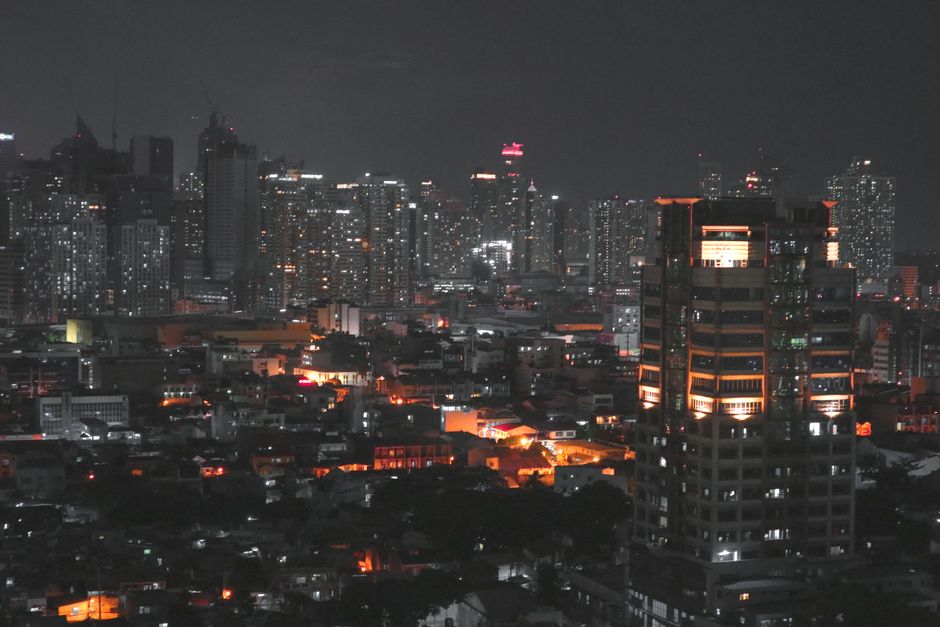
Office space in Bonifacio Global City is getting harder to find and more expensive to hold. Vacancy rates in BGC's Grade A commercial towers dropped to roughly 8.2 percent in the second quarter of 2026 — the lowest since before the pandemic — as business process outsourcing firms and a new wave of fintech startups competed for floors along 32nd Street and Fifth Avenue. That compression is already pushing asking rents toward ₱1,200 per square metre per month in premium buildings, a figure that would have seemed aggressive as recently as 18 months ago.
The timing matters because global headwinds are real. Europe's energy stress, Iran's political transition following the supreme leader's death, and war-driven disruptions in Eastern Europe are all tightening the supply chains and investor risk appetites that feed foreign direct investment into the Philippines. Local businesses cannot control those forces, but they can get ahead of the domestic cost curve before the third quarter accelerates it further.
The Labour Market Is Not Waiting for Anyone
Hiring is getting harder across Metro Manila. The Philippine Statistics Authority's May 2026 Labour Force Survey put the national unemployment rate at 4.1 percent, but underemployment — the figure that captures workers who want more hours or better-paying work — remained elevated at around 12.6 percent. That apparent contradiction tells a specific story: there are bodies in the workforce, but employers looking for mid-level skilled workers in IT, logistics, and financial services are bidding against each other. Starting salaries for junior software developers in Ortigas Center have climbed past ₱35,000 a month at several recruitment agencies along ADB Avenue, up roughly 15 percent from the same period last year.
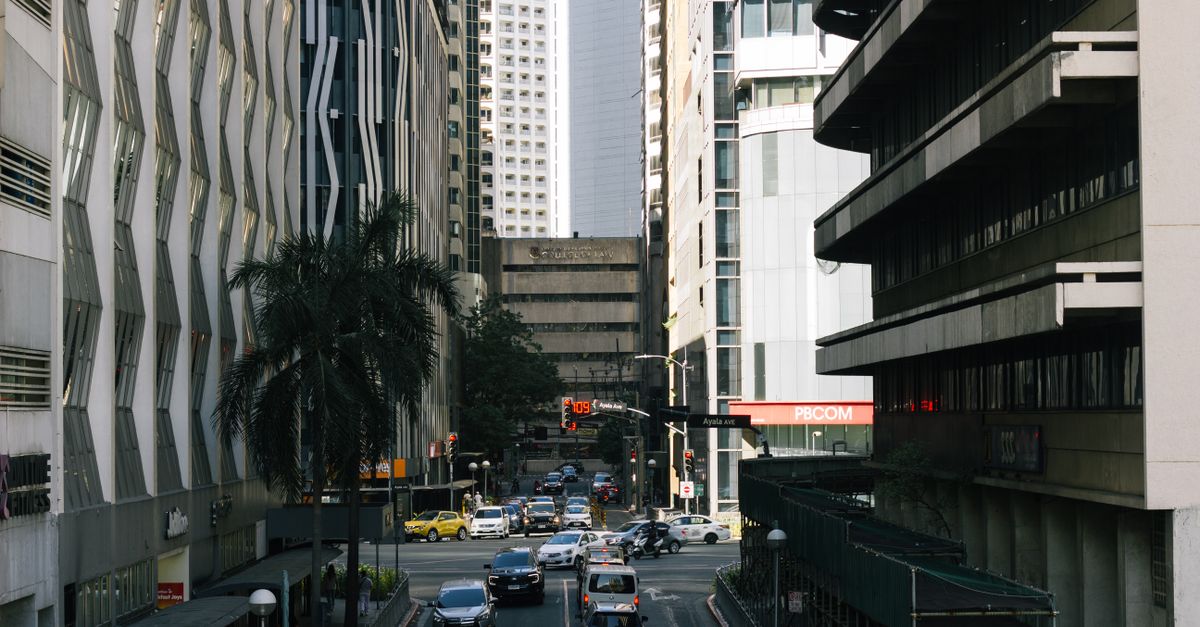
The Makati Central Business District is seeing a parallel squeeze. Several property managers along Ayala Avenue report that co-working operators — including one that recently took an entire floor in the Philam Life Tower — are locking in longer leases rather than rolling month-to-month, a sign that tenants expect rates to go higher, not lower. For small-to-medium enterprises that have been surviving on flexible arrangements, the window for locking in competitive terms is narrowing fast.
The Board of Investments approved 47 new enterprise registrations in Metro Manila during the first five months of 2026, with a combined projected investment value of ₱18.3 billion. Manufacturing and logistics anchored the list, though digital services were not far behind. That pipeline means more competition for industrial space in the Caloocan-Valenzuela corridor, where warehouse asking rates along MacArthur Highway have already risen about 10 percent year-on-year.
What Owners and Managers Should Do Before September
Lease renewals should be the first priority. Any commercial lease expiring before December 2026 deserves a hard look now rather than in October. Landlords in BGC and Makati are not yet offering the pandemic-era concessions that kept many businesses afloat in 2021 and 2022, and the trajectory does not suggest those deals are coming back.
Workforce planning is the second front. Companies that rely on the Quezon City talent pool — particularly those near the Eastwood City cyberhub — should be stress-testing their compensation structures against market benchmarks rather than waiting for resignations to force their hand. The Department of Labor and Employment's regional wage board has signalled it will review the Metro Manila minimum wage again before year-end, and an upward adjustment looks likely given recent inflation prints running near 4.8 percent.
Finally, businesses with exposure to import-dependent supply chains should keep a close eye on the peso, which has been trading between ₱57 and ₱59 to the dollar through most of June. The Bangko Sentral ng Pilipinas has held its benchmark rate at 5.75 percent, but another adjustment before Q4 cannot be ruled out if external pressures intensify. Hedging conversations with your commercial bank are worth having now, not after the rate moves.