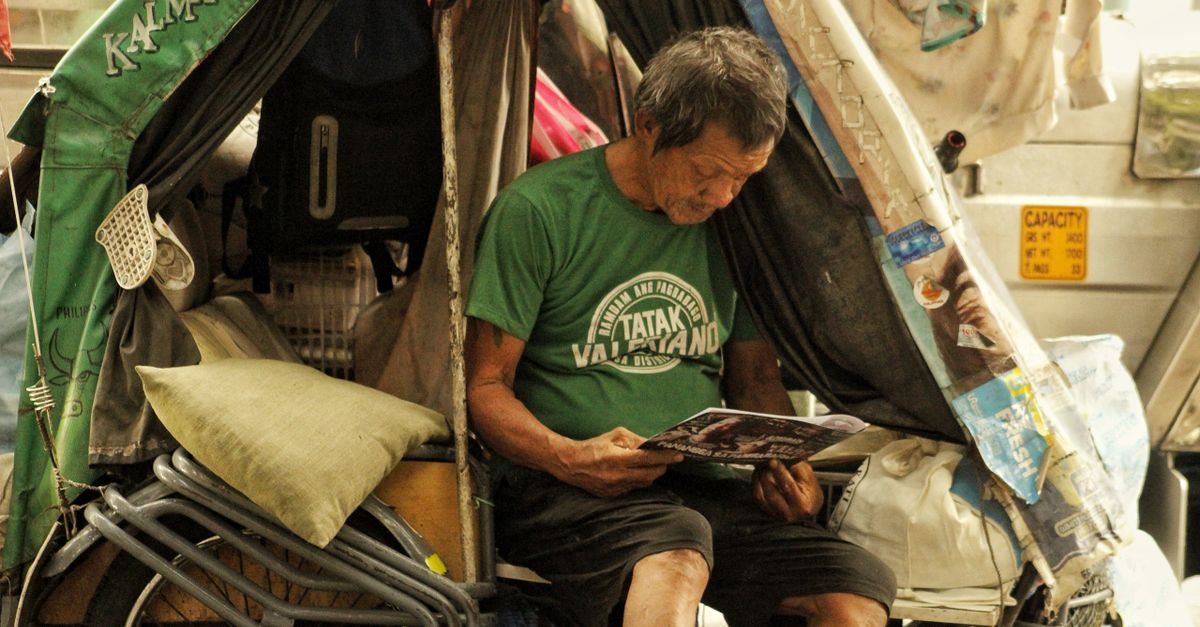
The floodwaters reached chest height inside Marilou Reyes's home on Kagitingan Street in Tondo last Tuesday night. She had stacked her children's school bags on the highest shelf she owns. By morning, the bags were soaked anyway. Her family is one of an estimated 47,000 households in Manila's coastal and low-lying barangays that experienced flooding during the first significant monsoon surge of the 2026 wet season, which hit the metro between June 27 and July 1.
This matters now because the Philippine Atmospheric, Geophysical and Astronomical Services Administration — PAGASA — has already flagged July and August 2026 as potentially wetter than average, citing a developing La Niña pattern. City officials have spent the past year promoting the Manila Flood Control Master Plan, a Php 3.2-billion framework coordinated through the Department of Public Works and Highways and the Manila City Engineering Office. Residents in the districts most likely to drown in any given storm say they have yet to see the plan translate into anything they can measure.
Esteros, Promises and Waiting
Walk from Divisoria Market south toward the Pasig River and you pass half a dozen esteros — narrow tidal channels — that the city has pledged to dredge and rehabilitate under the Estero de Vitas and Estero de Paco improvement projects. In Barangay 105 near Recto Avenue, community leader Nanding Cruz — who declined to give his full name for this report — said his sitio has been waiting since 2024 for work crews to clear the concrete debris blocking a secondary drainage channel. The blockage, he said, is the main reason three adjoining streets hold water for up to 36 hours after a heavy downpour. The Manila Drainage Improvement Project, funded partly through a Japan International Cooperation Agency loan signed in 2022, covers the area on paper. On the ground, residents say the machinery has not arrived.
Over in Baseco Compound, tucked between the South Harbor and the Manila Bay reclamation zone, the situation reads differently but hurts the same. Baseco's roughly 70,000 residents sit on land that sits barely one metre above mean sea level. The compound is serviced by the Baseco Health Center and receives periodic assistance from the Gawad Kalinga network, but formal flood infrastructure is thin. A 36-year-old vendor who sells fried fish along the compound's main road said she now budgets Php 500 per flood event to replace charcoal and cooking supplies ruined by standing water. Last week, she replaced supplies twice in five days.
What the Numbers Show — and Don't Show
The city's 2025 Hazard and Risk Assessment, released by the Manila Disaster Risk Reduction and Management Office in March, identified 48 of Manila's 897 barangays as high-priority flood zones. That list includes portions of Tondo, Binondo, San Nicolas, Sampaloc, and the Port Area. The DRRMO pre-positioned evacuation supplies at seven sites, including Gat Andres Bonifacio Memorial School on Moriones Street and the Arroceros Forest Park gymnasium. Roughly 3,100 residents used those evacuation centres during last week's surge. That number is far below previous peaks — the Typhoon Quinta response in October 2020 displaced more than 25,000 — but officials caution against reading the lower figure as improvement. Many families, they say, simply refuse to leave.
Fear of losing property to theft keeps people inside flooded homes. A community health worker assigned to Barangay 649 in the Ermita district said she spends the first hours of any flood event persuading elderly residents to move, not because they cannot — but because they won't.
The Manila City Council is scheduled to take up a budget reallocation proposal on July 15 that would redirect Php 180 million from a postponed road-widening project along España Boulevard toward emergency drainage repairs in the 10 highest-risk barangays. Community groups affiliated with Kadamay, the urban poor alliance active across Metro Manila, have announced they will send delegations to the council session. For residents on Kagitingan Street and inside Baseco Compound, that date is the next thing worth marking on the calendar.
This article was compiled by AI and screened before publishing. See our editorial standards.