Politics
Manila Mandates Vertical Gardens on All Public Buildings by 2028
Manila’s proposed ordinance would mandate vegetation on all new city-owned structures over three storeys, a rule already in force in Quezon City and Makati.
How we reported this
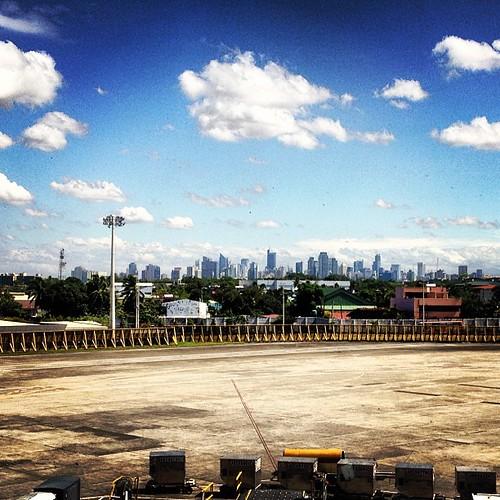
The Manila City Council is expected to vote this month on a measure that would require all new public buildings taller than three storeys to install green roofs or vertical gardens, following similar policies already adopted in neighbouring Quezon City and Makati. Ordinance 2026-87, filed by the committee on environmental protection, would apply to schools, hospitals and government offices under city jurisdiction, with compliance deadlines ranging from 2027 for new construction to 2028 for retrofits on existing buildings.
Council records show the bill has passed first reading and is scheduled for committee hearings on July 24. If enacted, Manila would become the third Metro Manila city to enforce a binding green-roof rule. Quezon City’s Green Building Ordinance took effect in 2023, requiring vegetated roofs on all new commercial and government projects above 5,000 square metres. Makati followed in 2025 with a narrower mandate focused on city-owned parking structures and public markets.
For residents of Manila’s densely built 6th and 5th districts, where summer heat indexes have exceeded 42°C for the past three years, the policy’s backers say the result would be measurably cooler streets. An impact assessment attached to the bill, prepared by the University of the Philippines’ Institute of Environmental Science and Meteorology, projects that a network of green roofs covering 15 percent of city-owned building surfaces could reduce local ambient temperatures by 1.5°C to 2°C during peak heat months. The report also estimates stormwater runoff could drop by up to 30 percent in the areas immediately surrounding retrofitted structures.
How Manila’s proposal differs from its neighbours
Unlike the Quezon City and Makati ordinances, Manila’s bill includes a dedicated incentive fund of Php 50 million per year for private building owners who voluntarily install green roofs before the 2028 deadline. The fund would be drawn from the city’s annual disaster-risk reduction budget, according to the bill’s fiscal note, and would cover up to 40 percent of installation costs for commercial and residential properties within flood-prone barangays such as Baseco and Tondo. The Quezon City ordinance offers tax rebates only after the first year of verified maintenance, a requirement some developers have called too slow.
Manila’s building inventory presents a distinct challenge. The city has 48 public schools, 12 health centres and 36 other government-owned structures that would fall under the mandate. By contrast, Quezon City’s law covers roughly 20 buildings, mostly new commercial towers, while Makati’s applies to about 15 structures. City engineer’s office data from April shows that 11 of Manila’s school buildings were built before 1980 and would require structural assessments before any green roof can be added. The ordinance sets aside Php 5 million for those evaluations.
What happens next
The committee on appropriations will review the funding mechanism during the July 24 hearing. City budget director Elena Cortes told reporters Wednesday that the Php 50 million annual incentive pool would be drawn from unprogrammed funds in the 2027 appropriations, pending Council approval. Environment committee chair Councilor Manuel Rivera said the hearing would also hear from building owners in Tondo who have expressed concern that the retrofit timeline is too short for older structures.
If the bill passes third reading by September, the city expects to release the first compliance guidelines by November. The Department of Public Works and Highways, which oversees national buildings within city limits, has not taken a formal position on the ordinance. Local advocacy group Green Manila said it will submit a petition urging the Council to extend the incentive fund to rental tenants who install balcony gardens, a change not currently in the bill.