Politics
House Bill 4782 on Social Services Funding Advances Through Committee: What It Means for Manila's Poorest Families
A pending legislative measure to expand cash assistance and healthcare coverage for low-income households in Metro Manila has cleared its first committee vote, with implementation expected by next fiscal year.
How we reported this
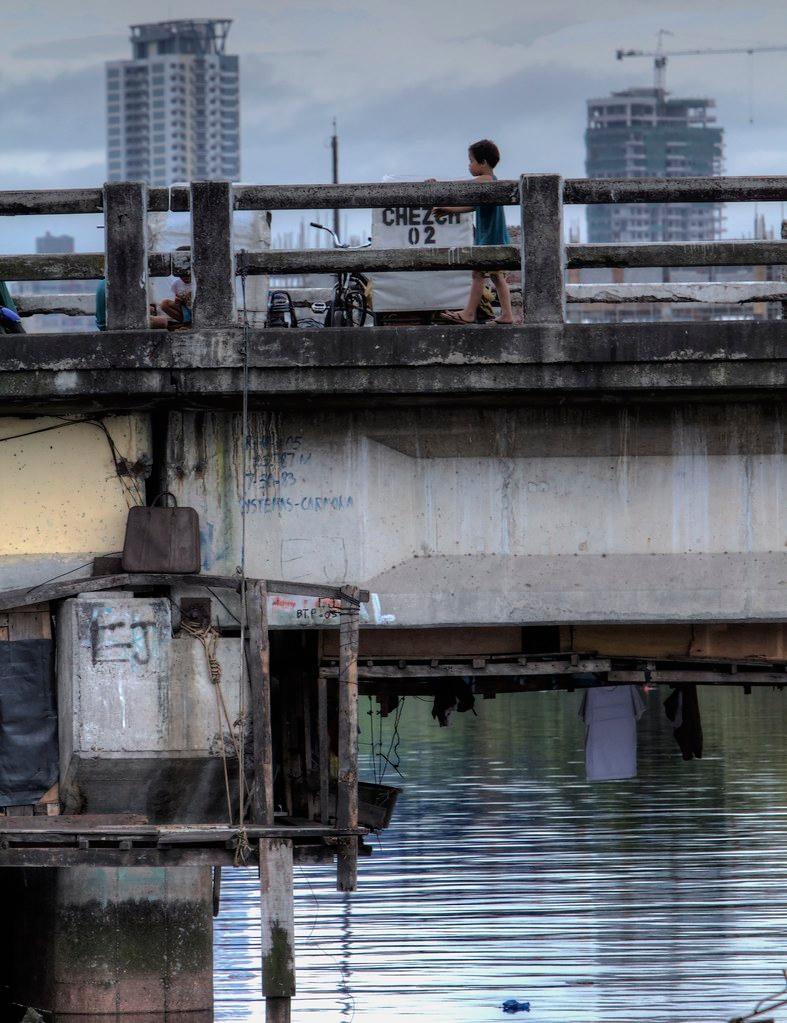
House Bill 4782, which proposes to increase monthly cash assistance for families below the poverty line and expand healthcare benefits in the National Capital Region, moved past the House Ways and Means Committee on July 8 with a revised allocation of 2.3 billion pesos. The bill now heads to the plenary floor, where lawmakers expect a vote within the next two weeks. For Manila residents currently receiving assistance through the Conditional Cash Transfer program, the legislation would raise monthly benefits from 500 pesos to 750 pesos per child under age 18, and extend coverage to families earning up to 35,000 pesos monthly, a threshold increase of 5,000 pesos from the current cap.
The timing of HB 4782 reflects mounting pressure on the city's social services infrastructure. The Philippine Statistics Authority reported in March 2026 that poverty incidence in Metro Manila reached 9.8 percent, the highest in five years. Community health workers and local government units have documented rising demand for emergency food assistance, with food banks in Barangay 630, District 1 reporting a 34 percent increase in monthly visitors since January. Local advocates and poverty researchers note that while national economic growth has continued, wage stagnation in informal sectors-which employ roughly 42 percent of Manila's workforce-has left families unable to absorb recent increases in transportation and utilities costs.
Who Gets Help Under the New Framework
Under the current system, Manila's Department of Social Welfare and Development office processes applications from families earning less than 30,000 pesos monthly. The agency typically serves 187,000 households in the city, with monthly disbursements processed through rural and microfinance banks. HB 4782 would expand eligibility to cover an estimated 42,000 additional Manila households, according to budget notes attached to the committee version. A family of four currently receiving 2,000 pesos monthly through CCT would see benefits rise to 3,000 pesos. The legislation also mandates that beneficiary families with members aged 60 or older receive an additional 300-peso monthly supplement, a provision that DSWD officials say targets approximately 28,000 Manila seniors across the expanded pool.
The bill includes provisions for healthcare coverage expansion tied to the PhilHealth system. Families enrolled under the cash assistance program would automatically receive coverage under PhilHealth's Sponsored Program at no premium cost, eliminating out-of-pocket registration fees that currently run 300 to 500 pesos annually per household. Manila's city health office has identified 156 barangay health stations that would need additional staffing to process the expected increase in clinic visits, with budget allocations for 38 additional nurses and administrative positions proposed under the bill's implementation plan.
Implementation Timeline and Local Readiness
If approved by the House and Senate and signed into law by August 15, the Department of Social Welfare and Development expects a phased rollout beginning October 1, 2026, with full implementation targeted for January 2027. The agency says it will use existing registration systems and bank partnerships already established through the current CCT program, though officials have flagged training requirements for personnel handling the expanded income verification process. The Local Government Unit of Manila's DSWD office will receive 8.7 million pesos in implementation support funds, according to the budget allocation, to cover system upgrades and staff overtime during the transition period.
The bill faces no major opposition in legislative committees, though several lawmakers have requested cost-benefit analyses to measure program effectiveness. The House Appropriations Committee has already requested quarterly progress reports on enrollment rates, fund disbursement timeliness, and healthcare utilization among new beneficiaries. For Manila residents, the next procedural step comes when the measure reaches the full House chamber, where amendments are still possible before a final vote.