property
The Rent-Vesting Strategy Explained for Manila’s Housing Market
Young professionals are turning to rent-vesting as a workaround for Manila’s pricey homeownership market.
How we reported this
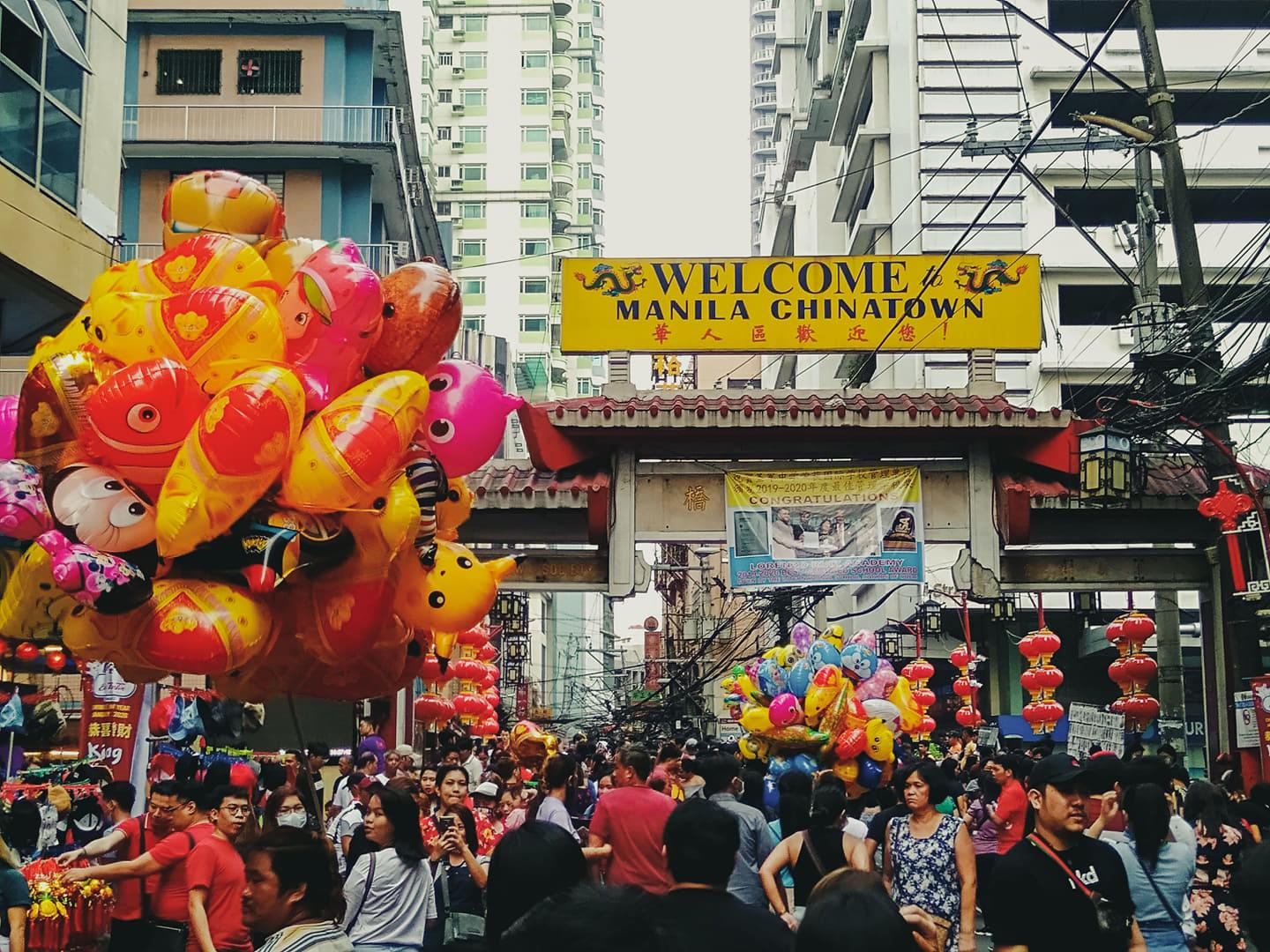
With property prices in central Manila soaring above P320,000 per square metre in some districts, a growing number of would-be buyers are embracing ‘rent-vesting’-renting where they want to live while investing in property elsewhere.
The strategy has hit a critical moment in 2026. As new condo launches in Bonifacio Global City (BGC) and Makati carry record-high presale tags, homeownership dreams are drifting out of reach for many locals with stable jobs in the city’s major business hubs. The rent-vesting trend offers an alternative to the traditional own-and-occupy route, especially for those unwilling to compromise on location or lifestyle.
Renting in the City, Investing in the Fringe
For tech analyst Clarisse (who asked not to use her real name), the numbers simply didn’t add up in the neighbourhoods she works and socialises in. "A studio unit in Salcedo Village rents for P26,000 per month, but buying the same unit outright could cost P8 million or more," she explained. Instead, she chose to rent her Makati apartment while buying a pre-selling unit in Panay Avenue, Quezon City, where an 18-square-metre studio is currently priced around P2.7 million, according to listings from DMCI Homes and Robinsons Land.
The approach lets urbanites split their priorities: proximity and amenities in their rental, with long-term investment potential in up-and-coming areas such as Mandaluyong’s Plainview or Fort Bonifacio’s northern fringes. Developers like SMDC and Ayala Land note a rising share of buyers ticking the ‘owner-investor’ box rather than ‘owner-occupier’ on new contracts-anecdotal evidence of rent-vesting’s quiet growth.
Numbers Behind the Shift
According to Leechiu Property Consultants, Metro Manila’s average residential sale price hit P260,000 per square metre in Q2 2026, up 11% from last year. By contrast, average rent for a one-bedroom condo in Ortigas Center falls between P15,000 and P20,000 monthly, depending on the building and amenities. The gap is wider in BGC, where monthly rents push P40,000 for new builds, but required down payments, transfer taxes, and bank mortgage hurdles now bar many young families from buying in.
Rent-vestors bet that acquiring property in emerging corridors-such as Sta. Mesa, Cubao, or even as far as Alabang-will secure long-term gains while freeing up cash flow to rent close to workplaces in Makati or BGC. Others snap up units under government-sponsored programs like Pag-IBIG’s Affordable Housing Program, even if they have no intention of ever living there, using projected rental yields or appreciation as the main draw.
With no major falls in urban property prices forecast in 2026, experts say the rent-vesting trade-off will remain attractive for Manila’s upwardly mobile residents. Financial planners caution that buyers must factor in transaction costs, management hassles, and the risk of holding property in less-established markets. But for those priced out of Manila’s trophy districts, rent-vesting may be the clearest pathway into the city’s overheated property ladder.
This article is general information only and is not personal financial or investment advice. Consider your own circumstances and seek licensed professional advice before making financial decisions.