Property
Caloocan Surges Ahead as the Affordable Suburb Outperforming All Its Neighbours
Property values in Caloocan City are rising faster than anywhere else in Metro Manila, making it the metro’s hottest new investment pocket.
3 min read
Property
Property values in Caloocan City are rising faster than anywhere else in Metro Manila, making it the metro’s hottest new investment pocket.
3 min read
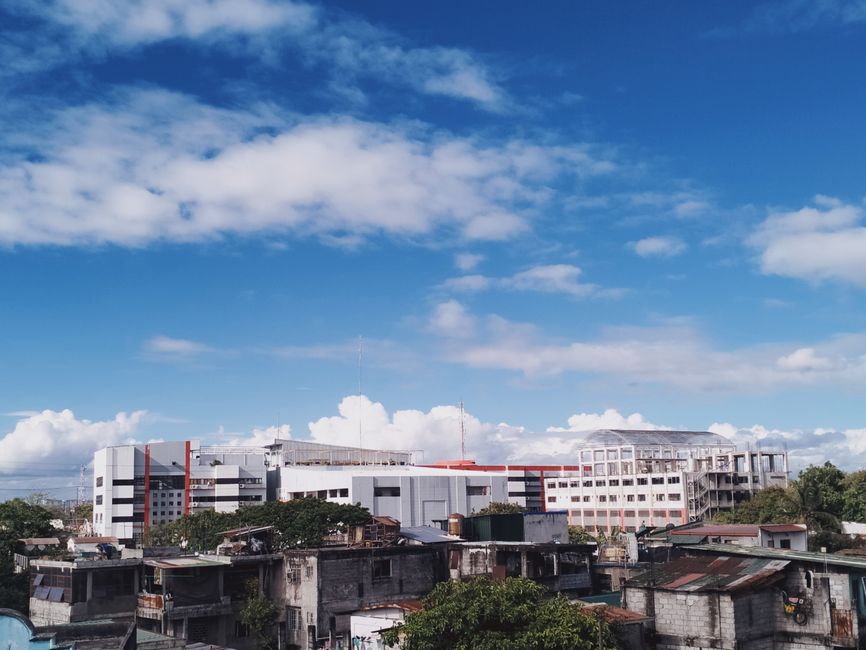
Caloocan City has taken the lead in Metro Manila’s property market, recording a 14% year-on-year increase in residential land values—the sharpest climb among the metro’s traditionally affordable suburbs. The city’s southern districts, long overlooked by investors in favour of Quezon City and Manila proper, are now outpacing their more famous neighbours in both demand and returns.
The surge in Caloocan’s property value comes at a sensitive moment. As Manila’s housing crunch worsens and central district rents routinely push past ₱40,000 a month for a two-bedroom unit on Taft Avenue, more families and young professionals are being priced out of the old city core. Affordable pockets, once dismissed as too far or too rough, now look increasingly attractive. Brokers from the Philippine Real Estate Board cite Caloocan’s quick access to MRT-3 and LRT-1, as well as recent road upgrades on Samson Road and the construction around Bagong Barrio, as key drivers redirecting investor interest toward the northwestern fringe of the capital.
Development has shifted gears in local hotspots. On Rizal Avenue Extension, near Monumento Circle, new mid-rise condos such as North Residences have filled up months before turnover. Over in Grace Park East, previously dominated by low-slung bungalows and pawnshops, modern townhouse complexes are selling for under ₱6 million—a stark contrast with Mandaluyong’s average townhouse price of ₱10 million. Even SM City Grand Central’s 2023 expansion is drawing regional chains to open their first branches, further fueling demand in the area.
According to the latest Urban Land Institute report, Caloocan saw average residential land prices reach ₱78,000 per square meter this June, compared to ₱68,500 in June 2025—a jump that outpaces Valenzuela’s 5% and Malabon’s stagnant 1.8%. Vacancy rates in new projects on 10th Avenue and nearby Maypajo have plunged to their lowest since before the pandemic. Data from the Housing and Land Use Regulatory Board shows permit applications for new private developments shot up by 31% in the first half of 2026, led by projects like Noble Homes Caloocan and the ongoing redevelopment of the former Ever Gotesco Grand Central site.
“Many buyers used to overlook Caloocan in favour of Pasig or Marikina, but those cities no longer offer any discount,” one local agent explained on condition of anonymity. "Most first-time investors are going north instead." New highways, such as the North Luzon Expressway Harbor Link, are also shaving travel times to Makati and Ortigas, helping shift perceptions about distance.
The upturn in Caloocan is already changing the rhythm of open-house weekends, with viewings at full capacity and units rarely lingering on the market. For would-be buyers, experts suggest moving quickly, as developers anticipate another 8-10% rise in the district’s average prices before the end of 2026. Those watching the rental market should note that monthly rates in Grace Park and Camarin now average ₱18,500, up from ₱15,000 last year, but still offer a far better deal than Pasay or Mandaluyong.
Industry sources expect more large-scale announcements after Barangay and Sangguniang Kabataan elections in October, especially in the residential strip around Letre Road. For property watchers with a moderate budget, Caloocan currently stands as Metro Manila’s best bet for both affordability and rapid appreciation—a combination that’s growing harder to find anywhere else in the capital.
Property

Property
Property
Property
About this article
Published by The Daily Manila
Spread the word
Daily brief
Free, in your inbox before 7am. Weekdays.
The Daily Network — local news across Australia