Property
Rental Price Gap Widens Between Metro Manila and Regional Cities
A surge in lease rates in the capital is driving more young professionals and families to explore options in areas like Cebu and Davao.
3 min read
Property
A surge in lease rates in the capital is driving more young professionals and families to explore options in areas like Cebu and Davao.
3 min read
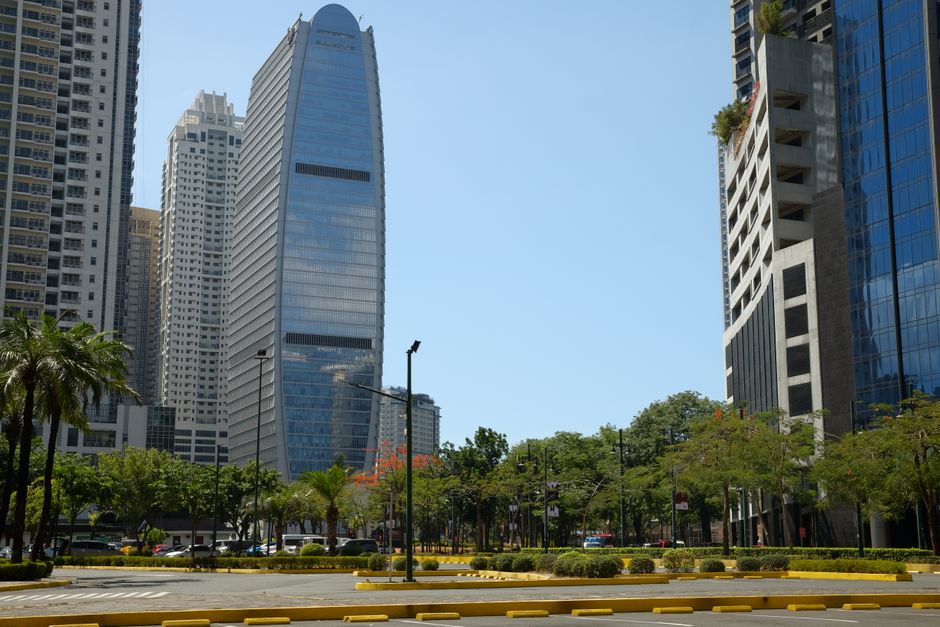
Metro Manila renters are now paying, on average, more than double the monthly lease rates found in regional urban centers like Cebu City and Davao. New figures collated by property consultancy Leechiu Property Consultants show a marked divergence in affordability between the capital and fast-growing cities in the south, intensifying the capital exodus among budget-conscious tenants.
The timing is crucial. Metro Manila's population continues to swell, pushing vacancy rates in districts like Bonifacio Global City (BGC) and Ortigas Center to their lowest point since 2019. The Philippine Statistics Authority estimates that over 600,000 individuals moved to NCR from the provinces last year alone, a migration trend accelerated by new office openings in Makati and Pasay. For many migrants, and even longtime Manileños, spiraling rents are now prompting a fresh look at regional options.
In the heart of Taguig, a one-bedroom at Uptown Ritz along 36th Street in BGC now commands as much as PHP 60,000 per month according to online listings surveyed by The Daily Manila last week—a record high for the district. In contrast, Cubao in Quezon City, although still within the urban core, offers similar spaces for just under PHP 20,000. Even secondary business districts like Ortigas, home to groups like JG Summit Holdings and Asian Development Bank, have seen median condo rents hit PHP 35,000 monthly, up more than 18% year-on-year. Meanwhile, much wealthier enclaves such as Rockwell Center in Makati and Legazpi Village report historically low vacancy, further pushing landlords to hike rates at renewal.
By comparison, a survey of Cebu City’s IT Park found median one-bedroom rents at PHP 19,000, and in Davao’s Abreeza district, listings average PHP 14,500, according to Lamudi’s June 2026 market report. These regional business hubs are sweetening the deal with newer amenities and public transport upgrades. Punongbayan & Araullo, an advisory firm, notes that that "work-from-anywhere" arrangements for BPOs and tech startups are broadening regional appeal. In particular, 27% of Metro Manila-based renters surveyed by YouthLab PH said they were considering a move south in the next 12 months, citing rising living costs as the main trigger.
The numbers bear out the trend. According to Colliers Philippines’ Q2 2026 Residential Market Monitor, the average rental yield in Fort Bonifacio fell to 4.6%—as prices jumped faster than income for would-be tenants—while Cebu and Davao retained yields above 5.5%. Median unit rents in Metro Manila hit PHP 28,700 by April, whereas Cebu and Davao remained under PHP 18,000. That gulf, paired with the 12% jump in utility and association fees in the capital since 2025, is stretching wage earners thin. Buying is little easier: the median selling price for a Makati studio recently crossed PHP 7.9 million, while a comparable Cebu City property lists for PHP 3.8 million, per data from Santos Knight Frank.
Property analysts say middle-income workers and young families should take a hard look at regional prospects for both renting and buying. With new international schools and hospitals sprouting in areas like Cebu Business Park and Davao’s Lanang district, the former "big city advantage" is narrowing. Experts recommend locking in fixed-term leases now, and for those considering ownership, exploring PAG-IBIG Fund financing or region-based bank promos—often easier to secure in expanding cities than in Manila.
The Capital Region’s squeeze may not ease soon. For now, price-conscious residents have more options than ever beyond the Manila city limits. And their numbers are only expected to grow.
About this article
Published by The Daily Manila
Spread the word
Daily brief
Free, in your inbox before 7am. Weekdays.
The Daily Network — local news across Australia


