Property
Is Renting Actually Cheaper Than Buying Right Now in Manila?
Rising mortgage rates and soaring property prices are turning the cost gap between renting and buying on its head for Metro Manila residents.
3 min read
Property
Rising mortgage rates and soaring property prices are turning the cost gap between renting and buying on its head for Metro Manila residents.
3 min read
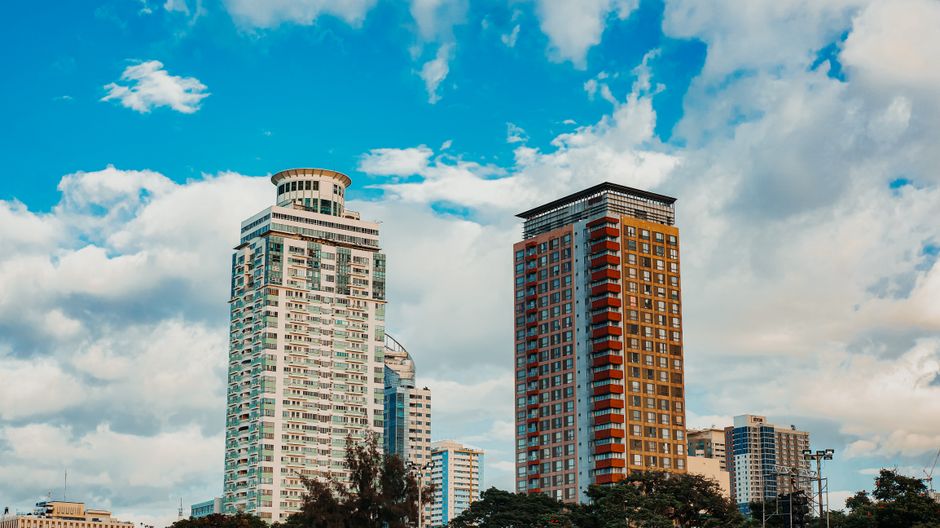
Sticker shock is hitting Manila’s would-be homebuyers harder than ever: in 2026, the monthly cost to buy a mid-range condo in Makati is now eclipsing comparable rents by an average of 35 percent. For many city dwellers, long held assumptions about the benefits of homeownership are colliding with tough new math.
Why does this matter now? Across the metro, rising interest rates and steep property values are forcing professionals, young families, and even older couples to re-evaluate one of Manila’s defining financial crossroads: rent or buy. With a ban on foreign homebuyers in force since 2025, and local banks tightening financing on new mortgages, residents are finding that purchasing—long regarded as the path to security—has rarely looked less attainable.
"Two years ago, we saw more first-time buyers in areas like Bonifacio Global City (BGC) and Ortigas," said a leasing manager from a Mandaluyong-based brokerage. "Now, a lot of our former buyers are applying to rent units instead." New launches from developers like Ayala Land along Ayala Avenue and Federal Land in Binondo still attract attention, but fewer can afford to sign on the dotted line. In Sampaloc, condo towers near University Belt remain crowded with tenants, while sales agents struggle to close deals.
Here's the data: As of July 2026, the average sales price for a 40-square-meter condominium in Makati CBD stands at PHP 9 million. With at least 20 percent down (PHP 1.8 million), a buyer would still face a monthly mortgage of roughly PHP 68,000, based on prevailing bank rates around 9.3 percent. In contrast, a comparable unit can be rented for PHP 45,000 to PHP 50,000 per month, even in central locations. That’s a gap of over PHP 200,000 each year, not counting association dues, property tax, and major repairs—costs renters sidestep entirely.
In Quezon City, too, rent for a two-bedroom unit in Eastwood City stays under PHP 38,000. Buying the same property would require similar outlays for down payment and financing, with monthly obligations far exceeding present rental values. Meanwhile, Pag-IBIG Fund's affordable housing loans are accessible mostly for units below PHP 3 million—a tier increasingly rare along EDSA or Taft Avenue, where Metro Manila’s younger workers typically live.
Seasonal discounting sometimes narrows the spread, but real estate professionals across the city point to a simple trend: rents are rising, but mortgage payments are rising faster. The Philippine Statistics Authority last month reported that Metro Manila home prices climbed by 11.2 percent year-on-year, outpacing average wage growth and pushing ownership dreams further out of reach for many.
For residents weighing a move, the practical advice is to do the math before taking the plunge. Short-term renters—those unsure about their next career step or worried by headlines about job markets or regional instability—are still finding great flexibility by avoiding long-term debts. The savings on repairs, community dues, and ongoing taxes make renting attractive for many in Mandaluyong, Malate, and Fort Bonifacio.
But experts caution that rent itself is creeping up, especially in hotspots near Greenbelt, BGC High Street, and universities along Katipunan Avenue. If you hold ambitions for homeownership, now is the time to build up savings or explore lower-cost neighborhoods. Still, in 2026’s Manila, the cold arithmetic shows that—at least for now—renting remains the more affordable option for most young professionals and growing families alike.
Property
Property
Property
Property
About this article
Published by The Daily Manila
Spread the word
Daily brief
Free, in your inbox before 7am. Weekdays.
The Daily Network — local news across Australia