Property
How Much Rent Is Too Much? The 30% Rule in Practice
With rents rising across Manila, many households are struggling to keep housing expenses within traditional limits.
3 min read
Updated 45 min ago
Property
With rents rising across Manila, many households are struggling to keep housing expenses within traditional limits.
3 min read
Updated 45 min ago
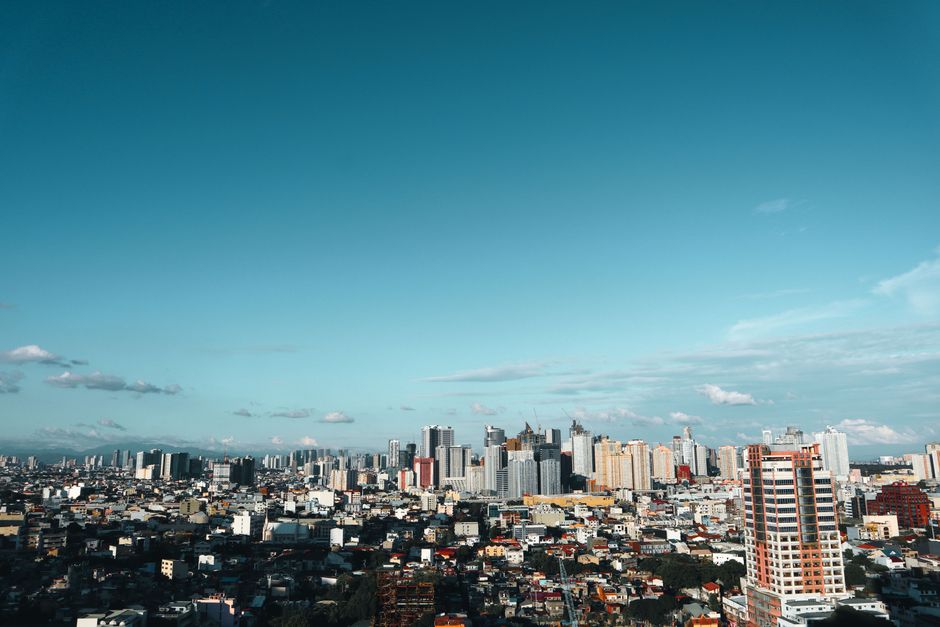
For young professionals in Quezon City or families eyeing a two-bedroom near Bonifacio Global City, the monthly question remains: can I really afford my rent? According to data from property consultancy Leechiu Property Consultants, average monthly rents in prime Makati condos have hit PHP 80,000 for a two-bedroom unit this year—a steep climb from pre-pandemic rates. As a result, more tenants are breaching the so-called "30% rule", which holds that rent should not exceed 30% of gross household income.
This affordability gauge, long considered a standard by banks and landlords, is under renewed scrutiny as Manila’s rental market tightens and wages remain sluggish. Inflation, stagnant starting salaries, and sustained property demand are stoking fresh anxieties for both renters and first-time buyers in the metro.
Sample the market along España Boulevard in Sampaloc, and you’ll find young professionals sharing small bedsits at PHP 10,000 to PHP 15,000 a month. Yet for those relocating to Bonifacio Global City or Ortigas, basic studio rents start at PHP 28,000 to PHP 40,000 monthly, according to listings on Lamudi Philippines as of July 2026. For a new nurse at St. Luke’s Medical Center making PHP 35,000 a month, even the cheapest BGC units would eat up well over half her net income. In Barangay Bel-Air, long seen as relatively affordable, working couples now find themselves competing with expatriates and remote workers for limited inventory.
Major property developers—like DMCI Homes and Ayala Land—acknowledge the squeeze on renters. Their latest mid-market offerings have seen waiting lists double since last year, while informal housing around the university belt continues to surge with new tenants ahead of the academic year. The Social Housing Finance Corporation reported a 12% jump in micro-studio rental demand since January.
The oft-cited 30% guideline traces back to U.S. federal policy, but Filipino lenders and real estate agents have long used it as a benchmark. For a household earning PHP 70,000 monthly, this amounts to a PHP 21,000 housing budget—below the median lease for even modestly sized units in districts like Legazpi Village, where square meter rates exceed PHP 1,000 per month. In May 2026, Colliers Philippines reported that Metro Manila condo rents soared by an average of 8.7% over 12 months. For many, that means cutting corners elsewhere or sharing cramped spaces to stay within "affortable" limits.
The result: More would-be homeowners are shelving plans to buy entirely. Pag-IBIG’s data shows that new loan applications in Manila for homes under PHP 2 million dropped 15% year-on-year amid down payment and qualifying income hurdles.
Analysts expect rental demand to remain robust through the year as residential construction in key areas like Taft Avenue and North Edsa lags behind population growth. Would-be renters are warned to use the 30% income rule as an upper ceiling, not an automatic target. Checking for buildings with inclusive utilities, exploring areas just outside central Makati or Mandaluyong, or negotiating longer leases can help tenants keep monthly costs in check. With property prices showing little sign of easing, clear-headed calculations—and a willingness to look beyond the city’s hotspots—may be the only way to avoid being swallowed by rent.
About this article
Published by The Daily Manila
Spread the word
Daily brief
Free, in your inbox before 7am. Weekdays.
The Daily Network — local news across Australia


