Technology
Manila's Tech Boom: Startups Replace Call Centers as Global Hub
From BGC's startup corridors to the fintech labs of Ortigas, the Philippine capital is rewriting its reputation as something far more than an outsourcing hub.
How we reported this
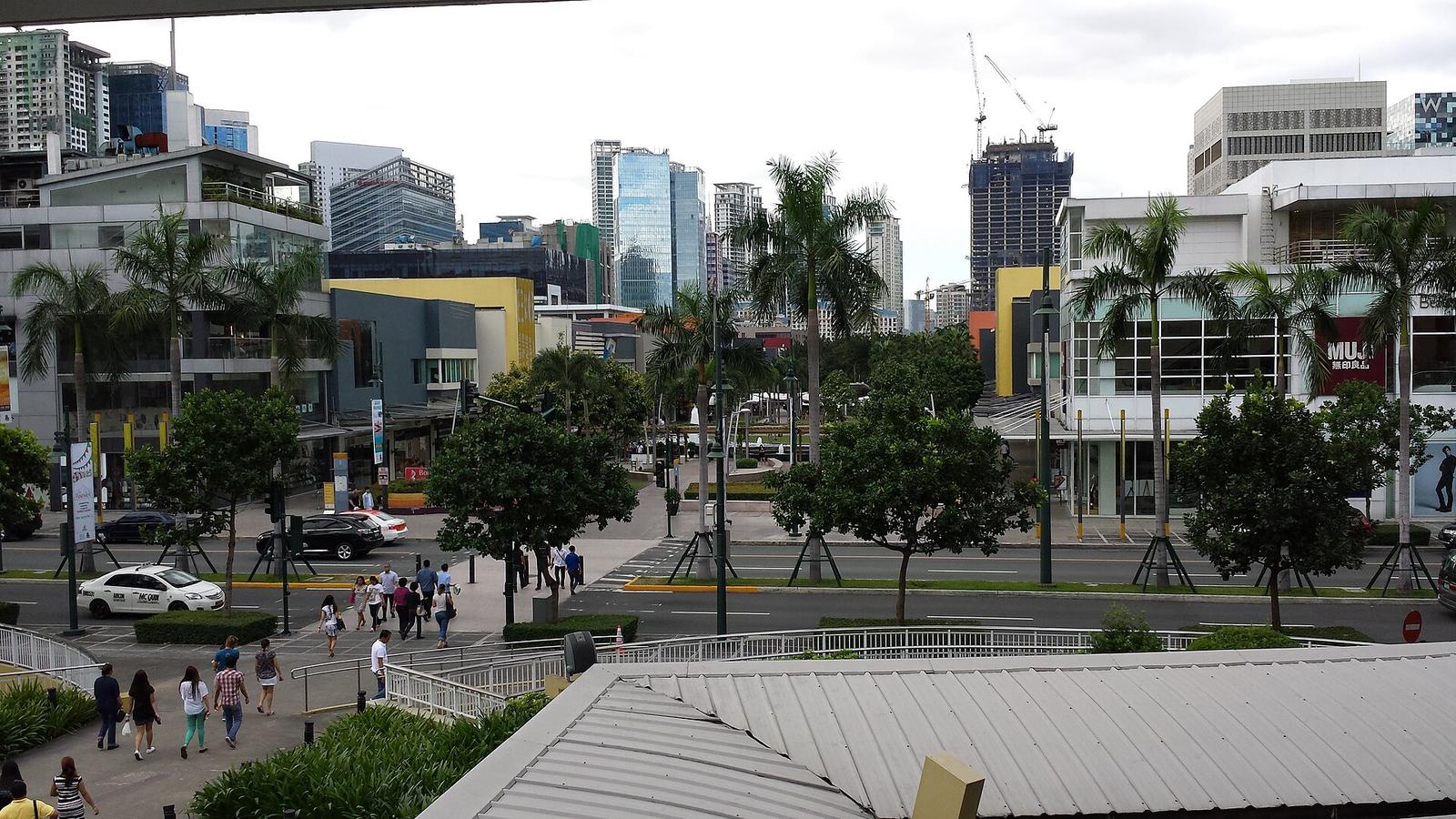
Manila now ranks among the top 15 startup ecosystems in Southeast Asia by active venture capital deal flow, according to a mid-year report released last month by Startup Genome. That position, unthinkable a decade ago, when the city was almost exclusively associated with business process outsourcing, reflects a structural shift that has been building since at least 2022 and is now producing real exits, real investment rounds, and real international attention.
The timing matters. With geopolitical instability tightening capital flows into Eastern Europe and parts of the Middle East, Southeast Asian markets have absorbed a notable portion of investor reallocation. Manila, with its English-proficient talent pool of roughly 115 million people and a median age of 24, sits in an unusually strong position to capture that redirection. The Philippine government's Department of Information and Communications Technology logged $1.3 billion in disclosed tech investment into Metro Manila in the first five months of 2026 alone, a 38 percent increase over the same period last year.
The Corridors Where It's Happening
Walk along 32nd Street in Bonifacio Global City on any weekday morning and the evidence is tangible: co-working floors above the Bonifacio High Street commercial strip are operating at near-capacity, with waiting lists at spaces run by KMC Solutions and Acceler8. The Ortigas Center district, long the domain of established conglomerates and BPO towers, has seen the ground floors of several Emerald Avenue buildings convert into what local operators are calling "innovation floors", essentially accelerator-lite spaces where early-stage companies can rent a desk and access mentorship networks for around ₱8,000 to ₱12,000 a month.
The IdeaSpace Foundation, operating out of its facility near the University of the Philippines Diliman in Quezon City, has graduated 47 startups since relaunching its accelerator program in January 2025. Several alumni have since raised seed rounds from Singapore-based funds. QBO Innovation Hub in Makati City, which runs under a public-private partnership with the DICT, reported in May that it had facilitated connections between 23 Manila-based startups and foreign investors in the first quarter of 2026, double the quarterly figure from 2024.
What Actually Differentiates Manila
Three things keep coming up when investors and founders describe what sets Manila apart from regional competitors like Jakarta or Ho Chi Minh City. First, the fintech penetration story: GCash, operated by Mynt, now claims over 94 million registered users nationwide, and the dense infrastructure of mobile money acceptance across Metro Manila means founders can build financial products that reach scale almost immediately. A payments startup in Taguig can test live with real customers in a way that simply isn't replicable in markets with lower mobile wallet adoption.
Second, the talent pipeline. The Commission on Higher Education counted 87 colleges and universities within Metro Manila's boundaries as of its 2025 inventory. Computer science and information technology programs collectively graduate approximately 100,000 students per year across the national capital region. Developer salaries, while rising sharply, senior engineers in BGC now commonly command ₱120,000 to ₱180,000 a month, remain below Singapore and Kuala Lumpur equivalents, giving startups a cost structure that allows longer runways on the same capital.
Third, and perhaps least discussed internationally, is the remittance-economy effect. Filipinos abroad send roughly $36 billion home annually, and a significant portion flows through digital channels that Manila-based fintechs have built or are competing to serve. That creates a built-in, recurring use case that funds from New York to Tokyo are increasingly treating as a defensible moat rather than a niche market.
The next six months will stress-test that optimism. The Bangko Sentral ng Pilipinas is expected to finalize updated virtual asset service provider regulations by September 2026, and the outcome will determine how aggressively crypto-adjacent startups can operate. Meanwhile, DICT Secretary Ivan John Uy has signaled that the government's AI Roadmap, announced in February, will include a Manila-based national compute facility, with a site decision expected before the end of the third quarter. Founders watching that process say the facility's location, whether in Clark, Laguna Technopark, or somewhere within Metro Manila itself, will influence where the next wave of AI companies chooses to base its operations.