wellness
Sweat, Light Pollution and Jeepney Noise: How Manila's Environment Is Wrecking Your Sleep
Doctors and sleep researchers say the Philippine capital's chronic heat, glaring artificial light, and relentless street noise are combining to deny millions of residents the restorative rest their bodies need.
How we reported this
Manila's average nighttime temperature hit 29.4 degrees Celsius last June, and for the roughly 1.8 million people living in dense barangays from Tondo to Sampaloc, that number is not just a weather statistic. It is the reason they are staring at the ceiling at 2 a.m.
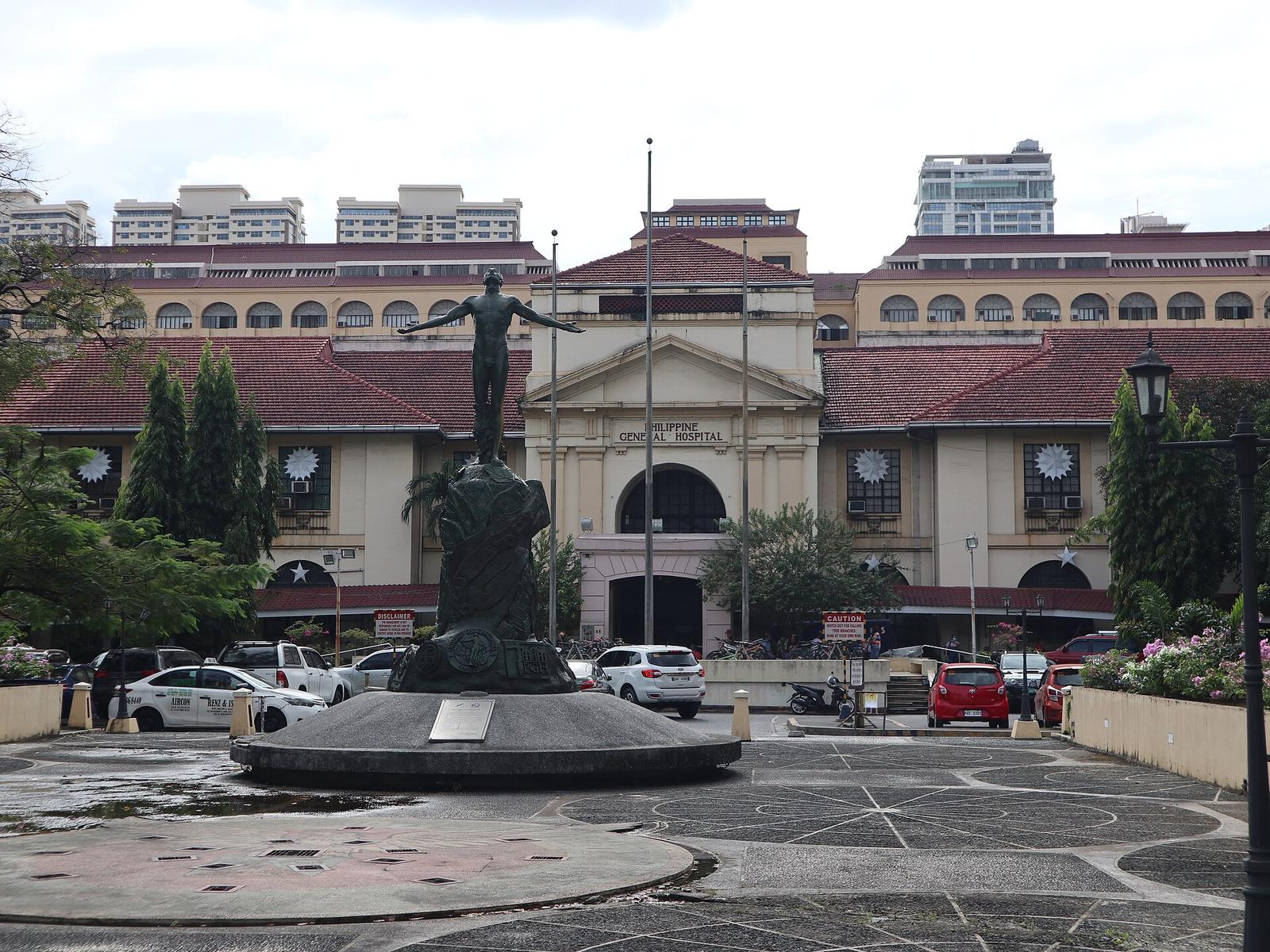
Sleep science has long established that the human body needs core temperature to drop by roughly one to two degrees Celsius to trigger and sustain deep sleep. In a city where air-conditioning is expensive, brownouts remain a seasonal reality, and nighttime humidity regularly exceeds 80 percent, that cooling process is being systematically interrupted. The result is shorter sleep duration, more fragmented rest, and rising rates of daytime fatigue that physicians at institutions like the Philippine General Hospital and the St. Luke's Medical Center in Quezon City are increasingly flagging as a public health concern.
Hormonal research published earlier this year reinforced what sleep clinicians have argued for years: melatonin, the hormone that signals the brain to prepare for sleep, is acutely sensitive to both light exposure and body temperature. Strip away darkness and cool air, and melatonin production slows. Manila manages to attack both conditions simultaneously.
Three Enemies in One City
Walk through Ermita or along Roxas Boulevard after 10 p.m. and the assault is immediate. LED billboard arrays, many running continuously through the night to capture foot traffic from the adjacent tourist belt, throw enough blue-spectrum light to suppress melatonin for hours. The Malate strip compounds this with bar signage and convenience store frontage that stays lit at full intensity until dawn. Researchers at the University of the Philippines Manila's College of Public Health have been tracking light pollution exposure in Metro Manila districts since 2023, and their preliminary mapping shows that residents within 200 meters of major commercial corridors are exposed to ambient light levels exceeding 10 lux throughout the night, a threshold above which measurable melatonin suppression occurs in most adults.
Noise is the third variable, and in Manila it is omnipresent. A spot measurement taken at the corner of España Boulevard and Lacson Avenue during a typical weeknight recorded ambient noise levels around 68 decibels between midnight and 1 a.m., well above the World Health Organization's recommended outdoor nighttime limit of 40 decibels. Jeepneys, motorcycle-for-hire apps, and the backup generators that rumble to life during load shedding all contribute. The WHO has linked chronic nighttime noise exposure above 55 decibels to increased risk of cardiovascular disease, independent of sleep disruption.
Budget is a genuine barrier. A basic inverter-type window air-conditioning unit costs between ₱18,000 and ₱28,000 at SM Appliance stores across Metro Manila, a purchase that is simply out of reach for households earning at or near the NCR minimum wage of ₱645 per day as of June 2026. Cooling, in other words, is not a wellness choice for a large portion of the population, it is a luxury rationed by income.
What You Can Actually Do Tonight
Sleep specialists advise starting with what can be controlled without spending money. Blackout curtains, available at Divisoria's textile rows for as little as ₱150 per meter, block street light effectively. A damp sheet or a battery-powered fan positioned to draw outside air across the body mimics evaporative cooling, reducing perceived skin temperature even when room temperature stays high. Earplugs rated at 33-decibel noise reduction cost under ₱80 at most Mercury Drug branches and cut environmental noise to WHO-safe levels for most urban sleepers.
The Philippine Sleep Society, which holds its next public seminar at the Manila Hotel on September 12, 2026, recommends that Manileños dim all screens and overhead lighting by 9 p.m. to give melatonin production a two-hour head start before a midnight bedtime. The same guidance advises against vigorous exercise after 8 p.m., which elevates core body temperature precisely when the body is trying to cool down.
The broader fix, quieter streets, regulated signage, affordable cooling, belongs to city planners and the Marcos administration's ongoing Metro Manila development agenda. Until those changes arrive, Manileños are essentially running an individual experiment in sleep survival, one sweltering, over-lit, noisy night at a time. Consult a licensed physician or sleep specialist if disrupted sleep is affecting your daily function.