wellness
Manila's Meditation Scene Helps Beginners Master Mindfulness Today
Forget the incense and the monastery, Manila's growing meditation scene makes it easier than ever to start sitting still.
Listen in English · 4 min
How we reported this
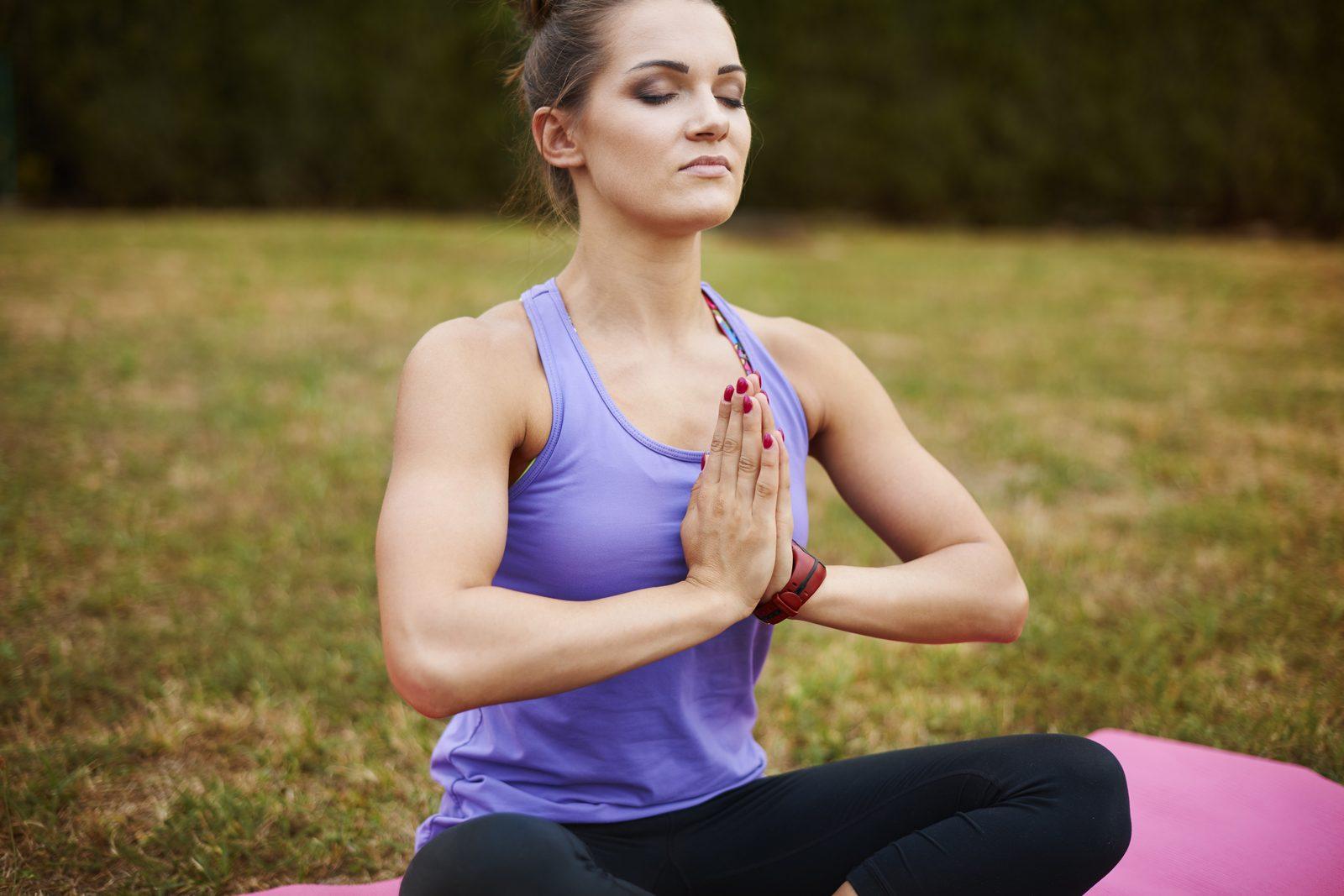
More Manileños are unrolling mats and closing their eyes than at any point in recent memory. Wellness studios in Makati and Quezon City report inquiry volumes for beginner meditation classes up roughly 40 percent compared to pre-pandemic 2019 figures, driven partly by younger professionals citing burnout and partly by a broader cultural shift toward preventive mental health care. The question for most newcomers isn't whether to start, it's where.
The timing makes sense. The Philippine Mental Health Law, Republic Act 11036, turned seven years old this June, and its slow implementation has pushed many Filipinos toward self-managed stress tools while waiting for institutional support to catch up. Meditation sits at the intersection of accessible, free or low-cost, and increasingly legitimate, the World Health Organization flagged burnout as an occupational phenomenon back in 2019, and the conversation has only intensified since. In Metro Manila, where a one-way EDSA commute can still eat 90 minutes of a person's morning, the appeal of a 10-minute reset is not abstract.
Where to Begin Without Feeling Lost
Start smaller than you think you need to. Most meditation teachers working out of studios along Chino Roces Avenue in Makati recommend five minutes daily before attempting anything longer. The Ananda Marga Yoga and Meditation Center, which runs programs out of their Quezon City branch on Examiner Street, offers free introductory sessions every second Saturday morning, one of the few no-cost structured options inside Metro Manila. The Inner Peace Wellness Hub in BGC near 5th Avenue has drop-in guided meditation slots priced at ₱350 per session, making it accessible without requiring a monthly membership commitment.
Apps fill the gap on days when leaving the house isn't realistic. Insight Timer, which logged over 25 million registered users globally as of early 2026, has a substantial Filipino user base and hosts several Filipino-language guided meditations at no charge. For beginners, the app's structured 30-day introduction course does most of the conceptual heavy lifting, explaining the difference between focused-attention practice (fixing your mind on one object, often the breath) and open-monitoring practice (observing thoughts without latching on). Neither requires prior experience. Neither requires special equipment.
Posture matters less than consistency. You do not need a lotus position. Sitting upright on a dining chair with feet flat on the floor works fine. The San Lorenzo neighborhood in Makati has seen at least three small wellness collectives open since 2024 that specifically market chair-based and adaptive meditation formats, partly because their client base skews toward office workers coming straight from desks. The key mechanical goal is a straight spine, not to achieve some aesthetic ideal, but because slumping tends to promote drowsiness within minutes.
What the Evidence Actually Shows
A 2023 meta-analysis published in JAMA Internal Medicine, covering 47 clinical trials and more than 3,500 participants, found that mindfulness meditation programs produced moderate improvements in anxiety, depression, and pain compared to control groups. The effects were modest but consistent. Researchers noted that even brief daily sessions, eight weeks of programs averaging 30 minutes per day, produced measurable changes in self-reported stress levels. For a beginner in Manila juggling traffic, hybrid work schedules, and rising household costs, that ceiling is reachable.
Hormonal and neurological research adds context. Regular meditation practice has been associated with lower cortisol output in multiple studies, and cortisol, the body's primary stress hormone, tends to run high in urban populations with unpredictable daily schedules. Consult a licensed psychiatrist or psychologist at institutions like the Philippine General Hospital or the Mind You mental health platform before treating meditation as a clinical intervention for diagnosed conditions. For general stress management, though, the barrier to entry is just a quiet corner and five minutes before breakfast.
The practical path forward is this: pick one format, one time slot, and one week as your experiment. The Makati-based wellness collective Stillpoint PH runs a free seven-day email course for beginners, launched in January 2026, that guides new practitioners through daily five-minute sessions with written check-ins. That structure, low stakes, short duration, built-in accountability, matches what most behavioral researchers say works for habit formation. Manila's traffic and noise are not meditation's enemies. They are, for most beginners, the whole point.