Sweat Together, Stay Together: How Manila's Fitness Challenges Are Building Real Community
From Bonifacio Global City to the Marikina Riverbanks, group exercise events are pulling Manileños off their couches and into something bigger than a solo gym session.
This article was generated by AI from the linked public sources. The Daily Manila is independently owned and covers Manila news free from advertiser or sponsor influence. Read our editorial standards →
More than 4,000 residents signed up for the BGC Active July Challenge within its first 72 hours of registration last week, making it the fastest-filled community fitness event the Bonifacio Global City-based organiser Active Philippines has run since 2019. The four-week program, which kicked off July 1, assigns participants into neighborhood teams competing across running, cycling, and bodyweight circuits staged at Bonifacio High Street and the Mind Museum grounds every Saturday morning.
The timing matters. Metro Manila's public health offices have spent the past two years pushing what the Department of Health calls its Galaw Pilipinas physical activity framework, a national initiative that set a target of getting 30 percent of Filipino adults to meet the WHO's 150-minutes-per-week aerobic activity benchmark by 2027. Current national surveys put that figure closer to 18 percent. Community challenge formats, health advocates argue, close that gap faster than gym membership drives because the social accountability is built directly into the structure.
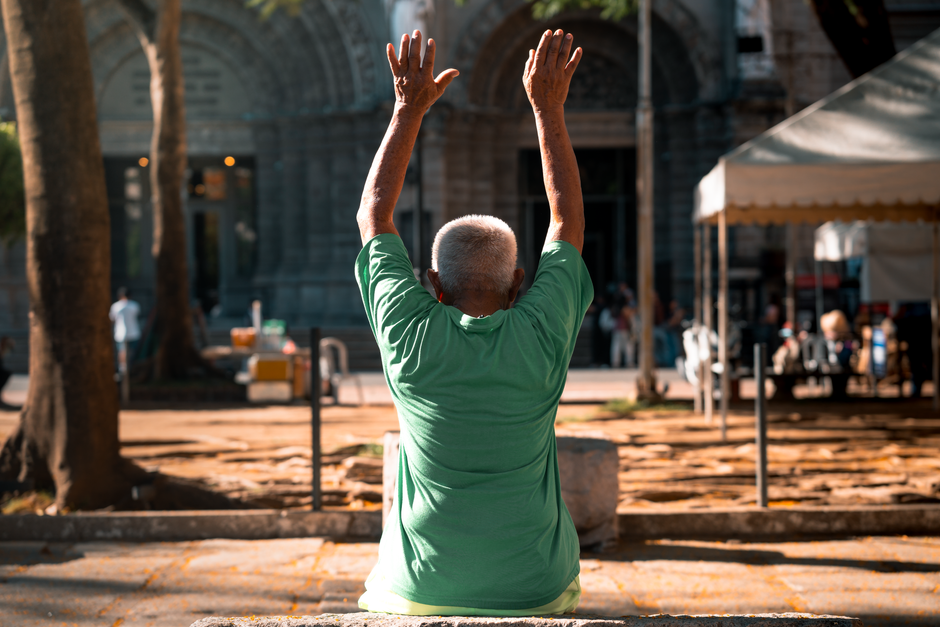
Manila has always had the raw material for outdoor fitness culture. Rizal Park's kilometer-long promenade fills with joggers by 5:30 a.m. on any given Tuesday. The Marikina Riverbanks Park hosts the Marikina River Run Series, now in its seventh year, which draws roughly 2,500 registered runners per quarterly race. But standalone runs and park jogs don't always translate into sustained habit. That's where the challenge model — with its team points, weekly leaderboards, and group check-ins — has started to show different results.
The Format That Actually Makes People Show Up
The mechanics are straightforward. Participants pay a registration fee — Active Philippines charges ₱350 for the BGC July Challenge, which covers a bib, a reusable water bottle, and access to a tracking app — and then log daily activity through their phones. Teams of eight earn collective points. Falling behind doesn't just affect your own streak; it affects seven other people who'll message you about it.
Quezon City has been running a variation of this model since March 2025 through its LGU-backed QC Fit City program, partnering with barangays in Commonwealth and Batasan Hills to organize monthly 5K walk-run events along Batasan Road. Participation fees are waived for residents who pre-register through the barangay hall, which has kept the demographic mix wider than private-sector events tend to manage. The city's Parks Development Office reported that three consecutive monthly events each drew over 1,800 participants, with roughly 40 percent identifying as first-time organized event participants.
The social dimension extends beyond the finish line. Several groups that met through the QC Fit City March event now train together three mornings a week at La Mesa Eco Park. That kind of organic formation — strangers becoming training partners — is what fitness researchers at the University of the Philippines Manila's College of Human Kinetics have flagged as the real public health dividend of community challenges. The school's 2024 paper on urban exercise adherence found that Filipinos who exercised with a named accountability partner were 63 percent more likely to maintain a routine past the three-month mark compared to solo exercisers.
How to Get Into the Next One
For anyone looking to join before the July slate fills, registration for the Pasig River Fitness Circuit — a six-station group workout held along the Pasig Rainforestation Park near Napindan — closes July 10. The fee is ₱250 and includes a finisher certificate. BGC Active's Saturday group rides along Lawton Avenue resume July 12 and are free for the first four weeks as part of a city mobility campaign.
The practical advice from veteran participants is consistent: register with someone you already know. The data backs this up — drop-out rates in team-format challenges run roughly half those of individual sign-ups, according to Active Philippines' own post-event surveys from 2025. Show up for the first session even if you're underprepared. The community tends to calibrate itself around whoever walks through the gate. Consult your doctor before joining if you have cardiovascular concerns or haven't exercised regularly in the past six months — most reputable Manila-based events include a medical disclaimer in their registration forms for exactly that reason.
Covering wellness in Manila. This article was generated by AI from the linked sources and was not reviewed by a human editor before publishing. See our editorial standards.