Wellness
Social Connection as Medicine: The Loneliness Epidemic
Manila's residents are finding community and support in local initiatives to combat the growing issue of loneliness and its impact on mental health.
3 min read
Wellness
Manila's residents are finding community and support in local initiatives to combat the growing issue of loneliness and its impact on mental health.
3 min read

One in five Filipinos experience loneliness, according to a recent survey by the Philippine Statistics Authority, highlighting the need for social connection as a vital component of mental health and stress management.
This issue matters now more than ever, as the World Health Organization has identified loneliness as a major public health concern, with effects comparable to smoking 15 cigarettes a day. In Manila, the fast-paced and often isolating urban environment can exacerbate feelings of loneliness, making it essential for residents to find ways to connect with others and build strong social support networks. The city's active wellness culture, with its numerous yoga studios, fitness centers, and healthy food options, is a great starting point, but more needs to be done to address the root causes of loneliness.
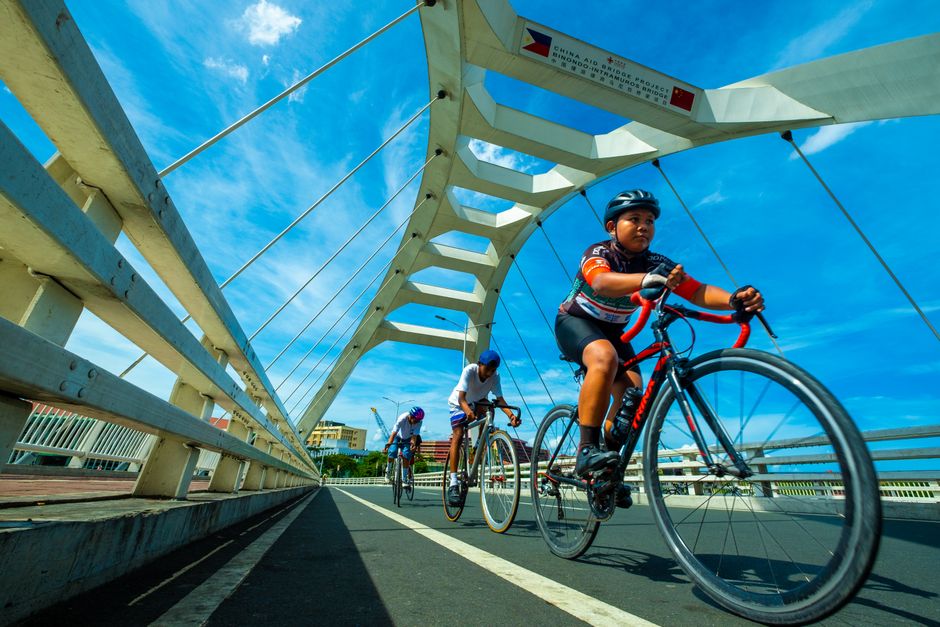
In Manila, organizations such as the Philippine Mental Health Association and the University of the Philippines' Psychosocial Support and Counseling Center are working to provide community-based initiatives and support groups to combat loneliness. For example, the Salcedo Saturday Market in Makati, which takes place every Saturday from 7am to 2pm, offers a space for people to connect with others while shopping for fresh produce and local goods. Similarly, the Manila Baywalk, a popular spot for walking and jogging, hosts regular community events, such as the monthly Baywalk Run, which brings people together and fosters a sense of community.
According to data from the Department of Health, the number of Filipinos experiencing depression and anxiety has increased by 20% over the past five years, with loneliness being a major contributing factor. A study by the Ateneo de Manila University found that 70% of respondents reported feeling lonely at least once a week, with 40% reporting feelings of loneliness daily. The cost of loneliness is not only emotional but also financial, with estimates suggesting that it costs the Philippine economy over PHP 100 billion annually in lost productivity and healthcare costs.
So, what can be done to address the loneliness epidemic in Manila? Firstly, residents can take advantage of the numerous community-based initiatives and support groups available. For example, the Barangay Health Workers' Association of the Philippines offers free counseling services and support groups in various barangays across the city. Additionally, residents can make an effort to connect with others in their daily lives, whether it's striking up a conversation with a neighbor or joining a local club or organization. By prioritizing social connection and community building, Manila's residents can work together to combat the loneliness epidemic and build a healthier, more supportive city for all.
About this article
Published by The Daily Manila
Spread the word
Daily brief
Free, in your inbox before 7am. Weekdays.
The Daily Network — local news across Australia