Business
Manila’s Business Pulse: Global Turbulence Shakes Local Jobs and Property Market
Currency swings, international politics, and extreme weather ripple through the capital’s enterprise and job scene.
3 min read
Updated 45 min ago
Business
Currency swings, international politics, and extreme weather ripple through the capital’s enterprise and job scene.
3 min read
Updated 45 min ago

Manila business owners are treading carefully this July as a mix of global uncertainty – from tumultuous elections to stifling heatwaves abroad – pushes up costs and squeezes local hiring and property deals.
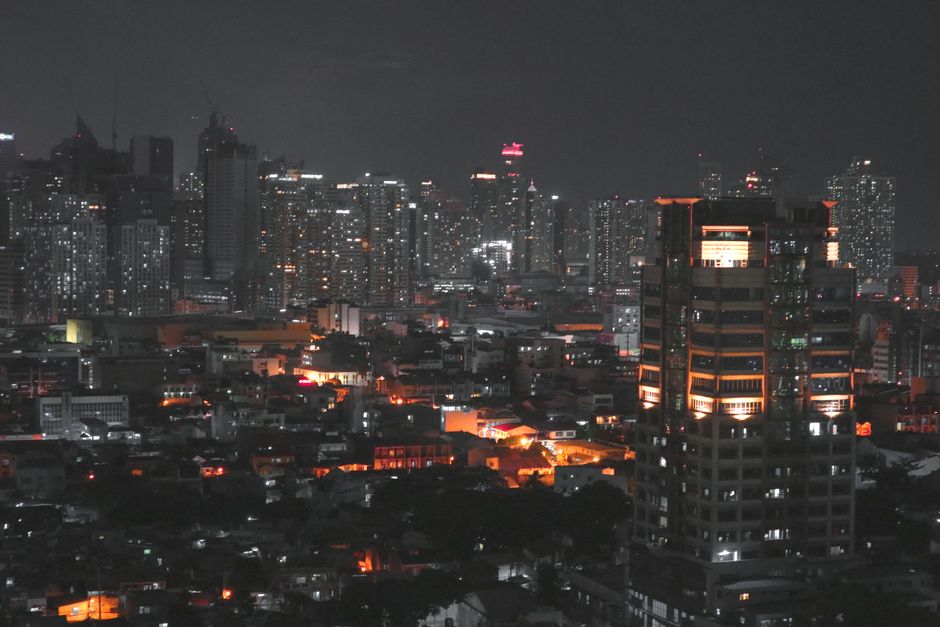
The capital’s business stability faces new layers of unpredictability just as inflation begins cooling. This time it’s largely due to forces beyond the city’s control: sharp peso depreciation linked to international jitters, rising global borrowing costs, and disruptions along global trade routes. July’s news cycle has been dominated by dramatic developments on three continents, feeding a cocktail of anxiety and opportunity among Manila’s office managers, BPO operators, and retail landlords.
The peso slumped close to ₱61.20 to the US dollar this week, its weakest since late 2022, according to data from Bangko Sentral ng Pilipinas. For tech-outsourcing houses clustered in Bonifacio Global City and Ortigas Center, that’s a double-edged sword: revenue from US clients swells in peso terms, but imported tech hardware for upgrades now comes with a much steeper bill. Globe Telecom, which operates much of its enterprise arm out of the Globe Tower on 32nd Street, confirmed it’s reviewing vendor contracts after costs rose by at least 12% for imported networking gear compared to last July. Meanwhile, the Robinsons Galleria office park has seen increased inquiries from multinational tenants who are keen to lock in current peso rates before further volatility.
Over in Binondo, importers of electronics and garments are reporting shipment delays and erratic pricing as luxury retailers in New York and London hesitate to place fresh orders. Direct sellers on Divisoria’s Juan Luna Street face smaller margins, as abrupt policy changes — such as new tariffs imposed on Chinese shipments, in response to ongoing geopolitical tensions — ripple down supply chains.
Despite these headwinds, the capital’s job market is holding steady, though pockets of pain are emerging. According to data from the Department of Labor and Employment, Metro Manila’s unemployment rate notched up slightly to 5.8% in June from 5.6% in May, driven mostly by softening hiring in logistics and retail. The property market, however, has proved resilient: Colliers Philippines tracked a 9.5% increase in average Taguig district office rents year-on-year in Q2 2026, with a Grade A desk in BGC now commanding ₱1,360 per square meter monthly.
However, small enterprise owners in bustling districts like Poblacion and San Juan say their margins have tightened. "Our rent went up again this month, but consumer traffic feels patchy," one bakery manager near Wilson Street said on Thursday. Local analysts at IBON Foundation point out that while remittances from overseas Filipino workers, especially from North America and the Middle East, rose to a record $3.45 billion in May, peso purchasing power has not fully kept pace with rising living costs.
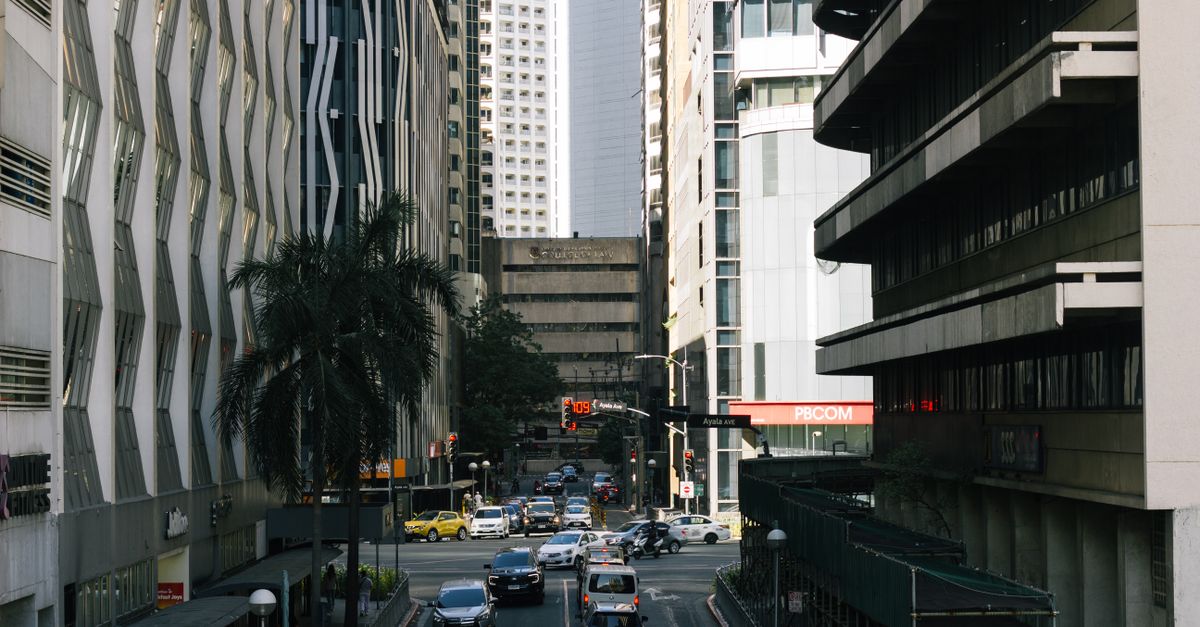
What comes next will hinge on how local businesses adapt to renewed global volatility. For those betting on property, developers are accelerating pre-lease offers along Ayala Avenue before further rate hikes. Job seekers should look to sectors with strong US or Japan-facing demand — such as healthcare BPOs and creative tech — and brace for shifting wage offers as currency changes bite. For Manila’s small and mid-sized business owners, staying sharp on contract terms and tracking forex trends may soon become as important as hustle and hard work.
About this article
Published by The Daily Manila
Spread the word
Daily brief
Free, in your inbox before 7am. Weekdays.
The Daily Network — local news across Australia