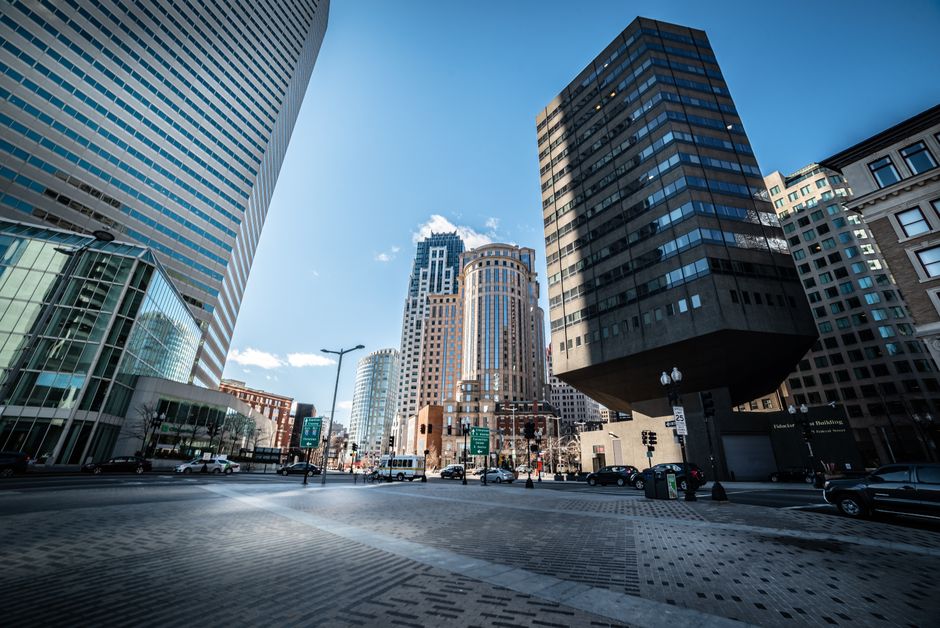
Manila's real estate listings problem has a name, and it's been hiding in plain sight for years: duplicate image flooding. The same photograph of a Pasay condominium unit appears under six different listings, three different prices, and two different supposed addresses. It is not a glitch. It is, for tens of thousands of Filipino property seekers, simply Tuesday.
The issue matters right now because the Housing and Land Use Regulatory Board — now folded into the Department of Human Settlements and Urban Development — has been tightening broker accreditation rules since the agency's restructuring under Republic Act 11201, signed in February 2019. Enforcement, however, lagged for years. What followed was a sprawl of informal listing activity that filled property portals with recycled images, ghost units, and phantom floor plans lifted wholesale from developer brochures.
From Quiapo to BGC: How the Duplicate Problem Grew
The geography of the problem tracks Manila's own development boom. During the mid-2010s, when condominium towers began rising along EDSA in Mandaluyong, along Roxas Boulevard in Pasay, and throughout the Bonifacio Global City grid in Taguig, developers released marketing packets to their accredited sellers — image sets, floor plan PDFs, virtual tour links. Those packets were never watermarked, rarely tracked, and almost always shared freely. A broker in Quiapo working a listing in Makati could download the same asset folder used by a broker in Cebu covering the same developer's sister project.
Property portals such as Lamudi Philippines and Property24 Philippines — both operating locally — built their early market share on volume, not verification. Getting a listing live required little more than an email address and a photo file. By 2022, industry observers were noting that on some portal search results pages for two-bedroom units in the Fort Bonifacio area, more than 40 percent of thumbnail images were either duplicated or misrepresenting the actual unit on offer. That figure circulated in real estate professional forums but was never officially published by any regulator.
The practical damage landed hardest on first-time buyers. A family from Sampaloc viewing a Tondo property online might travel to Divisoria on a Saturday, reference in hand, only to find the listed unit does not match the photos — because the photos belong to a show unit in a different building entirely. Brokers working in good faith faced equal frustration: their legitimate listings were buried under duplicate content from competitors recycling the same developer-supplied images.
What Regulators and Portals Are Now Doing About It
The pivot toward accountability has been slow but measurable. The Professional Regulation Commission, which licenses real estate brokers under the Real Estate Service Act of 2009, updated its continuing professional development requirements in 2024 to include digital listing ethics. The PRC's Board of Real Estate Service has increased its coordination with DHSUD on broker complaints, including complaints about deceptive online listings.
On the portal side, Lamudi Philippines announced in late 2025 that it was implementing an automated image-hash detection system designed to flag listings sharing identical photograph files. The system does not automatically remove duplicates — it escalates them for human review — but it represents the first structural attempt by a major Philippine property portal to address image duplication at scale.
The Philippine Association of Real Estate Boards, based in Makati, has been pushing for a centralized multiple listing service similar to those operating in Hong Kong and Singapore, where verified image libraries would be tied to specific property IDs. No launch date has been announced.
For renters and buyers navigating Manila's market today, the practical advice is unchanged and unsexy: verify every listing by cross-referencing the unit address on Google Street View, request a live video walkthrough before any site visit, and confirm your broker's PRC license number through the agency's online verification portal before signing anything. The digital mess took a decade to build. Cleaning it up will take longer than a portal update.