News
Manila by the Numbers: The Data Behind the City's Mid-Year Stories
From flood-prone barangays to bus fares and classroom shortages, the statistics shaping Manila in July 2026 tell a story the headlines alone can't.
4 min read
Updated 49 min ago
News
From flood-prone barangays to bus fares and classroom shortages, the statistics shaping Manila in July 2026 tell a story the headlines alone can't.
4 min read
Updated 49 min ago

Manila recorded 47 flood incidents across 23 barangays in June 2026 alone, according to figures released last week by the Manila Disaster Risk Reduction and Management Office — the highest single-month tally since Typhoon Quinta swept through in 2020. The data lands as the city heads into the peak of typhoon season with major drainage projects along Estero de Paco and the Pasig River corridor still running three to five months behind schedule.
The numbers matter because they arrive at a politically loaded moment. Mayor Honey Lacuna's office is pushing the Metropolitan Manila Development Authority to release the second tranche of a ₱2.1-billion flood-mitigation fund approved by Congress in February. Barangay officials in Pandacan and Sta. Ana — two of the most repeatedly inundated districts — say they have yet to see a centavo of it reach ground-level infrastructure work.
Transport data is equally stark. The Land Transportation Franchising and Regulatory Board confirmed this week that average daily ridership on the Light Rail Transit Line 1 hit 386,000 passengers in June, up 11 percent from the same month last year. The surge is partly seasonal — school enrollment season pulls families toward the Baclaran-to-Roosevelt corridor — but it also reflects continued frustration with jeepney consolidation. Roughly 1,200 traditional jeepney units that used to ply routes through Quiapo, Divisoria, and España Boulevard have been phased out since January under Phase 4 of the Public Utility Vehicle Modernization Program, forcing riders onto trains and modern PUV cooperatives that don't yet cover the same density of stops.
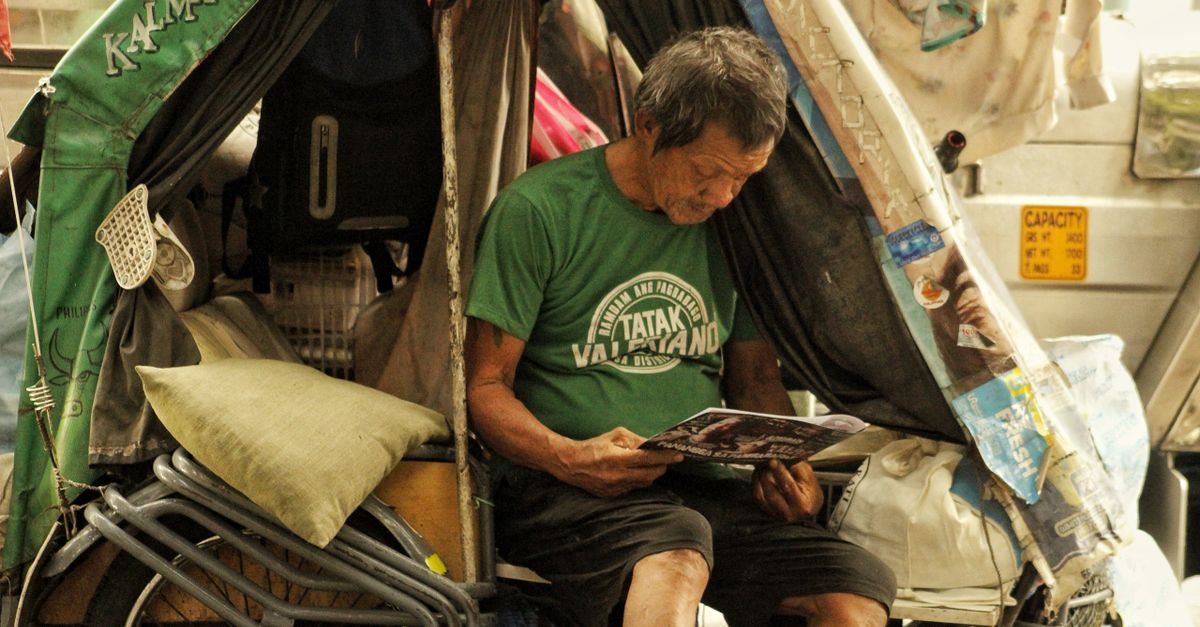
The average one-way commute cost for a worker traveling from Tondo to Makati has crept up to approximately ₱68 in combined fares, from ₱52 eighteen months ago. For the estimated 340,000 informal workers in Manila proper who earn between ₱500 and ₱700 a day, that gap is not abstract — it is lunch money.
The Department of Education's Manila Schools Division reported in June that 214 public school classrooms in the city are operating at more than double their intended capacity, with Diosdado Macapagal Elementary School in Malate and Manuel L. Quezon High School in Sampaloc appearing on the critical list. The division's enrollment count for School Year 2026–2027 stands at roughly 287,000 students across 72 public schools, against a target classroom ratio of 1:45 that the division acknowledges it cannot meet before August classes begin.
Urban displacement figures released by the National Housing Authority in late June show that 8,400 families in Manila are classified as living in danger zones — along esteros, under bridges, or within five meters of railway tracks. Resettlement offers to sites in Bulacan and Cavite have a take-up rate of only 23 percent, largely because relocated families lose access to their income sources back in the city. The Baseco Compound in Port Area, home to an estimated 12,000 families, remains the single largest informal settlement in the city and has appeared in no fewer than six consecutive annual NHA priority lists without a completed resettlement plan.
Air quality gives the picture one more coat of grime. Manila's average PM2.5 reading for June was 38.4 micrograms per cubic meter, according to the Environmental Management Bureau — nearly double the World Health Organization's annual guideline of 15 micrograms. The Tondo and Binondo monitoring stations recorded the worst readings on days when southwesterly winds pushed emissions from the Manila South Harbor toward the city interior.
City Hall's third-quarter budget hearings begin July 14 at the Manila City Council chambers on Arroceros Street. Residents, barangay captains, and transport cooperatives are all eligible to submit written testimony. For anyone tracking flood funds, classroom backlogs, or resettlement timelines, that hearing is the next concrete checkpoint — and the numbers above are exactly what officials will need to answer for.
About this article
Published by The Daily Manila
Spread the word
Daily brief
Free, in your inbox before 7am. Weekdays.
The Daily Network — local news across Australia