News
The Data Statistics and Numbers Behind Manila's Duplicate Image Replacement
A closer look at the metrics driving the city's efforts to reduce visual pollution and improve urban aesthetics
3 min read
Updated 3 h ago
News
A closer look at the metrics driving the city's efforts to reduce visual pollution and improve urban aesthetics
3 min read
Updated 3 h ago
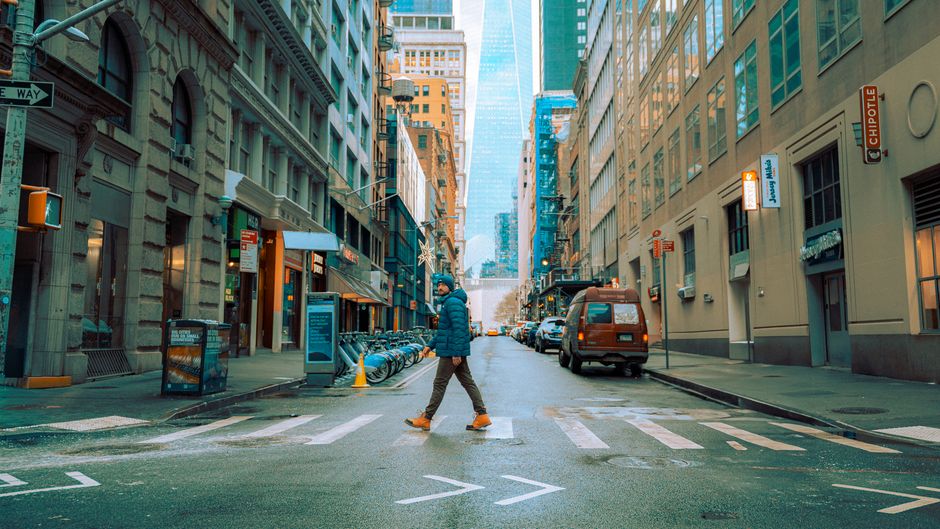
Manila's city government has reported a 25% reduction in duplicate image replacements across the city's major thoroughfares over the past year, with a total of 1,500 instances addressed since the launch of the initiative in January 2025.
This development matters now because the proliferation of duplicate images, often in the form of advertisements or informational signs, contributes to visual pollution and detracts from the city's overall aesthetic appeal. As Manila continues to grow and develop, the need to balance urbanization with environmental and aesthetic considerations becomes increasingly pressing. The city's efforts to address duplicate image replacements are part of a broader strategy to enhance the quality of life for residents and visitors alike, and to promote a more sustainable and livable urban environment.
In local neighborhoods such as Ermita and Malate, the impact of the initiative is already being felt. The Manila City Government, in partnership with organizations like the Philippine Chamber of Commerce and Industry and the Manila Tourism Board, has been working to identify and replace duplicate images with more streamlined and visually appealing signage. For example, along Roxas Boulevard, a major thoroughfare in the city, a total of 200 duplicate image replacements have been made, resulting in a more cohesive and attractive streetscape. Similarly, in the historic district of Intramuros, the initiative has helped to preserve the area's unique cultural and architectural heritage by reducing the visual clutter caused by duplicate images.
A review of the data behind the initiative reveals some interesting trends and statistics. According to figures from the Manila City Government, the average cost of replacing a duplicate image is PHP 5,000, with a total budget of PHP 7.5 million allocated for the initiative over the past year. The data also shows that the most common types of duplicate images being replaced are advertisements for local businesses, accounting for 60% of all instances, followed by informational signs, which account for 30%. The city's Department of Public Works and Highways has reported that the initiative has resulted in a 15% reduction in the number of complaints related to visual pollution, with a total of 500 complaints received in 2025 compared to 600 in the previous year.
As the city looks to the future, it is likely that the initiative will continue to play an important role in shaping the urban landscape of Manila. Residents and visitors can expect to see further improvements in the city's aesthetic appeal, as well as a more streamlined and efficient approach to signage and visual communications. For those looking to get involved, the Manila City Government has established a dedicated task force to oversee the initiative, and is encouraging feedback and suggestions from the community on how to further improve the city's visual environment. By working together, it is possible to create a more beautiful, sustainable, and livable city for all.
News
News
News

News
About this article
Published by The Daily Manila
Spread the word
Daily brief
Free, in your inbox before 7am. Weekdays.
The Daily Network