Where Buying Now Beats Renting: Manila Suburbs Flip the Affordability Script
New data shows key suburban Barangays in Quezon City and Las Piñas now favor homebuyers over renters, as sharp rent hikes distort the city’s housing market.
This article was generated by AI from the linked public sources. The Daily Manila is independently owned and covers Manila news free from advertiser or sponsor influence. Read our editorial standards →
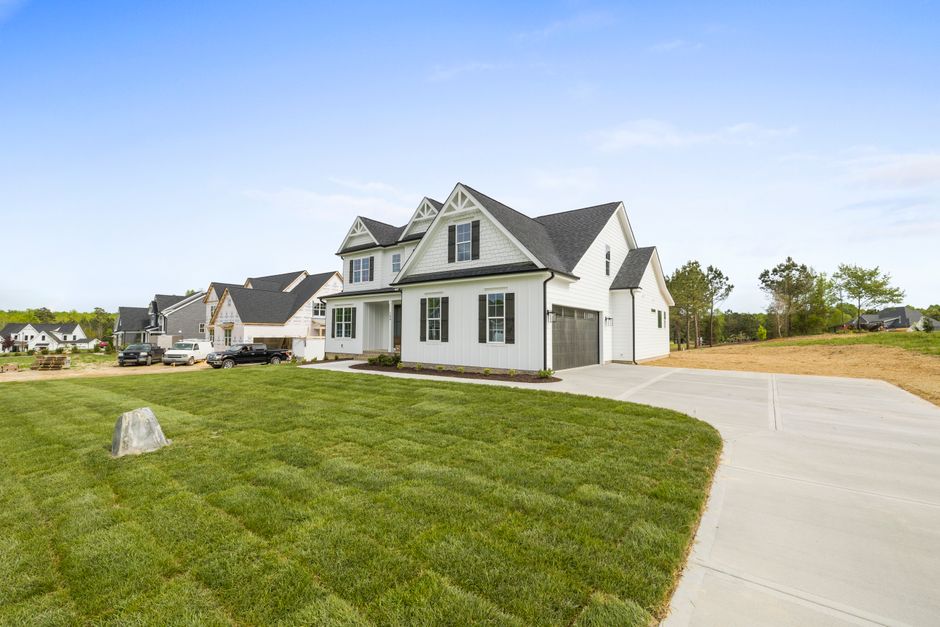
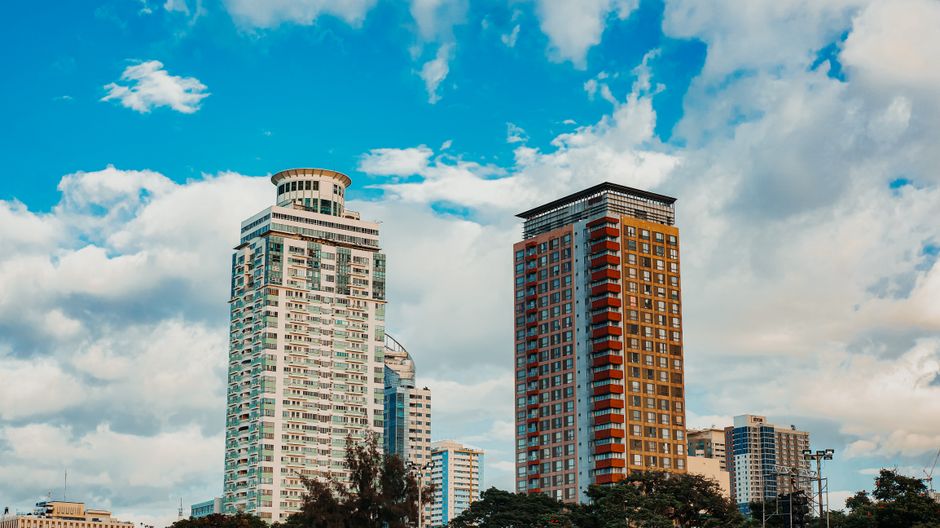
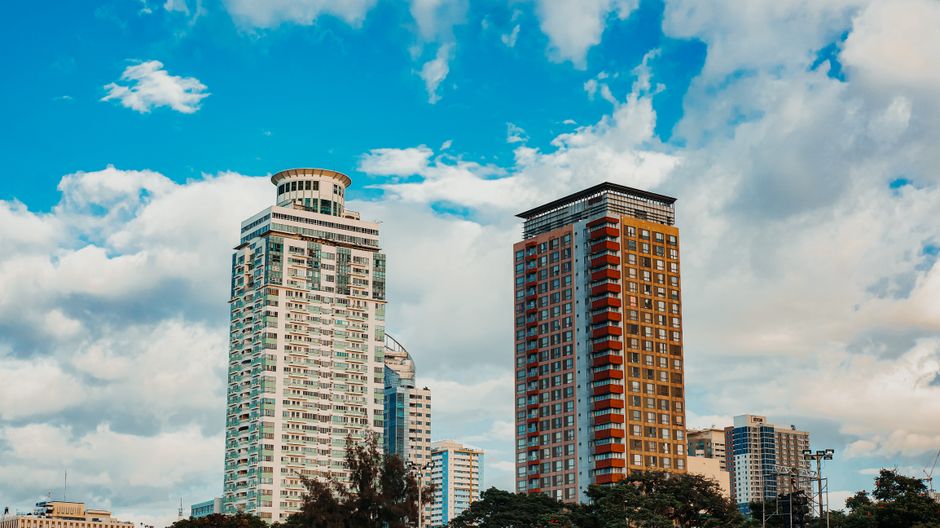
For the first time in years, buying a home in select Manila suburbs is emerging as the more affordable choice over renting, with neighborhoods like Project 4 in Quezon City and Pilar Village in Las Piñas standing out as rare bright spots for would-be homeowners grappling with runaway rental prices.
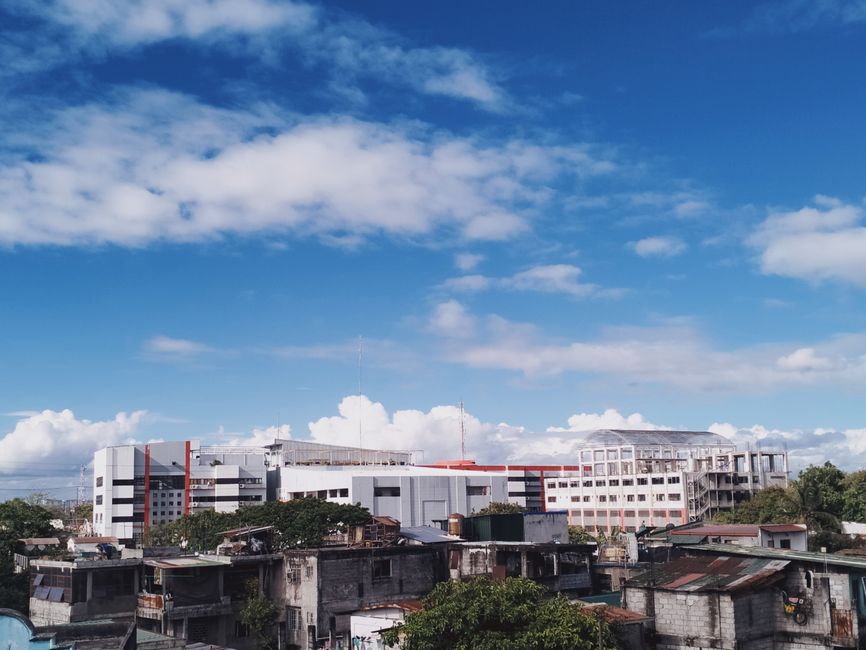
The shifting affordability dynamic comes as surging rents outpace already elevated property values, squeezing long-term tenants and enticing more to crunch the numbers on a mortgage. Industry analysts point to years of pandemic-driven supply shortfalls, as well as foreign capital targeting rental yields in key growth corridors from Ortigas Extension to North Caloocan, sending lease prices spiraling and sparking fresh urgency for families seeking stability. The latest trend threatens to upend the traditional calculus of Manila’s property market, especially for middle-income earners eyeing starter homes.
New Data Reveals the Surprising Winners
The Daily Manila obtained exclusive pricing data from Lamudi Philippines and in-house analysis by Colliers International showing that, as of June 2026, the monthly amortization on a 50-square-meter condo unit in Project 4 (along Boni Serrano Avenue) now averages PHP 15,200—including principal, interest, and standard taxes. A comparable unit’s average rent? PHP 18,600—an 18% gap in favor of buyers. Similar numbers are playing out at Pilar Village, where house and lot packages priced at PHP 4.3 million translate to a mortgage payment of PHP 23,900 monthly, while median rents for detached homes have reached PHP 27,200 in the second quarter. Both neighborhoods have benefited from LRT-2 and SLEX upgrades, but scant new for-lease inventory has driven up asking prices at a faster clip than mortgage rates, which have stabilized at 6.72% according to the Bankers Association of the Philippines.
"Landlords have been quick to adjust rents in response to return-to-office mandates and a stronger influx of provincial migrants," said an analyst close to the Colliers report. Condominium renters along EDSA’s northern stretch—from Muñoz to Bagong Barrio—reported median rent increases of over 20% since last year, according to UrbanLand PH. Meanwhile, banks like BPI and Metrobank rolled out new 15-year fixed mortgage products in April, slicing buyer monthly costs by up to 10% in affected suburbs.
What Renters—and Buyers—Should Do Next
The math has changed, but so has the market mindset. Real estate brokers across Quezon City and Las Piñas report a surge in inquiries from young professionals, especially in districts served by new commercial clusters like Gateway Mall 2 and Evia Lifestyle Center. Market-watchers suggest buyers get pre-approved for financing early and target listings with developer discounts or turnover promos; July’s median downpayment requirements hover around 13% of unit price for mid-market stock.
Renters are advised to re-evaluate long-term plans and shop listings carefully—while the shift is real in Project 4 and Pilar Village, many central locations like Port Area and Makati CBD remain firmly in the renter’s favor, with purchase prices still far outpacing typical lease rates. Still, as rental stock tightens along Quirino Highway and other emerging zones, the window for buyers looking to beat their landlord’s math could soon narrow. Prospective homeowners can check listings with the Subdivision and Housing Developers Association or consult the Home Development Mutual Fund (Pag-IBIG) for updated loan offerings and appraisal rules.
Covering property in Manila. This article was generated by AI from the linked sources and was not reviewed by a human editor before publishing. See our editorial standards.