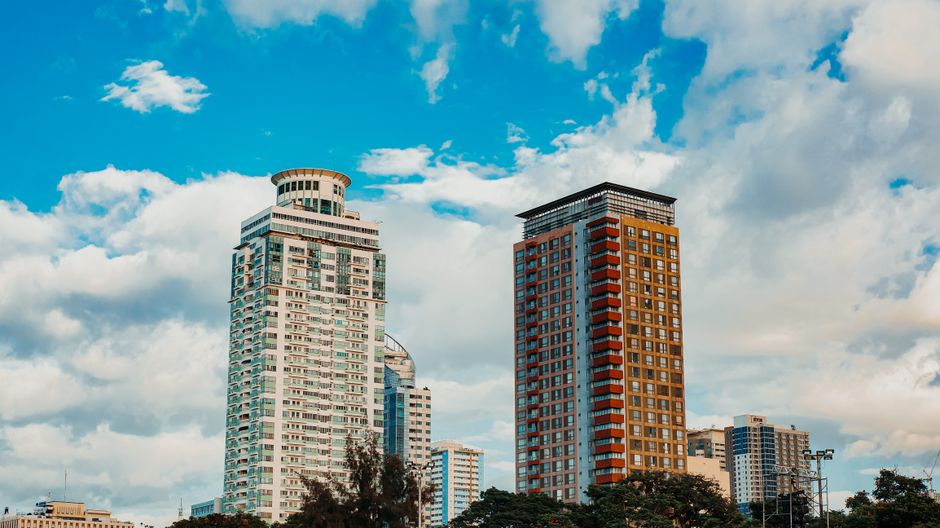
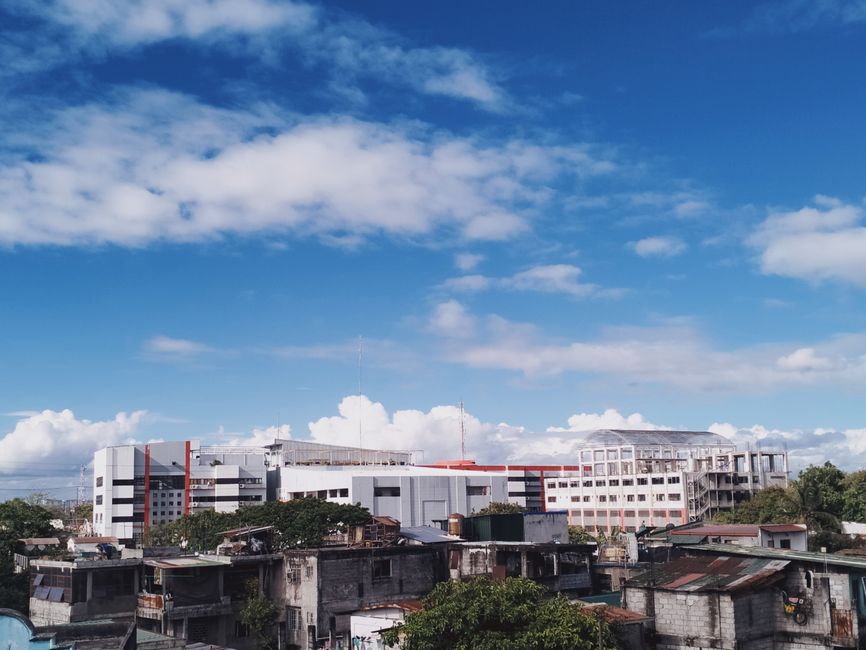
The Manila City Council approved a wide-ranging set of planning amendments on Wednesday, altering rules that govern the height and density of new residential and commercial developments across the capital. Developers in core growth areas like Bonifacio Global City and Binondo will now face stricter design requirements and revised limits on floor-area ratios, after months of public consultations and mounting concerns about overcrowding and liveability.
The shakeup arrives as rapid construction and surging migration put unprecedented strain on Manila's urban core. The city added nearly 450,000 new residents between 2020 and 2025, according to the Philippine Statistics Authority, fueling demand for high-rises in places like Ermita and Sampaloc. But a mix of tight streets, spotty infrastructure, and patchwork old planning ordinances had left many communities struggling with traffic, flooding, and insufficient parks. “If we don’t act now, Manila’s quality of life will keep slipping,” said one urban planning consultant involved in drafting the changes.
Binondo, BGC Face Tighter Controls
Under the revised regulations, new apartments along Ongpin Street in Binondo must now dedicate at least 15% of site area to greenery at ground level. Developers in Bonifacio Global City—where towers have mushroomed since 2019—must adhere to a stepped height profile designed to protect pedestrian light and ventilation. The council has also added an incentive system for projects that integrate rainwater catchment on lots larger than 1,000 sqm—a move meant to counter chronic flash floods along Pedro Gil.
Leading local developer DMCI Homes, which has multiple planned sites along Taft Avenue, will be among the first affected by the new maximum density calculations. Meanwhile, the Manila Urban Design Review Panel, first established in 2023, will become a permanent fixture, gaining power to send projects back for major redesign if they block critical sight lines or breach the new open-space minimums.
Construction Costs and Market Impact
While city officials insist the rules will support public health and property values long-term, some industry figures are already bracing for short-term cost hikes. Preliminary estimates supplied to The Daily Manila indicate that stricter setbacks and step-backs could drive up construction costs in Sampaloc and Pandacan by 8-12% per square meter. The minimum green-space rule, however, is expected to boost median condo resale values up to 6% in areas with few existing parks, based on a January 2026 report from Leechiu Property Consultants. Median asking prices in BGC have already edged up to ₱404,000 per square meter in June, outpacing inflation, RLB Philippines’ data shows.
The new policies will take full effect on September 1, with a six-month window for developments already in the approval pipeline to adjust. City Hall is also rolling out an online portal for public comments on major projects starting this October, aiming to deliver more transparency amid heated resident-developer disputes—especially in historic areas like Intramuros, where tensions over sight lines run high.
With the revised planning code now set, developers and homeowners face a new set of calculations—and regular residents should expect a wave of community consultation notices as proposals emerge for major infill sites. Council staff advise property owners to engage early in the new public process, and recommend monitoring the City Architect’s web page for the updated list of compliant projects and detailed site requirements.