Wellness
Manila's Best Meditation Classes, Groups and Apps Worth Trying Right Now
From Salcedo Village studios to free BGC weekend sessions, the capital's mindfulness scene has never been more accessible — or more crowded.
4 min read
Wellness
From Salcedo Village studios to free BGC weekend sessions, the capital's mindfulness scene has never been more accessible — or more crowded.
4 min read
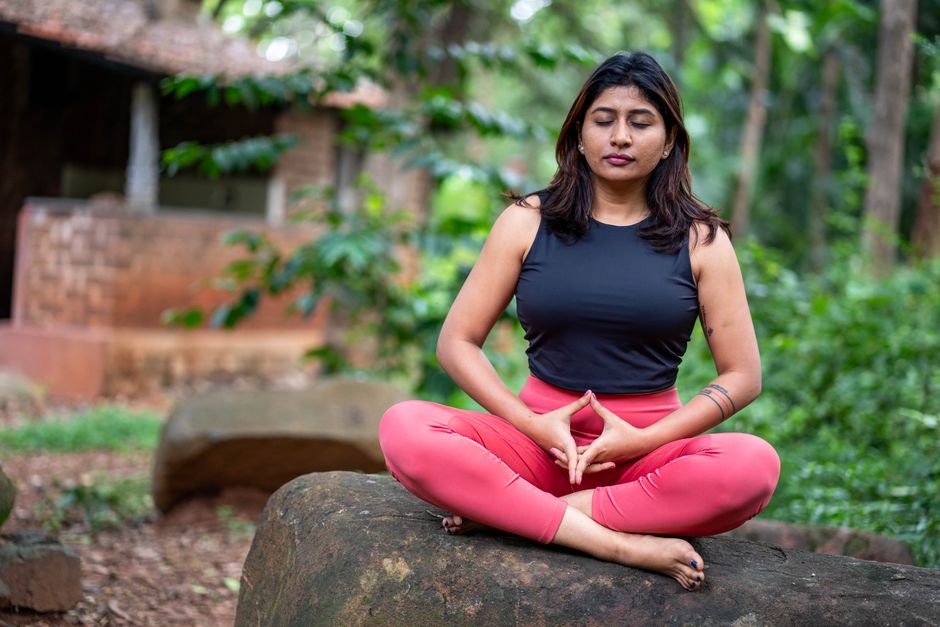
Enrollment in Manila-based meditation and mindfulness programs has jumped sharply over the past 18 months, with several Bonifacio Global City and Makati studios reporting waiting lists for beginner courses that didn't exist in 2024. The city's wellness industry, long dominated by gym culture and juice bars, is quietly pivoting toward the quieter end of the spectrum.
The timing is not accidental. Metro Manila consistently ranks among Asia's most traffic-battered cities, with the Japan International Cooperation Agency estimating the capital loses roughly ₱3.5 billion daily to gridlock. Commuters spending two to three hours each way between Quezon City and the financial district have increasingly turned to structured mindfulness practice as a coping tool — something practitioners and studio owners say they see reflected directly in who walks through their doors.
The Quiet Mind Center on Rada Street in Legazpi Village, Makati, runs a six-week Mindfulness-Based Stress Reduction course modelled on the curriculum developed at the University of Massachusetts Medical School in 1979. Sessions meet every Saturday morning at 8 a.m. and cost ₱4,500 for the full program — roughly the price of four mid-range restaurant dinners. Drop-in guided meditation classes are also available at ₱400 per session, which keeps the barrier low for first-timers who want to test the water before committing.
Over in BGC, the Ananda Wellness Studio at High Street South holds free community meditation sessions every Sunday at 7 a.m. in its rooftop garden. The sessions run 45 minutes and draw a genuinely mixed crowd — office workers, retired professionals, university students from nearby campuses. No registration is required; participants are simply asked to arrive five minutes early. The studio also runs a Thursday evening Vipassana introduction class for ₱600, which the instructors describe as suitable for people who have never sat in formal meditation before.
For those in the north of the metro, the White Space Wellness Hub along Quezon Avenue near Timog has built a reputation for its Sunday afternoon breathwork and meditation combination classes. The 90-minute sessions cost ₱700 and blend pranayama techniques from the Iyengar tradition with secular mindfulness instruction.
Not everyone can add another destination to a Manila schedule that's already eating three hours of the day to traffic. Two apps have carved out genuine local followings. Insight Timer — free, with more than 190,000 guided meditations in its library — has a dedicated Manila users group with over 12,000 members who share session logs and meet quarterly in Poblacion, Makati. The app's data shows Filipino users average 14 minutes per session, slightly below the global average of 18 minutes, which practitioners say reflects the fragmented nature of commute-and-lunch-break usage.
Kcalm.ph, a locally built app launched out of an Ortigas-based startup in March 2025, offers guided sessions in Filipino and Taglish alongside English, which its founders say was a deliberate response to feedback that existing apps felt culturally distant. Monthly subscriptions run ₱199, and the app includes a feature that queues shorter three- to five-minute sessions during high-traffic hours — a design choice that reflects a specific, very Manila problem.
The global evidence behind regular practice is increasingly hard to dismiss. A 2023 meta-analysis published in JAMA Internal Medicine, covering 47 randomised trials and more than 3,500 participants, found that mindfulness meditation programs produced moderate improvement in anxiety, depression and pain. The researchers stopped short of recommending it as a standalone treatment for clinical conditions, but the findings have been enough to push several Philippine corporations — including at least two Makati-based BPO firms — to introduce optional lunchtime meditation rooms in 2025.
For anyone starting out, practitioners consistently recommend the same first step: pick one format and one time slot, and protect it for four consecutive weeks before evaluating whether it's working. The Sunday BGC session is free, requires nothing but comfortable clothes and runs under an hour — a reasonable audition for a practice that, if the numbers are any guide, more Manileños are deciding is worth the trouble.
For personalised guidance, especially if you are managing anxiety, chronic pain or sleep disorders, consult a licensed mental health professional or physician in Metro Manila.
This article was compiled by AI and screened before publishing. See our editorial standards.
About this article
Published by The Daily Manila
Spread the word
Daily brief
Free, in your inbox before 7am. Weekdays.
The Daily Network — local news across Australia