Wellness
A Beginner's Guide to Starting a Meditation Practice in Manila
With stress levels climbing and wellness studios multiplying across the metro, there has never been a better — or cheaper — time to sit down, shut up, and breathe.
4 min read
Wellness
With stress levels climbing and wellness studios multiplying across the metro, there has never been a better — or cheaper — time to sit down, shut up, and breathe.
4 min read
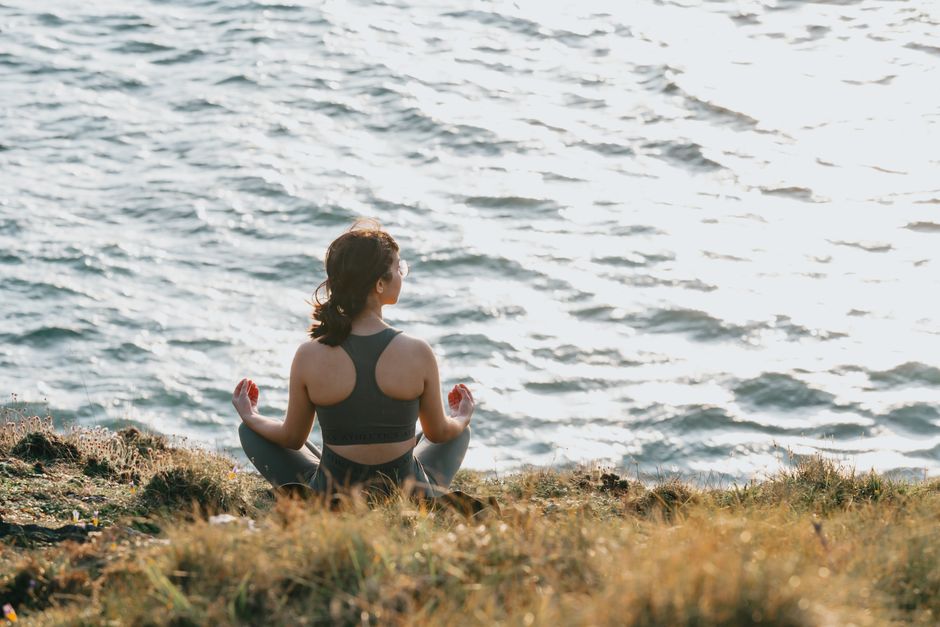
More Manileños are meditating than at any point in the last decade, and the infrastructure to support them is finally catching up. Wellness centres from Poblacion in Makati to the leafy corridors of Quezon City's Tomas Morato strip are reporting full beginner classes most weekday mornings — a shift driven partly by post-pandemic anxiety that never fully unwound and partly by a generation of younger professionals who have started treating mental fitness the same way their parents treated gym memberships.
The timing matters. A 2025 survey by the Philippine Institute for Development Studies found that 61 percent of Metro Manila workers reported moderate to severe occupational stress, up from 47 percent in 2022. Commute times averaging two hours each way, rising rent in central business districts, and a culture that historically prizes resilience over rest have combined to make burnout something close to a public health baseline. Meditation, long dismissed here as the territory of yoga retreats and religious retreats in Tagaytay, is being reframed as a practical daily tool — not a luxury.
For a complete beginner, the most important thing to know is this: you do not need to clear your mind. That is the most persistent and damaging myth about the practice. The actual technique — across most traditions, from Vipassana to breath-focused mindfulness — is simply to notice when your attention has wandered and bring it back, without judgment. Do that ten times in five minutes and you have had a successful session.
Two centres dominate beginner conversations right now. The Ananda Marga Yoga Society, which has operated a centre along Kamuning Road in Quezon City since the 1970s, runs a free introductory meditation workshop on the first Saturday of each month. It is one of the longest-running structured programs in the metro and remains genuinely free of charge, funded through donations. The other anchor is Inner Peace Wellness Studio on Burgos Circle in Bonifacio Global City, which offers a six-session beginner package for ₱2,400 — roughly ₱400 a session — that covers breath awareness, body scanning, and basic loving-kindness meditation. Both programs accept complete novices and do not require any prior yoga experience.
For those who cannot commit to a schedule, the Headspace app remains the most widely downloaded meditation platform in the Philippines as of the first quarter of 2026, with a monthly subscription running around ₱299. The free tier includes ten introductory sessions that are genuinely sufficient to establish a baseline practice. Insight Timer, which is fully free, has a robust community of Filipino teachers offering guided sessions in Filipino and English, including several recorded specifically for Manila commuters — ten-minute tracks designed to be used on the LRT-2 or while waiting out EDSA gridlock.
Consistency matters far more than duration. Research published in the journal Mindfulness in January 2025 found that practitioners who meditated for eight minutes daily for eight consecutive weeks showed measurable reductions in cortisol levels — comparable to groups meditating for twenty minutes but doing so sporadically. Eight minutes. That is shorter than most people spend scrolling before getting out of bed.
Pick a fixed anchor point in your day. Most Manila-based practitioners find the slot just before the household wakes — between 5:30 a.m. and 6:00 a.m. — the most defensible, before traffic noise and domestic obligations crowd in. Set a timer, sit on whatever surface is available, and focus on the physical sensation of breathing at the nostrils or the belly. When your mind moves to your grocery list or your 9 a.m. meeting, you notice it, and you return. That is the entire practice.
Anyone experiencing clinical anxiety or depression should speak with a psychiatrist or licensed psychologist before relying on meditation as a primary intervention — the Philippine Psychiatric Association maintains a directory of practitioners at ppa.org.ph. For everyone else, the barrier to entry has rarely been lower. A chair, eight minutes, and enough quiet to hear yourself breathe. Manila can provide at least two of those three.
About this article
Published by The Daily Manila
Spread the word
Daily brief
Free, in your inbox before 7am. Weekdays.
The Daily Network — local news across Australia