Wellness
How to Start a Walking Group in Your Neighbourhood
Manila's sidewalks are alive with early risers — here's how to turn a solo habit into a community movement.
4 min read
Wellness
Manila's sidewalks are alive with early risers — here's how to turn a solo habit into a community movement.
4 min read
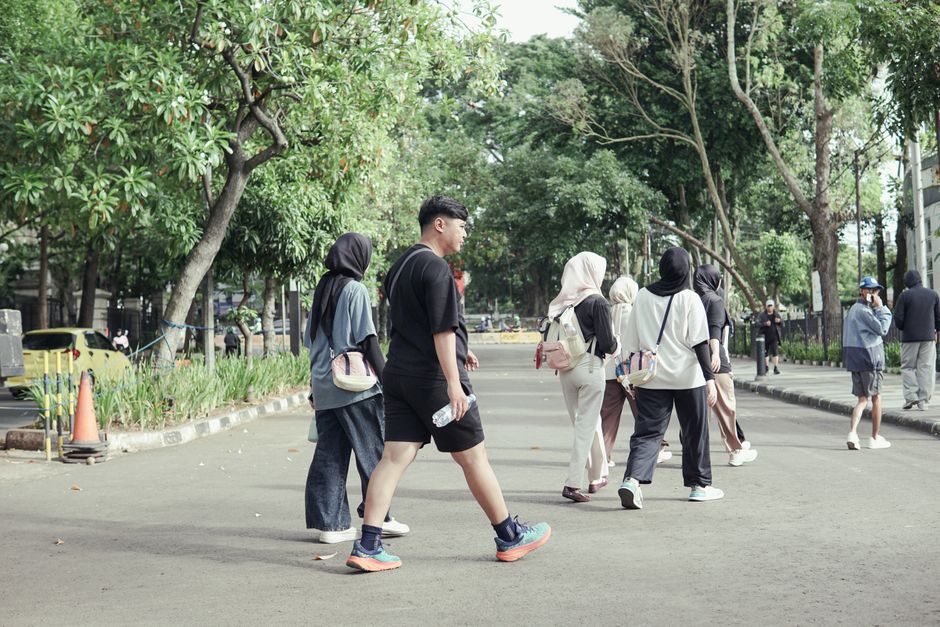
More Manila residents are lacing up before sunrise, and the numbers back it up. A 2025 survey by the Philippine Statistics Authority found that walking remains the most common physical activity among urban Filipinos, with 38 percent of Metro Manila respondents citing it as their primary form of exercise. The challenge isn't motivation — it's structure. A neighbourhood walking group can turn a solitary 6 a.m. shuffle into something people actually show up for, week after week.
The timing matters. Barangay health officials across Quezon City and Taguig have been quietly pushing community fitness programs since the Department of Health relaunched its "Pilipinas, Isports Na!" initiative in January 2026, targeting a 20 percent increase in regular physical activity among adults by 2028. Walking groups are cheap to run, require zero equipment budget, and can plug directly into that framework — which means some barangay halls will even help you promote one.
Start with the route, not the group chat. In Mandaluyong, the stretch along Shaw Boulevard from Pioneer Street down to Edsa has a dedicated sidewalk wide enough for four people walking side by side — rare in Metro Manila. BGC's Bonifacio High Street loop, roughly 2.4 kilometres of car-free paths, is a go-to for groups in Taguig. In Quezon City, the University of the Philippines Diliman academic oval — a 2.2-kilometre loop that closes to motor traffic on weekends — has hosted informal walking clubs for years and offers shade from the acacia trees that line the inner path.
Once the route is set, recruit through hyperlocal channels. A handwritten flyer on the bulletin board inside your barangay hall costs nothing. Facebook community groups — search your barangay name followed by "community" — typically have thousands of members and zero advertising fees. Target a founding group of six to ten people. Smaller than that and two absences feel catastrophic; larger than that and coordination becomes a part-time job.
Set a fixed schedule from day one. Saturdays at 6 a.m. is the sweet spot for most Metro Manila neighbourhoods — cool enough to be bearable, early enough to beat the heat that typically peaks between 10 a.m. and 2 p.m. from May through August. Commit to that slot publicly, even before you have confirmed members.
Assign one person as the weekly pace-setter — not a permanent leader, but a rotating role that keeps any single person from burning out. Collect everyone's emergency contact on a shared Google Form before the first walk. It sounds excessive until someone twists an ankle on the cracked pavement near Taft Avenue and you realise you don't know anyone's last name.
Safety on Manila streets requires planning. Walk facing traffic where sidewalks disappear. If your route crosses major intersections, designate a waiting point — the 7-Eleven on the corner, the barangay health centre — so the group stays together. Wear light-coloured clothing. A ₱150 reflective vest from any Ace Hardware branch is a reasonable group investment.
Keep a simple group log. Note how many people showed up, the route completed, and any incidents. Barangay health workers sometimes ask for this data when certifying community wellness activities — and that certification can unlock access to covered courts, portable speakers, or even a barangay nurse for longer events.
The Marikina City government has run its "Lakad Marikina" programme since 2023, recruiting barangay-level walking groups and recording their weekly distances on a city dashboard. It's a model other LGUs are watching. If your walking group logs consistent attendance over three months, approach your barangay captain about formalising it. The paperwork is minimal and the credibility boost — a real organisation rather than a loose group of friends — makes recruiting significantly easier.
Start this Saturday. Recruit five people. Walk the Diliman oval or your nearest safe route. The rest follows from there. For any health concerns before beginning a new exercise routine, consult a physician at your nearest community health centre or a licensed sports medicine professional.
About this article
Published by The Daily Manila
Spread the word
Daily brief
Free, in your inbox before 7am. Weekdays.
The Daily Network — local news across Australia