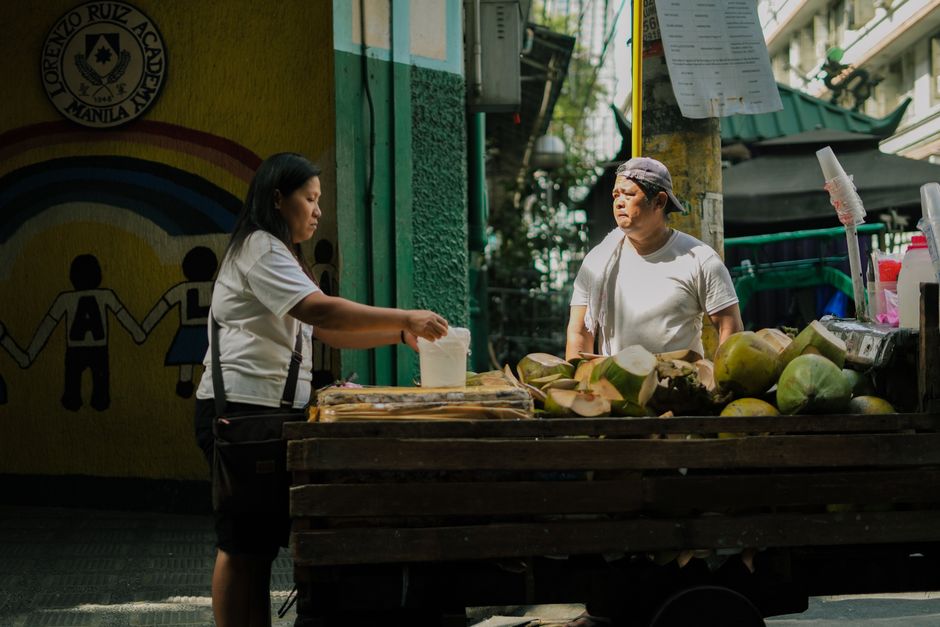
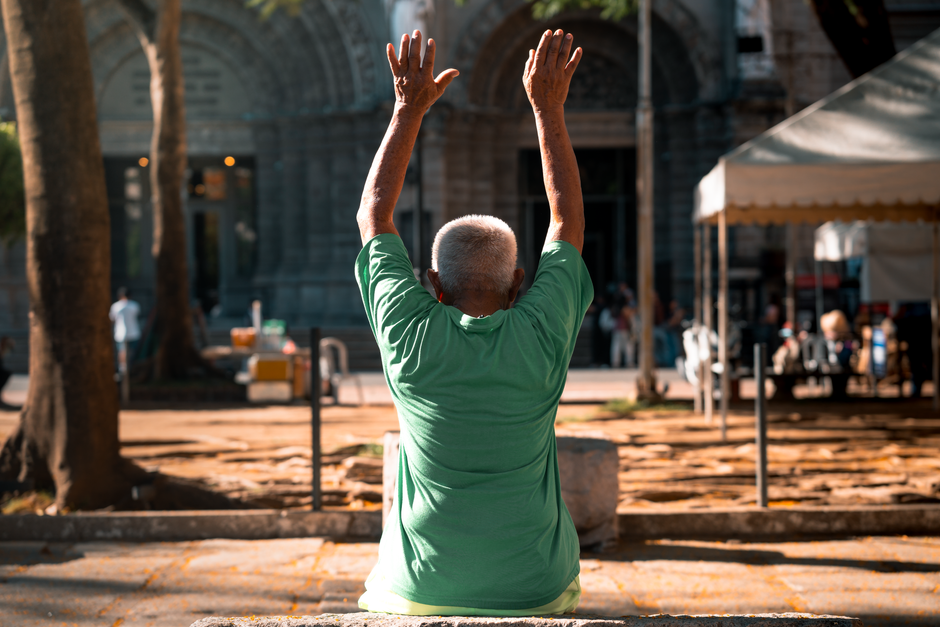
Most Manileños already walk more than they think. The stretch from the LRT-1 Carriedo station to Plaza Miranda. The humid trudge through the Bonifacio Global City pedestrian grid at 7 a.m. The slow shuffle across the Roxas Boulevard baywalk on a Sunday morning. What few people realise is that any of those routes can double as a formal meditation session — no app subscription, no cushion, no retreat fee required.
Walking meditation, a practice rooted in Theravāda Buddhist tradition and increasingly endorsed by secular mindfulness researchers, asks participants to slow their pace, anchor attention to the physical sensation of each step, and treat the surrounding environment as sensory data rather than distraction. It sounds deceptively simple. The difficulty, instructors consistently report, is that most urban walkers spend their entire commute inside their phones.
The timing matters. Global data published in the journal Mindfulness in early 2025 found that short, structured walking meditation sessions of just 10 minutes reduced self-reported anxiety scores by 18 percent in working adults across six Asian cities, including Metro Manila participants in the study cohort. The Philippine Mental Health Association has repeatedly flagged workplace stress as a top concern among Manila-based respondents in its annual surveys, with the 2025 edition citing that 61 percent of Metro Manila workers report feeling mentally exhausted by mid-week. Accessible, zero-cost practices are not a luxury conversation — they are a public health one.
Where Manila Practitioners Are Already Walking
Two sites have become informal anchors for the city's walking meditation community. Rizal Park — specifically the stretch of shaded pathways running along the park's central lagoon near Padre Burgos Avenue in Ermita — draws a regular morning crowd, some affiliated with the Manila Zen Center on Taft Avenue, others simply self-guided. The park's 58 hectares absorb enough ambient noise to make sustained attention to breath and footfall genuinely possible before 7 a.m., when jeepney traffic on the surrounding roads is still manageable.
The second hub is the University of Santo Tomas campus in Sampaloc, where the UST Center for Campus Ministry has run a monthly contemplative walk program since January 2025. The program, open to students and Manila residents alike, pairs a 20-minute guided walk around the 21.5-hectare campus perimeter with a short seated reflection. Participation has climbed from roughly 30 attendees per session at launch to over 90 by June 2026, according to program coordinators.
Private wellness studios have noticed the shift. Several BGC-based studios, including those clustered along 5th Avenue in Taguig, have added outdoor walking meditation components to their weekend offerings, typically priced between ₱350 and ₱600 per session — considerably cheaper than a full mindfulness-based stress reduction course, which can run ₱8,000 to ₱15,000 for an eight-week program at established Manila clinics.
How to Actually Do It on Your Commute
The technique requires almost no instruction to begin, though a few structural points separate an intentional practice from an ordinary walk. Start by reducing your normal pace by roughly 30 percent. Fix attention on the sensation of the sole of your foot contacting the ground — the heel strike, the roll forward, the push-off of the toes. When your mind drifts to the budget meeting or the price of rice at Cartimar Market, note the distraction without judgment and return to the foot.
Noise is not an enemy here. The jeepney horn, the vendor calling out on Quiapo's Hidalgo Street, the bass thump from a passing van — in walking meditation these are treated as sensory events, acknowledged and released rather than suppressed. Practitioners describe this reframe as the single biggest shift in the practice.
For beginners, a 10-minute loop is enough. The baywalk section of Roxas Boulevard between the Manila Ocean Park roundabout and the Department of Tourism building offers a flat, relatively unobstructed path that works well on weekend mornings. Bring water. Leave the earphones at home. The city, for once, is the content.
Anyone with existing anxiety disorders or trauma histories should speak with a licensed mental health professional — such as those available through the Philippine General Hospital's psychiatry outpatient clinic on Taft Avenue — before beginning any formal mindfulness program.