Wellness
Five Evidence-Based Techniques to Reduce Daily Stress
From Intramuros morning walks to breathwork sessions in BGC, Manila's wellness community is turning to science to fight the city's relentless daily grind.
4 min read
Wellness
From Intramuros morning walks to breathwork sessions in BGC, Manila's wellness community is turning to science to fight the city's relentless daily grind.
4 min read

Stress is killing Manileños slowly, and the numbers are no longer abstract. A 2024 Cigna International Health survey ranked the Philippines among the most stressed workforces in the Asia-Pacific region, with 91 percent of Filipino respondents reporting moderate to high stress levels — significantly above the global average of 84 percent. Mental health professionals at the Philippine Mental Health Association say demand for counseling services jumped 38 percent between 2022 and 2025, driven largely by urban workers in Metro Manila.
The timing of this conversation matters. Global health researchers have spent the past two years documenting how extreme heat, economic instability, and information overload compound each other into what some clinicians call a "chronic stress loop." Manila, with its 13-million-plus population squeezed into a metropolitan grid of traffic, noise, and humidity that regularly hits 36 degrees Celsius by June, sits squarely at the intersection of all three pressures. The question is no longer whether stress is a problem — it is which interventions actually work.
Here are five techniques backed by peer-reviewed evidence, tailored for the realities of daily life in the capital.
1. Box breathing. The U.S. Navy SEALs didn't invent it, but they popularized the technique: inhale for four counts, hold for four, exhale for four, hold for four. A 2023 meta-analysis in the journal Frontiers in Psychology found that slow, controlled breathing reduces cortisol — the primary stress hormone — within five minutes. You can do it on the MRT between Cubao and Ortigas stations. No equipment required.
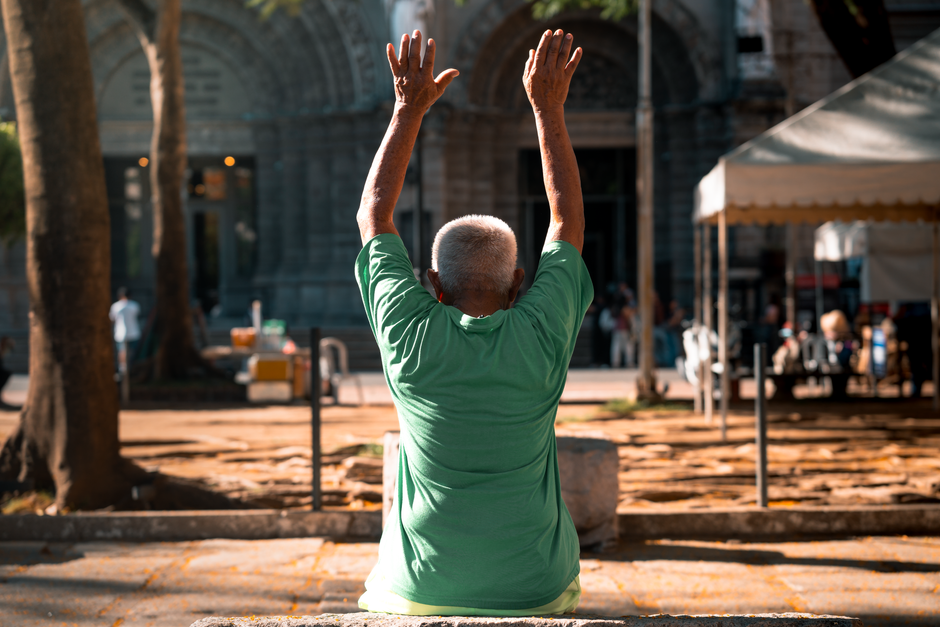
2. Morning walks before 7 a.m. Research from Stanford University published in 2022 confirmed that even 20 minutes of outdoor walking reduces amygdala activity — the brain's threat-detection center. In Manila, the walled city of Intramuros offers a 4.5-kilometer perimeter walk that community groups use precisely for this purpose. The Intramuros Administration opens the walls to pedestrians from 5 a.m. daily. The air quality is measurably better before the traffic builds.
3. Guided meditation through structured programs. The Mind You app, developed by a Filipino mental health startup and launched in 2023, offers localized guided meditations in Filipino and English starting at ₱199 per month. Clinical trials on Mindfulness-Based Stress Reduction — the eight-week protocol developed by Jon Kabat-Zinn at the University of Massachusetts — consistently show a 30 to 40 percent reduction in perceived stress scores. Several BGC-based wellness studios, including Chi Fitness on 32nd Street in Bonifacio Global City, now incorporate MBSR elements into their Saturday morning classes.
4. Deliberate social connection. Loneliness and chronic stress share a neurological pathway. A 2023 Harvard study tracking 1,700 adults over 15 years found that people with strong social ties had lower baseline cortisol and reported better sleep. Manila's barangay-level community structure is an underused asset. The Makati Social Welfare Department runs a Community Mental Health Program across 33 barangays, offering free group sessions that serve this exact function — regular, structured human contact outside the home.
5. Hard stops on screens. The World Health Organization recommends no recreational screen time in the 90 minutes before sleep, citing strong evidence linking blue-light exposure to disrupted melatonin production. The Philippine Sleep Society estimates that Filipino adults average only 6.1 hours of sleep per night, nearly an hour below the recommended minimum of seven. A firm 9:30 p.m. phone-off rule costs nothing.
None of these techniques require a gym membership or a specialist referral, though anyone experiencing persistent anxiety or depressive symptoms should contact a licensed mental health professional. The Hopeline Philippines crisis line — 8804-4673 — operates 24 hours. The National Center for Mental Health in Mandaluyong also runs an outpatient clinic open to walk-in patients on weekdays. The tools exist. The evidence is solid. The only remaining variable is deciding, today, to use them.
Wellness
Wellness
Wellness
Wellness
About this article
Published by The Daily Manila
Spread the word
Daily brief
Free, in your inbox before 7am. Weekdays.
The Daily Network — local news across Australia