The National Center for Mental Health logged more than 47,000 calls to its 24-hour crisis hotline in 2025 — a 31 percent jump from the year before. Behind that number are workers buckling under Metro Manila's commute times, students cramming in undersized apartments, and families stretching ₱500 a day across five mouths. The demand is real. The services exist. The gap is almost entirely about awareness.
Mental health has become an unavoidable conversation in Manila this year. Republic Act 11036, the Mental Health Act signed into law back in 2018, mandated free basic mental health services in all government hospitals and barangay health centres. Eight years on, enforcement is uneven — but in several key facilities across the metro, the promise is actually being kept, and walk-in patients are being seen at no cost.
Where to Walk In and What to Expect
The National Center for Mental Health, located along Nueve de Febrero Street in Mandaluyong, remains the country's main public psychiatric facility. Its outpatient department accepts walk-in patients from Monday to Friday, 8 a.m. to 5 p.m. Initial consultations are free for Filipino citizens who present a valid government ID. Patients who need medication may pay subsidised rates under PhilHealth, with most antidepressants available through the hospital's pharmacy at roughly ₱2 to ₱5 per tablet under the Generics Act pricing.
Closer to the heart of old Manila, the Jose R. Reyes Memorial Medical Center on Rizal Avenue in Sta. Cruz has a psychiatry outpatient clinic that operates three days a week. The Ospital ng Maynila Medical Center in Malate also runs a mental health programme staffed by rotating psychiatric residents from the University of the Philippines College of Medicine. Neither charges consultation fees to uninsured patients who qualify under the hospital's social service assessment — a process that takes roughly 20 minutes at the admissions desk.
For those who cannot make the trip, the NCMH crisis hotline — reachable at 1553 — operates around the clock, every day of the year. The In Touch Community Services, a non-profit based in Makati, runs a separate English and Filipino crisis line at (02) 8893-7603, available on weekdays. Text-based support through the DOH's Hopeline service at 2919 (Globe and TM subscribers) costs nothing beyond standard SMS rates.
Barangay-Level Help Is Closer Than You Think
Barangay health centres are legally required to offer mental health first aid under RA 11036, though staffing determines how much they can actually deliver. In practice, barangays in Quezon City — particularly those under the jurisdiction of the Quirino Memorial Medical Center catchment area — have been more consistent. The QC government's Project: HOPE, launched in January 2025, deployed licensed counsellors to 15 barangay health stations across Districts 2 and 6, offering free 45-minute sessions by appointment. Residents can book through their barangay hall during office hours.
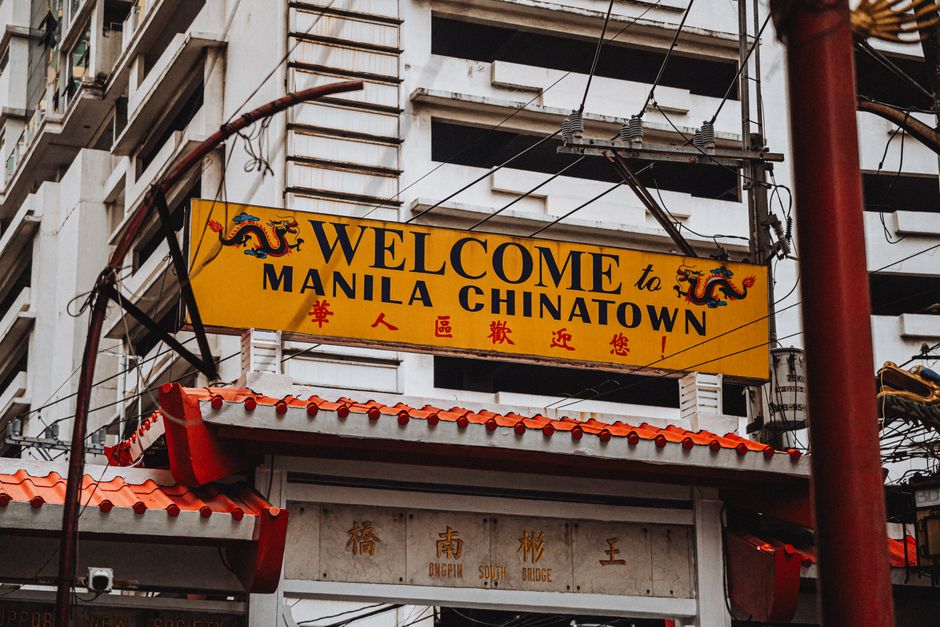
The Department of Health also runs the iMatter mental wellness programme through selected health centres in Tondo, Sampaloc, and Binondo. Sessions are group-based — typically six to eight participants — and focus on cognitive stress management techniques drawn from structured psychological intervention guides. The programme is free and does not require a referral.
The evidence for early intervention is hard to argue with. The Philippine Mental Health Association estimates that fewer than 2 percent of Filipinos who experience a mental health condition ever receive professional treatment. Cost is the most cited barrier, followed by stigma. The existence of free services does not automatically dissolve either obstacle, but it removes the most practical one.
If you are managing work pressure, relationship strain, or persistent low mood, the first step is as simple as calling 1553 or walking into the nearest government hospital's outpatient department on a weekday morning. Bring a valid ID, arrive before 10 a.m. to avoid the longest queues, and ask specifically for the psychiatry or social welfare desk. The system is imperfect and sometimes slow. It is also free, and it is there. Consulting a licensed Filipino mental health professional — whether through a public clinic or a private practitioner — remains the most important step anyone can take.