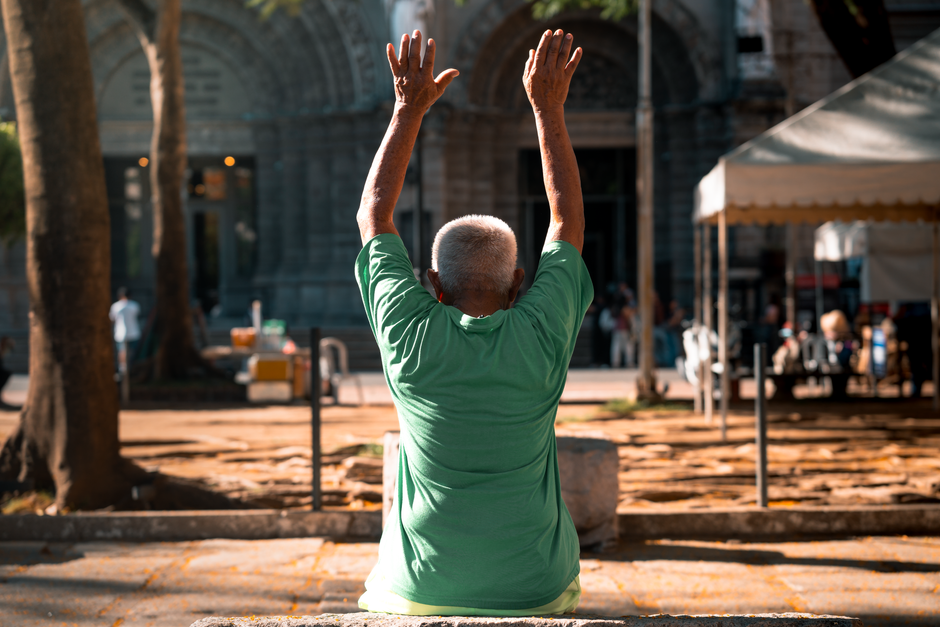
Manila has more usable green space than most of its own residents realize. The city's Department of Parks and Recreation logged a 34 percent increase in registered early-morning fitness walkers at secondary park sites between January and June 2026 — a number that reflects a quiet behavioral shift away from the usual tourist-facing lawns and toward the tree-lined paths that longtime locals have treated as their own.
The timing matters. Metro Manila's urban heat island effect has been intensifying through the first half of 2026, and public health advisories from the Department of Health's Metro Manila Center for Health Development have pushed Filipinos toward cooler, dawn-hour outdoor exercise rather than midday gym sessions. Air-quality readings along EDSA regularly breach the 100 AQI mark by 8 a.m. The parks listed below tend to sit well below that threshold at 5:30 a.m., when the serious walkers show up.
The Paths the Tour Buses Don't Know About
La Mesa Eco Park in Novaliches, Quezon City sits just 45 minutes north of Intramuros by car yet draws almost no foreign foot traffic. Its secondary loop trail — a compacted-earth path that runs roughly 2.4 kilometers through second-growth forest alongside the La Mesa Reservoir — stays shaded until past 9 a.m. Entry costs ₱50 for adults and ₱30 for children as of the park's updated 2026 fee schedule. Regulars arrive before 6 a.m. on weekdays, when the trail population rarely exceeds two dozen people. The Laguna Lake Development Authority has been partnering with the park since 2024 to maintain the waterside vegetation buffer, which keeps the undergrowth dense and the temperature noticeably lower than the surrounding barangays.
In Pasig City, the Rainforest Park on C-5 Road near Pinagbuhatan is another one that locals guard almost possessively. The inner botanical trail loops through labeled native-species plantings — narra, molave, and kamagong — for about 1.8 kilometers. Weekend warriors doing two or three circuits have turned the spot into an informal running community; a loose group called the Pasig Trail Collective has been meeting there every Saturday at 5:45 a.m. since early 2025, requiring nothing more than a pair of shoes and a willingness to keep the path clean. Admission is ₱30 for adults.
Further south, the University of the Philippines Diliman campus in Quezon City remains the open secret that nearly every fitness-oriented Manileño knows but few tourists ever discover. The Academic Oval's 2.2-kilometer perimeter is one of the most used running tracks in the metro, but the less-famous path that winds behind the College of Science toward the Sunken Garden offers a quieter, tree-canopied alternative. UP Diliman is a public university with open gates, meaning access is free on most mornings before 7 a.m.
Why These Spots Are Gaining Ground
A 2025 survey by the Urban Land Institute Philippines found that 61 percent of Metro Manila respondents rated "proximity to green space" as a top-three factor in housing decisions — up from 44 percent in 2020. That appetite has pushed local government units to compete. Marikina City recently reopened the Marikina Riverbanks Eco Park stretch along J.P. Rizal Avenue after a six-month rehabilitation project completed in March 2026, adding 1.1 kilometers of new walking path and native-tree plantings at a reported cost of ₱18 million from the city's 2025 capital budget.
The practical advice for anyone wanting to start: go early, go on weekdays if you can, and bring your own water. Most of these sites have minimal vendor presence before 7 a.m., and iced water at trailhead stalls typically runs ₱20 to ₱35 a bottle once the sun is up. Download the ParksMNL mobile app, relaunched by the Manila Parks and Recreation Office in February 2026, which now includes real-time crowd estimates and trail condition updates for 18 Metro Manila sites. And if you are managing a specific health condition or starting a new exercise routine after a long break, a quick consultation with your physician before hitting those early-morning trails is always worth the extra step.