Wellness
Manila’s Top Walking Trails: Best Routes Rated by Distance and Difficulty
From leisurely waterfront strolls to challenging slopes in old military camps, Manila offers walking trails for every type of urban explorer.
4 min read
Wellness
From leisurely waterfront strolls to challenging slopes in old military camps, Manila offers walking trails for every type of urban explorer.
4 min read

Early this morning, joggers lined up beside dog walkers at the entrance of UP Diliman’s famed Academic Oval just as a solo hiker set off into the tree-shaded climbs of Camp Aguinaldo’s Eco Trail. The growing crowd at local parks mirrors a citywide surge in demand for outdoor fitness options, with many Manileños keen to step up their wellness routines despite the muggy July air.
Public parks and open spaces have taken on new significance as Manila faces both rising urban density and sweltering weather, fuelling a shift from crowded gyms to open-air workouts. City wellness groups, like Manila Moves and the Quezon City Walkers Union, report record numbers of participants for walking meetups. Recent heatwaves have only highlighted the need for shaded, accessible trails where residents can exercise safely and affordably.
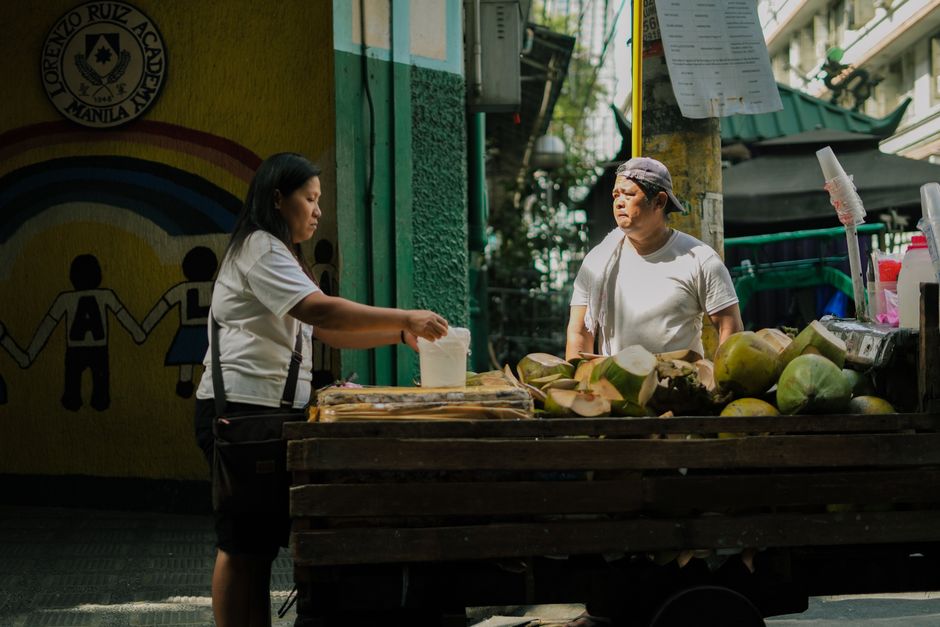
UP Diliman’s Academic Oval in Quezon City tops the local walking charts. This 2.2-kilometre loop, partially covered by century-old acacia trees, attracts students, faculty, and visitors all day. The mostly flat terrain and clearly marked path make it suitable for beginners and the elderly. Most mornings, ambulant vendors set up at the entrances, selling cold bottled water for P20 and fresh coconut juice for P50 – a welcome sight when the humidity peaks.
For those craving a tougher workout, the Eco Trail at Camp Aguinaldo sprawls over 4 kilometres with moderate inclines, uneven dirt tracks, and a canopy of narra and mahogany trees. Access costs P100 for non-military personnel (bring ID for registration at Gate 6 on Boni Serrano Avenue). The camp’s trail connects to several historic spots, including the old parade grounds and a bamboo grove favoured by birdwatchers. Local hiking coach Rafael Roque, who leads weekend wellness treks here, estimates that the circuit’s steeper sections burn twice as many calories as a casual stroll around a mall.
Beyond university ovals and military bases, the Arroceros Forest Park along Antonio Villegas Street offers a central-Manila escape with a 1.1-kilometre winding path through thick secondary forest. Managed since 1993 by the Manila Seedling Bank Foundation and now free to enter, this trail presents uneven ground and scattered benches for breaks, making it ideal for intermediates seeking greenery in the city core.
According to the Quezon City Parks Department, foot traffic at the Academic Oval jumped by 35% in the last year. Arroceros Forest Park, meanwhile, logged an average of 400 daily visitors in May 2026, marking its highest number since its pandemic-era reopening. Most trails are free, though groups like the Manila Moves often collect a small voluntary donation (typically P50) to support regular cleanups.
Public health advocates note that walking briskly for at least 30 minutes on these trails burns about 120-150 calories, depending on body weight and speed. The summer heat, however, means most regulars hit the trails before 8 a.m. or after sunset, when shaded stretches are coolest and PM2.5 air pollution readings are typically at their lowest (averaging 20 µg/m³ at UP Diliman in June, well within safe limits according to the Philippine Atmospheric, Geophysical and Astronomical Services Administration).
For those just starting out, fitness groups recommend the CCP Complex Loop (1.8 kilometres of flat concrete paths along Roxas Boulevard, with open views of Manila Bay but minimal shade). More seasoned walkers and hikers might prefer the Marikina River Park’s 3-kilometre riverside route, especially on weekend mornings when food stalls and bike rentals (P80/hour) liven up the area.
The city’s improved footpath network, along with a growing list of active clubs, means locals have little excuse to stay indoors. Organisers agree the best walking is still early and hydrated: pack a bottle, wear a hat, and check in with club schedules—most post weekly trail meetups via Facebook or at barangay halls. For walkers with medical conditions or new fitness goals, a quick chat with a Manila-based health professional ensures a safe start. With so many accessible choices, the city’s walking culture shows no sign of slowing down this season.
Wellness
Wellness

Wellness

Wellness
About this article
Published by The Daily Manila
Spread the word
Daily brief
Free, in your inbox before 7am. Weekdays.
The Daily Network — local news across Australia