Wellness
Five Evidence-Based Techniques to Reduce Daily Stress in Manila
From brisk walks in Legazpi Active Park to community yoga at BGC, here are practical, science-backed ways to manage stress in the city.
4 min read
Updated 1 h ago
Wellness
From brisk walks in Legazpi Active Park to community yoga at BGC, here are practical, science-backed ways to manage stress in the city.
4 min read
Updated 1 h ago

More Manileños are living under pressure, with daily commutes, rising city temperatures, and digital distractions piling up. For many professionals and students in Makati, Quezon City, or even Manila’s university belt, moments of calm can feel rare. But mental health experts point to accessible, evidence-based tools that can make a difference in daily stress levels.
Rising stress is not just a personal matter. Over the past year, mental health concerns in Metro Manila have climbed as work-from-home arrangements blend professional and family demands, and urban life continues to accelerate. With climate change driving longer, hotter summers and power costs spiking—Meralco’s residential rates hit P11.84 per kilowatt-hour in June—residents are increasingly at risk of stress-related health issues. The pressure to maintain productivity, particularly in high-density districts like Ortigas and Bonifacio Global City (BGC), has many seeking practical relief.
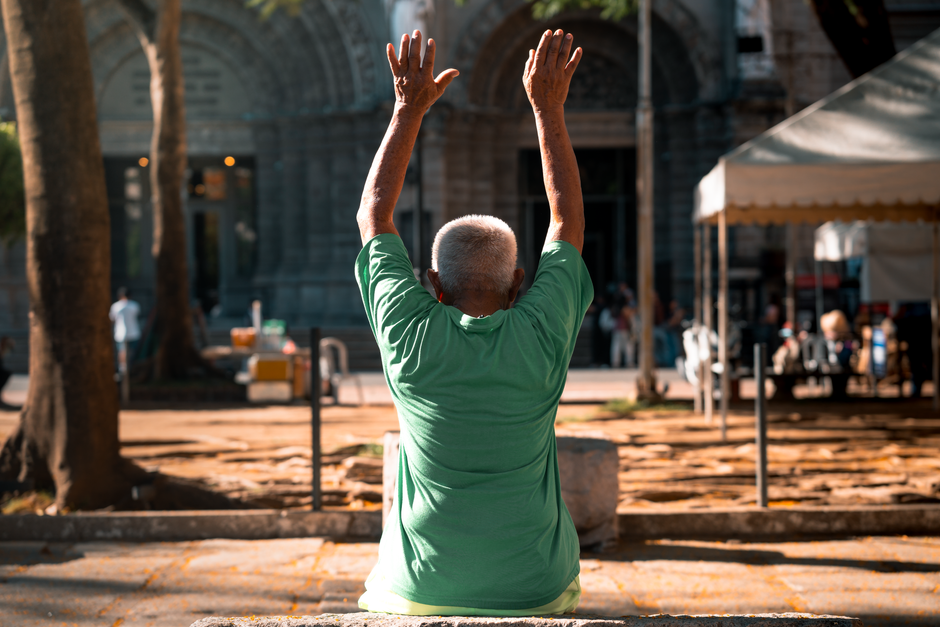
Community-driven wellness efforts are expanding. At Legazpi Active Park in Makati, joggers and yoga groups gather before dawn to beat both traffic and the heat. Non-profit organizations such as Mental Health PH host free mindfulness and mental health first aid workshops out of co-working venues along Tomas Morato. For those needing affordable physical outlets, Quezon City Memorial Circle’s open-air Zumba classes remain popular, averaging only P50 per session.
The city’s wellness sector has also adapted digitally. MindNation, a startup with offices along Ayala Avenue, offers teletherapy packages starting at P500 per session, bridging the gap for those reluctant or unable to visit clinics in person. University of the Philippines (UP) Diliman rolled out its Mindfulness and Well-being Program last March, targeting students and staff with group sessions and evidence-based coping strategies.
1. Physical Activity: Even brisk walking for 15-30 minutes daily shows a reduction in stress hormones, according to a 2023 Philippine Heart Association review. From Intramuros’ shaded walkways to UP Diliman’s Academic Oval, accessible open spaces can foster the habit.
2. Mindful Breathing: Deep, slow-breathing exercises stimulate the parasympathetic nervous system. The Ateneo Bulatao Center recommends the "4-7-8" technique—inhaling for 4 seconds, holding for 7, exhaling for 8—to steady nerves. This can be practiced while waiting for the MRT or during jeepney rides.
3. Social Connection: Regular positive interaction with friends or colleagues buffers stress. Local 2024 Pulse Asia data indicates that Filipinos who report high social support score 27% lower on perceived stress scales than those who feel isolated. Community groups in Poblacion and online support circles, such as "Mindful Manila" on Facebook, provide important outlets.
4. Digital Detox: Limiting screen time reduces overwhelm and improves sleep. A 2025 BPO wellness survey showed a 32% reduction in stress symptoms when employees unplugged from work chats after 8:00 PM. Several Manila cafes—including Commune along Polaris Street—promote "no Wi-Fi hours" to encourage relaxing offline breaks.
5. Structured Scheduling: Creating reasonable daily routines aids predictability and lowers anxiety. Time-blocking, now taught in productivity workshops at Kalibrr HQ in BGC, helps urban workers separate tasks and micro-rest moments, increasing overall resilience.
Psychological stress is tightly linked to cardiovascular and metabolic risk, making day-to-day management a public health priority. The Department of Health reported in 2024 that nearly 17% of Metro Manila residents screened positive for moderate to severe stress symptoms—almost double pre-pandemic levels.
The pressure isn’t likely to ease overnight. But accessible, actionable steps—whether joining a sunrise run at Baywalk, logging off early, or just starting a guided meditation app at home—are now easier to adopt in Manila than ever. Public and private programs will continue to expand options, but small shifts in routine remain within everyone’s reach. For anyone overwhelmed by stress or persistent worry, consulting local psychologists or clinics remains the gold standard for support and advice.
Wellness
Wellness
Wellness

Wellness
About this article
Published by The Daily Manila
Spread the word
Daily brief
Free, in your inbox before 7am. Weekdays.
The Daily Network — local news across Australia