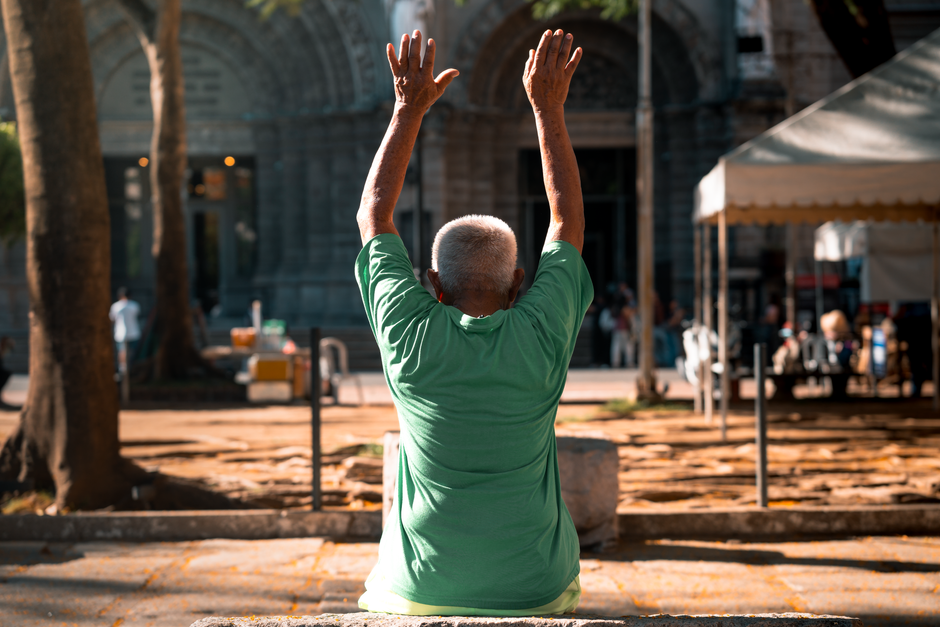
The 6 a.m. crowd at Ayala Triangle Gardens in Makati no longer belongs exclusively to solo joggers and office workers cutting through on their commute. By mid-2026, the park on Paseo de Roxas has become a gathering point for a different kind of regular: dog owners who show up with leashes in one hand and resistance bands in the other, turning their pets' morning constitutional into structured interval training, yoga flows, and group stretching circuits.
This is not accidental. Manila's urban wellness culture has shifted decisively toward outdoor, pet-inclusive fitness in the past 18 months, driven partly by the rising cost of gym memberships — a standard monthly pass at most BGC fitness studios now runs between ₱2,500 and ₱4,500 — and partly by a post-pandemic preference for socialising in open air. The dogs, it turns out, are the best icebreakers the city has ever produced.
Where Manila's Dog-Walk Fitness Scene Is Actually Happening
Bonifacio Global City remains the undisputed centre of this movement. The BGC Trail, which loops through Burgos Circle and connects to Mind Museum Plaza, sees consistent weekend foot traffic from organised groups running under informal banners like the BGC Pawsitive Runners, a WhatsApp-coordinated collective that meets every Saturday at 6:30 a.m. near the amphitheatre on 9th Avenue. Members bring dogs of every size, and the trail's 3.2-kilometre circuit has become a de facto outdoor gym, with participants incorporating bodyweight exercises at designated rest points.
Rizal Park along Roxas Boulevard offers a different energy — wider open lawns, more shade from the old acacia trees, and enough space for owners to let larger breeds run without collision anxiety. The Luneta area, specifically the section near the National Museum of Natural History, has attracted an informal weekend community of dog owners who combine brisk walking with calisthenics stations. Manila Parks and Recreation Division has quietly designated portions of the park as pet-friendly zones since a pilot program launched in March 2025, though leash rules remain strictly enforced and waste disposal compliance is monitored by on-site staff.
La Mesa Eco Park in Novaliches, Quezon City, draws a more suburban crowd — families with medium-to-large breeds who drive in on Sunday mornings and spend two to three hours on the park's trail network. Entry is ₱50 per adult, with no additional pet fee as of July 2026. The 2,700-hectare watershed reserve's outer recreational zone has become a legitimate fitness destination, with some groups logging 8 to 10 kilometres per visit.
The Social Health Dividend Nobody Planned For
Research published by the World Health Organization in 2024 identified social isolation as a primary driver of sedentary behaviour in urban Southeast Asian populations, particularly among adults aged 30 to 50. Manila fits that profile closely. What parks with active dog communities appear to offer, almost accidentally, is a low-barrier entry point into regular physical activity anchored by social obligation. You have to show up because the dog needs to go out. You stay longer because you run into the same people. You move more because movement becomes the shared language of the group.
The Department of Health's 2025 National Nutrition Survey noted that only 23 percent of Filipino adults meet the recommended 150 minutes of moderate physical activity per week. Community-anchored outdoor fitness — the kind organically forming around dog-walking culture — represents one of the more promising informal mechanisms for closing that gap without requiring government spending or gym access.
For anyone looking to plug into this scene, the practical steps are straightforward. BGC's Saturday morning circuit starts at the 9th Avenue amphitheatre; Ayala Triangle is most active from 6 to 8 a.m. on weekdays. La Mesa Eco Park is open daily from 6 a.m. to 5 p.m. Check local pet-policy signage before arriving, carry waste bags, and keep vaccinations current — most informal groups expect it as a baseline courtesy. If your dog is new to crowded parks, a mid-week visit during quieter hours helps with acclimatisation before the weekend rush. A registered veterinarian can advise on appropriate exercise levels for specific breeds, particularly in Manila's humidity.