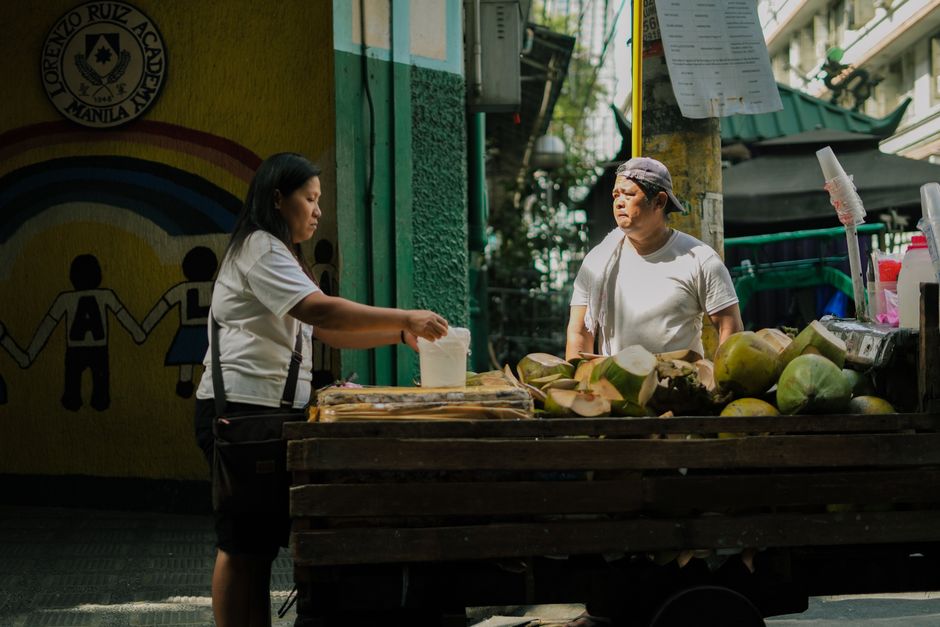
Manila's nighttime low in July rarely drops below 27°C. That single fact — measured consistently by PAGASA at the Ninoy Aquino International Airport weather station — sits right at the threshold where the human body begins to struggle with the first stage of sleep. Heat, compounded by the orange wash of sodium-vapour streetlights along EDSA and the relentless ambient roar of jeepneys idling near Monumento, is turning the metro into one of the harder cities in Southeast Asia to actually rest in.
The timing matters. Hormone research published this year has reignited public interest in how the body's internal chemistry — melatonin especially — governs the sleep cycle. What that conversation often skips is the environmental side: the external signals that either allow melatonin to do its job or actively suppress it. In Metro Manila, all three of the main disruptors — temperature, light and noise — operate at high intensity, often simultaneously, for most of the year.
Heat Flattens the Sleep Curve
Sleep onset requires your core body temperature to drop by roughly 1°C. That process depends on the bedroom being cooler than your body — ideally between 18°C and 22°C, according to the World Health Organization's environmental noise and health guidelines. In Tondo, Sampaloc and other densely packed barangays where air-conditioning is either unaffordable or structurally impossible in older housing stock, that drop simply does not happen. An electric fan circulates warm air at 29°C. The body stays alert. Deep, slow-wave sleep, the stage linked to immune repair and memory consolidation, gets compressed or skipped entirely.
The Philippine Institute of Traditional and Alternative Health Care, based in Paco, Manila, has documented rising consultations for fatigue and sleep-related complaints each summer since 2022. Meanwhile, a 2024 survey by the Asian Development Bank on urban health in Metro Manila found that 58 percent of respondents in high-density districts reported sleeping fewer than six hours on weeknights, with heat cited as a primary cause by 41 percent of that group.
Electricity costs compound the problem. As of June 2026, Meralco's residential rate sits at approximately ₱12.10 per kilowatt-hour. Running a 1-horsepower window-type air conditioner for eight hours costs a household roughly ₱45 to ₱55 per night — a real barrier for families earning at or near the minimum wage of ₱645 per day in the National Capital Region.
Light and Noise: The Two Invisible Thieves
Light is the faster disruptor. The retina contains specialised cells that detect blue-spectrum light and signal the brain's suprachiasmatic nucleus to halt melatonin production. Commercial signage along Roxas Boulevard stays lit past midnight. The SM Mall of Asia complex in Pasay, visible from barangays across Manila Bay, generates a persistent sky glow. For residents in ground-floor apartments in Ermita or Malate, streetlight bleeds through thin curtains and mimics dawn, shifting sleep architecture toward lighter, less restorative stages.
Noise operates differently but with comparable damage. The WHO recommends nighttime outdoor sound levels below 40 decibels. Traffic monitoring by the Department of Environment and Natural Resources in 2023 recorded average nighttime noise levels of 62 to 68 decibels along major Manila arterials including España Boulevard and Quezon Avenue — a range associated with measurable cardiovascular stress during sleep.
Practical adjustments exist and most cost little. Blackout curtains — available at Wilcon Depot branches in Quezon City and Manila starting at around ₱380 per panel — cut light intrusion by roughly 95 percent. A white noise application run through a phone speaker at 50 to 55 decibels can mask irregular traffic spikes without disrupting sleep stages the way sharp, unpredictable sounds do. Cooling the body before bed through a lukewarm shower, rather than a cold one, actually accelerates the core temperature drop that sleep requires.
The Healthy Philippines 2030 agenda, coordinated through the Department of Health, includes urban sleep health as a component of its non-communicable disease prevention framework — but implementation at the barangay level remains uneven. Community health centres in districts like Santa Ana and San Andres Bukid offer free consultations where residents can raise sleep concerns. For anything persistent — chronic insomnia, suspected sleep apnea — a qualified local physician or sleep specialist remains the essential starting point. No fan trick or curtain fix substitutes for that.