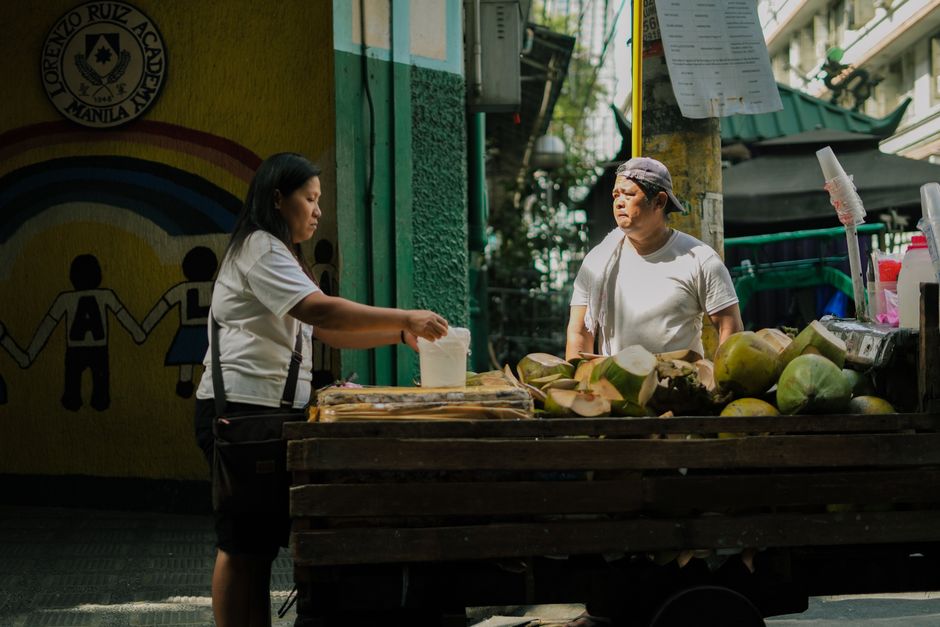
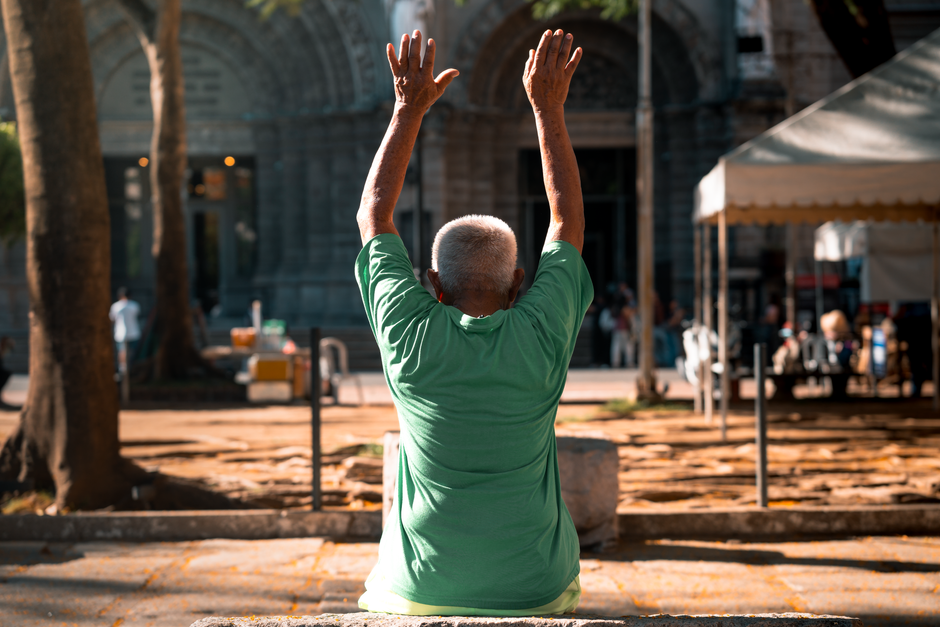
More Manileños are sitting in silence on purpose. Enrollment at community meditation centers across the metro jumped by roughly 40 percent between 2023 and 2025, according to figures cited by the Philippine Institute of Traditional and Alternative Health Care, and walk-in interest has kept climbing into mid-2026. The numbers track a global pattern: the World Health Organization reported in 2024 that anxiety disorders affect one in eight people worldwide, and wellness practitioners here say local demand reflects that same pressure cooker.
The timing matters. Metro Manila's post-pandemic return to office culture — packed MRT trains, six-lane gridlock on EDSA, back-to-back Zoom calls that somehow survived the hybrid era — has pushed burnout into the foreground of daily conversation. June's brutal dry-season tail and the ongoing cost-of-living squeeze have not helped. Against that backdrop, meditation is no longer a niche pursuit for yoga devotees in Bonifacio Global City. It's becoming a practical tool, and the city now has enough infrastructure to make starting genuinely accessible.
Where to Actually Begin
The single biggest mistake beginners make is waiting until they feel ready. They won't. Start with five minutes, not fifty. Sit on a chair, a floor cushion, or the edge of your bed. Close your eyes, breathe through your nose, and count each exhale up to ten before starting over. When your mind wanders — and it will, probably before you reach three — just return to one. That's the whole practice for week one.
For those who prefer structure and company, Manila has options at several price points. The Ananda Marga Meditation Center on Tomas Morato Avenue in Quezon City offers free introductory sessions every Saturday at 8 a.m., covering basic mantra and breathing techniques suited to complete novices. In Intramuros, the Zen Center of the Philippines holds drop-in zazen sessions on the first and third Sunday of each month; suggested donation is ₱150, which covers a mat and a brief orientation talk. The Brahma Kumaris center in Pasig City runs a structured seven-day beginners' course that costs nothing — it is entirely donation-based — and has been running continuously in the Philippines since 1978.
Apps are a reasonable supplement, not a replacement. Insight Timer, which is free on iOS and Android, hosts guided meditations from Filipino teachers including sessions conducted in Filipino and Taglish. Paid platforms like Calm cost around ₱1,800 annually on Philippine App Store pricing, but most experts suggest beginners spend their first month with free resources before committing money to anything.
What the Evidence Actually Shows
A 2023 meta-analysis published in JAMA Internal Medicine reviewed 47 clinical trials and found that mindfulness meditation produced moderate reductions in anxiety, depression, and pain across diverse adult populations. Eight weeks of consistent practice — even at 10 to 15 minutes daily — showed measurable changes in self-reported stress levels. That study is frequently cited by mental health professionals at the Philippine General Hospital's psychiatry department, where mindfulness-based cognitive therapy has been offered as a complement to clinical treatment since 2019.
Consistency matters more than duration. Research consistently shows that practicing six days a week for 10 minutes outperforms one 60-minute weekend session in terms of building the habit and sustaining attention regulation over time.
The practical path forward is straightforward. Pick one location — a corner of your bedroom, a spot in Rizal Park near the Orchidarium, anywhere you can return to reliably — and treat it as your default seat. Commit to 21 consecutive days at five to ten minutes before deciding whether to extend. If group accountability helps, the Ananda Marga Tomas Morato session or the Brahma Kumaris Pasig course gives you a room full of people in the same first week. If you hit a wall around day eight — and most beginners do — keep the chair, drop the expectation, and breathe anyway.
Consult a licensed mental health professional or physician before beginning if you have a history of trauma or are currently managing a clinical anxiety or mood disorder. Mindfulness is evidence-supported, but it works best as part of a broader, professionally guided care plan for anyone dealing with serious mental health conditions.