Escaping the Concrete Oven: How Makati’s Rooftop Culture Is Redefining the City’s Heat-Proof Social Life
As record-breaking humidity forces Manila’s socialites off the sidewalks and into the skyline, the city's nightlife is undergoing a permanent vertical shift.
This article was generated by AI from the linked public sources. The Daily Manila is independently owned and covers Manila news free from advertiser or sponsor influence. Read our editorial standards →
Manila residents looking to salvage their Fourth of July weekend are ditching street-level plazas for the tempered air of the city’s high-altitude lounges. With temperatures across the metro peaking at a sweltering 36°C today, the capital’s hospitality sector has recorded a 40% surge in reservations for enclosed, climate-controlled rooftop venues compared to this time last year. The shift marks a definitive departure from the outdoor night markets that once defined local leisure, as extreme heat forces a new, expensive standard of comfort.
The Ascent to Climate-Controlled Consumption
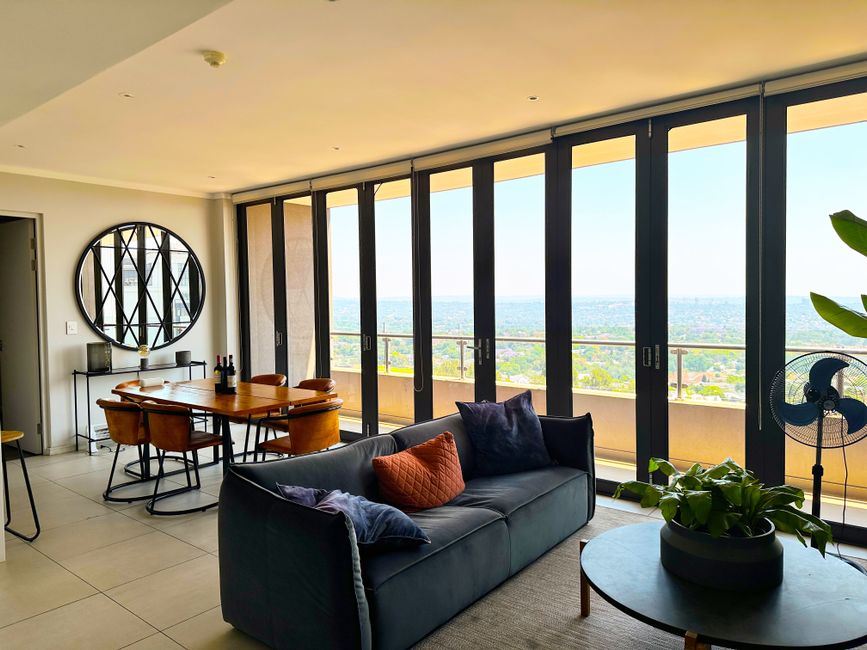
The transformation is most visible along the Ayala Avenue corridor in Makati, where traditional open-air al fresco dining is rapidly losing favor. Establishments like the Antidote bar at I’M Hotel and the rooftop terrace at The Peak in Grand Hyatt Manila have overhauled their service models to accommodate the all-day heat. Managers at these venues reported that demand for indoor-outdoor hybrid spaces with high-grade HEPA filtration and industrial cooling systems has hit capacity for three consecutive weekends. This isn't just about avoiding a sweat; it is a calculated retreat into private, managed environments where the city’s external volatility is kept strictly behind floor-to-ceiling glass.
This transition carries a steep price tag for the average resident. A standard cocktail at a top-tier Makati high-rise now averages 750 PHP, a 15% increase since January, reflecting the rising cost of energy required to sustain these artificial climates. According to data from the Makati Business Club, commercial electricity consumption in the district spiked by 12% in June as properties scrambled to upgrade HVAC units ahead of the mid-year peak. Meanwhile, the street-level economy in older districts like Poblacion is thinning out during daylight hours, with many smaller, non-air-conditioned businesses moving to night-only operations or pivoting to delivery-first models to survive.
A Vertical Future for Manila
Urban planners note that this vertical migration is not merely a seasonal whim but a permanent structural adjustment. As urban heat islands intensify due to the density of concrete in Legazpi Village and Salcedo Village, the "third space" for socialization is moving skyward. Developers are no longer viewing rooftops as optional amenities but as core profit centers, prioritizing glass-encased lounges that can guarantee year-round comfort regardless of external meteorological shifts. The era of the open-air plaza as the primary social hub is effectively concluding, replaced by a gated, vertical ecosystem.
For those planning to venture out, the trend is clear: book your table in advance and stick to the elevators. If you are heading out tonight, expect to pay a cover charge at the major luxury hotels, a practice that has become standard as venues manage the high demand for climate-controlled space. Stick to the premium corridors of Makati or Bonifacio Global City, where the cooling infrastructure is most reliable. Avoid the impulse to walk between venues during the 1:00 PM to 4:00 PM window, as the humidity is consistently breaching the 85% threshold, making even short commutes between buildings increasingly hazardous for those prone to heat exhaustion.
Covering lifestyle in Manila. This article was generated by AI from the linked sources and was not reviewed by a human editor before publishing. See our editorial standards.