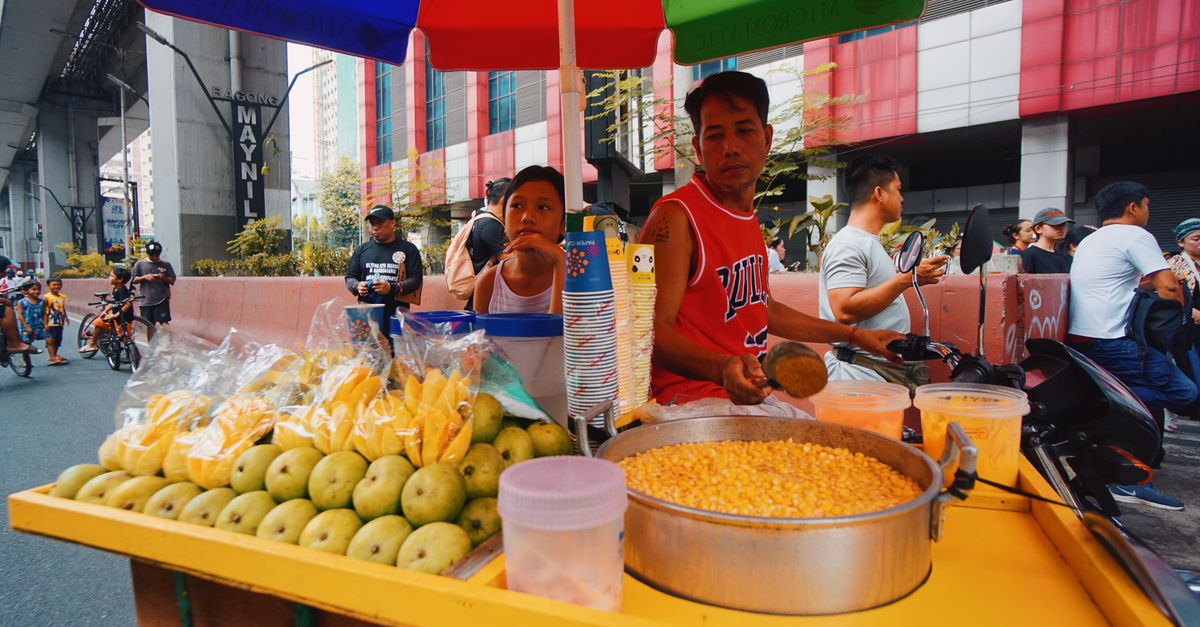
Maria Santos stands at 5 a.m. most mornings behind the counter of her family's taho cart on España Boulevard, ladling warm soy pudding into plastic cups for construction workers and students heading to their shifts. She's been doing this for eight years, ever since the 2018 economic restructuring forced her out of office work. Today, July 2026, her regulars number in the dozens—people who've made her corner of Sampaloc an anchor point in their daily routines. This is Manila's real lifestyle story: not the Instagram glossy version, but the resilience of ordinary people building community, one transaction at a time.
The city's food, drink and shopping ecosystem has undergone subtle but profound shifts over the past two years. As international travel became more unpredictable and remote work normalized for many professionals, Manila residents doubled down on discovering what their own neighbourhoods offered. Rather than flying to Bangkok or Singapore for weekend dining, families and young professionals began exploring Makati's hidden restaurant courtyards, BGC's craft beverage scene, and the vintage shops tucked into Quezon City's older residential areas. The lifestyle conversation in Manila has shifted from acquisition and aspiration toward authenticity and rootedness.
The Reinvention of Intramuros and Beyond
Walk through Intramuros on a Friday evening and you'll see this dynamic playing out in real time. The Espańa Complex, long considered a downtrodden commercial area, has attracted a new generation of small business owners. Independent coffee roasters like those operating from converted shophouses near San Agustin Church are now pulling customers from across the city. One roaster who moved there in early 2025 reports that foot traffic has increased 40 percent since the local government's heritage preservation initiative began offering tax incentives to renovators. The shift isn't accidental—it reflects a deliberate choice by Manila's young professionals to build something local rather than chase international brands.
Down in Malate, a different story unfolds. The district's decades-old restaurant row, running along Remedios Circle and extending toward the Rajah Sulayman monument, has become a proving ground for experimental Filipino cuisine. Chefs trained abroad are returning to work with local suppliers—fishmongers in Tondo, farmers' cooperatives in Cainta—rather than importing ingredients. These aren't luxury restaurants; most mains run between 350 and 550 pesos. What distinguishes them is the labor of relationship-building that goes unseen by customers.
Data Tells the Real Story
The Philippine Statistics Authority reported in March 2026 that foot traffic in Metro Manila's secondary commercial districts—areas outside the dominant BGC-Makati axis—increased by 17 percent compared to the same period in 2024. Shopping behavior has shifted too. Department store visits declined 8 percent, while visits to independent boutiques and specialty retailers climbed. Fewer people are buying what the mall decides to show them; more are seeking out specific makers and sellers with names and stories.
This matters now because global uncertainty is reshaping how people think about spending. The heat waves across Europe and geopolitical tensions worldwide have made the idea of sitting with neighbors in a familiar cafe, or knowing the owner of the shop where you buy your weekly groceries, feel less like nostalgia and more like necessity. Manila's advantage is that this infrastructure—the neighborhood-scale social economy—never fully disappeared. It just needed people willing to pay attention.
If you're visiting or rediscovering the city in July, skip the mall. Head to the Public Market in Cubao where vendors have been selling the same cuts of meat and produce for generations, or find a small eatery on Elcano Street in Makati where the owner actually cooks lunch at noon. These aren't tourist attractions. They're the places where Manila actually happens, where people earn their livelihoods and build the social fabric. That's the real Manila lifestyle worth experiencing.