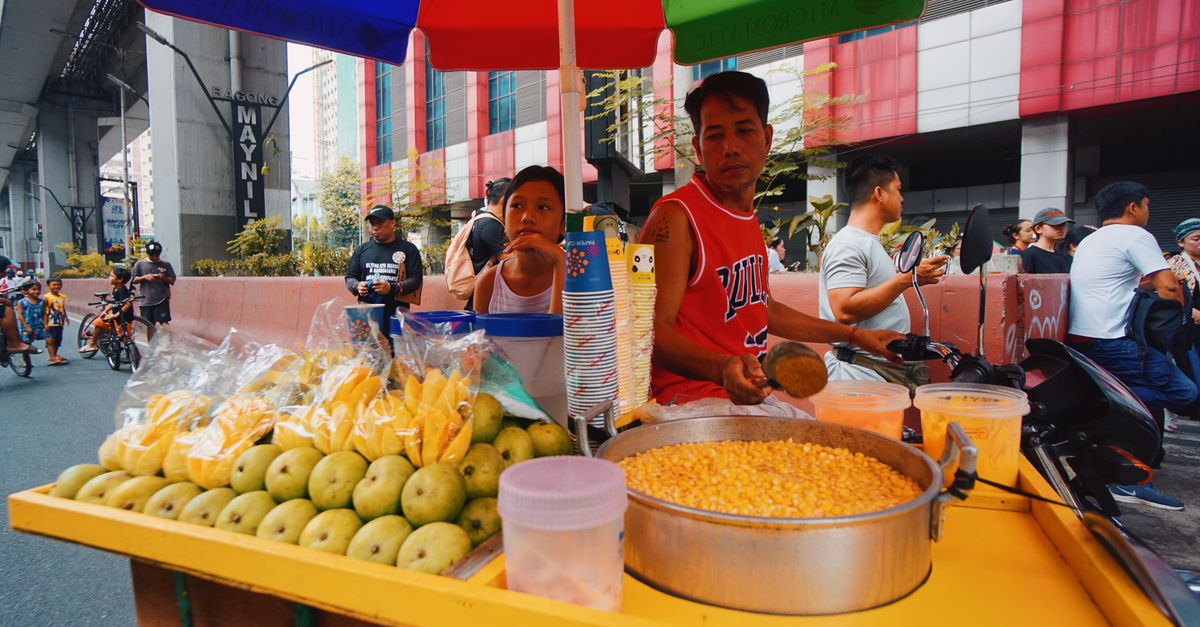
The thermometer in Makati hit 37 degrees Celsius on June 28, and Maria Santos did what thousands of other Manileños now do during peak afternoon heat: she skipped the mall and headed to Magsaysay Park in Cubao for an early dinner instead. The shift is not coincidental. As Europe battles record heatwaves and weather patterns destabilize across the region, Manila's lifestyle landscape has undergone a quiet but deliberate transformation. Air-conditioned shopping districts remain popular, but locals are reshaping when and where they eat, drink, and spend their money—and businesses are chasing them.
The change reflects a broader regional anxiety about extreme temperatures. When France recorded 2,025 excess deaths during its recent heatwave peak, news rippled across Southeast Asia, reminding Filipinos that Manila's tropical climate was becoming genuinely hazardous. Restaurants responded by reimagining their menus and operating hours. Cafe-culture thrived in early mornings and evenings. Cold, light meals displaced heavy midday eating. The shift has been so pronounced that the Philippine Restaurant Association reported a 12 percent increase in dinner reservations after 7 p.m. across Metro Manila in the first half of 2026, compared to the same period last year.
Where Manila Eats Now
Serendra in BGC has seen foot traffic surge after sunset, with three new cold-cuisine restaurants opening along the complex's central promenade since April. One, a Vietnamese pho-and-banh-mi spot called North, has capped its lunch service at 2 p.m. and reopened for dinner at 6:30 p.m., pulling crowds who previously avoided the district during afternoon hours. Meanwhile, the Saturday organic markets at the ruins of Intramuros—running from 5 a.m. to 8 a.m.—now draw double the vendors they did two years ago. Market manager Ramon Villanueva said the early-morning timing appealed to heat-conscious shoppers buying fresh produce without the midday sweat. Prices have remained steady: tomatoes at 45 pesos per kilo, leafy greens at 60 pesos.
Shopping patterns have shifted too. The Mall of Asia's traditional peak shopping hours, previously centered on 11 a.m. to 2 p.m., have compressed into a much tighter 10 a.m. to noon window. Store owners reported that younger shoppers—aged 18 to 35—now prefer online ordering with same-day or next-day pickup, avoiding foot traffic entirely. Lazada and Shopee reported a combined 18 percent increase in fashion and home goods orders from Metro Manila in June 2026, according to a quarterly e-commerce report released by the Philippine Digital Trade Association on June 21.
The Drink Culture Pivot
Cold beverages have become social anchors rather than sideline purchases. Specialty coffee chains like Bluprint Coffee in Quezon City have installed outdoor chilled-tea bars and cold-brew stations that function as gathering spaces in the early morning and after 6 p.m., moving away from the traditional sit-inside cafe model. Craft beer lounges have proliferated in Poblacion, with three new venues opening since March, each serving lighter lagers and wheat beers rather than the heavier stouts of previous years. One owner, speaking on background, described the shift as survival: customers were simply avoiding peak-heat hours, so businesses had to follow them.
For now, Manila's lifestyle scene remains dynamic and resilient, with locals adapting faster than infrastructure often allows. Early mornings at markets, dinners after seven, cold-drink culture at dawn—these are no longer preferences but the rhythm of metropolitan life. The question isn't whether the heat will ease. It won't. The question is how quickly businesses can build the infrastructure—better outdoor seating, misting systems, earlier breakfast service—to serve people where they want to be, when the sun isn't at its worst.