Manila's real estate market has shifted dramatically over the past three years, with young professionals increasingly moving away from the uniformity of business districts toward neighbourhoods with actual character. Walking through Poblacion on a Thursday evening tells you everything about how the city's geography now reflects deeper social and cultural changes.
This matters now because Manila faces a critical inflection point. The Philippine Statistics Authority reported in 2025 that metro Manila's population density stands at 46,000 people per square kilometre, the highest in Southeast Asia. That pressure is forcing residents and investors alike to rethink which neighbourhoods offer liveable, walkable communities rather than just proximity to office towers. The old model—live where you work—no longer holds.
Poblacion, centred on Makati Avenue between Valdez Street and Samat Street, has transformed itself from a semi-forgotten commercial zone into Manila's closest approximation of a genuine urban village. The neighbourhood's character comes from its mix: heritage buildings housing craft breweries like Craftworks Manila sit alongside vintage record shops, second-hand bookstores, and restaurants run by people who actually live in the area. The Makati Business Club remains corporate, but the surrounding blocks have attracted artists, musicians, and young entrepreneurs who've chosen density over sprawl.
Walk ten minutes and you encounter an entirely different Manila. BGC—Bonifacio Global City—operates on a different rhythm altogether. The grid of commercial avenues radiating from High Street and Market! Market! creates an almost sterile efficiency. Average condominium rents in BGC reached ₱65,000 monthly for a two-bedroom unit in Q2 2026, nearly double the ₱32,000 average in Poblacion. But what BGC gains in modern infrastructure and safety features it loses in spontaneous street life. The neighbourhood's vibe is intentional, managed, corporate—which suits some residents perfectly and drives others away.
Where Real Community Still Breathes
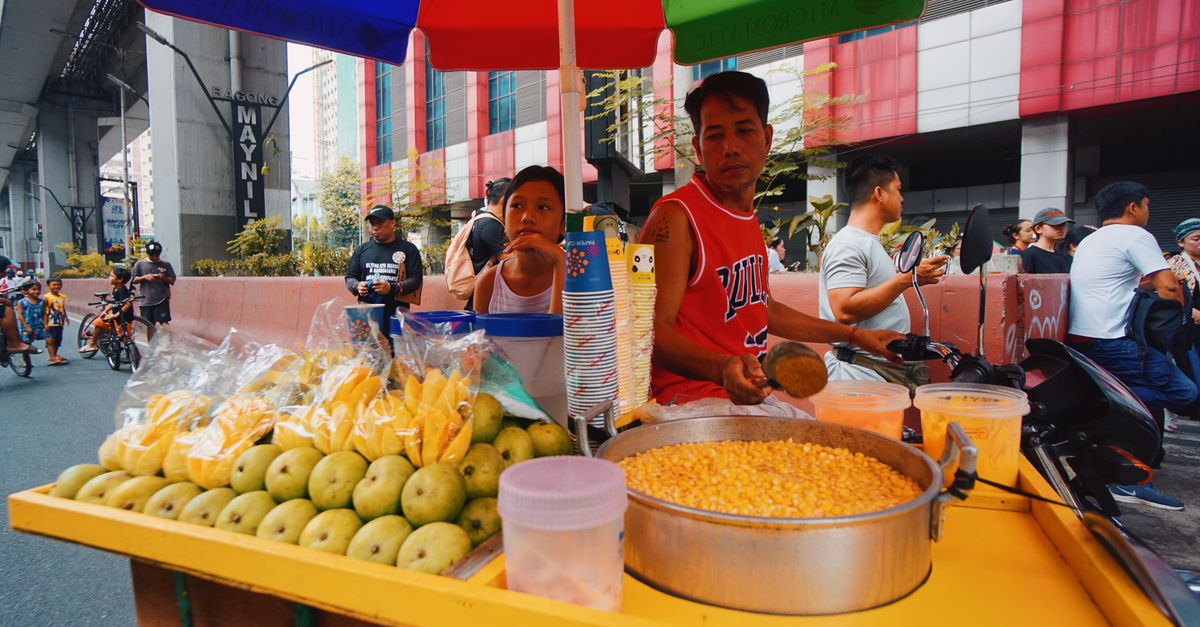
San Juan, wedged between Mandaluyong and Quezon City, represents a different Manila altogether. Dominated by working-class families and small businesses along its main commercial strips like J.P. Rizal Street and Mapagtiwalaan Road, the neighbourhood pulses with the energy of actual daily life. Sari-sari stores, public markets, Catholic schools, and family-run restaurants define the spatial experience. The Metropolitan Museum of the Philippines located on JP Rizal Street provides one of the few cultural anchors, yet the neighbourhood retains its fundamentally residential character. Rent here averages ₱18,000 for equivalent space—a figure that reflects both affordability and the absence of the lifestyle branding that characterises wealthier zones.
Quezon City's Timog Avenue neighbourhood offers another distinct vibe: university-adjacent, bohemian, filled with students from Ateneo de Manila University and De La Salle University who spill into vintage cafes, independent bookshops, and late-night carinderia joints. The Maginhawa Street corridor, running parallel to Timog, has become particularly magnetic for twenty-somethings priced out of BGC but seeking walkable street culture. Community organisations like Timog Avenue Association periodically organize heritage walks and street festivals that actually engage residents rather than serve as marketing exercises.
What's Driving the Shift
Data from the Metro Manila Development Authority shows that foot traffic in heritage-neighbourhood zones increased 28% year-over-year through 2025. This correlates directly with post-pandemic reassessment: remote work created flexibility, and younger professionals increasingly prioritised walkability, local food scenes, and genuine community presence over glossy addresses.
For anyone considering a move within Manila, the basic calculus has changed. If you work from home or have flexible scheduling, prioritising neighbourhood character becomes rational rather than merely aesthetic. Spend an evening in each zone. Walk the streets at different hours. Talk to people at the coffee shops. The neighbourhood reveals itself quickly to anyone paying attention—and that's precisely what distinguishes Manila's best communities from its merely convenient ones.