Manila is a city of contrasts that rarely fails to surprise. The most essential starting point for any visitor is Intramuros, the fortified colonial city built by Spanish conquistadors in the sixteenth century. Its thick stone walls, cobblestone lanes, and the imposing Fort Santiago, where national hero Jose Rizal was imprisoned before his execution, form a living history lesson at the heart of the modern metropolis. Horse-drawn kalesa carriages still clip along the narrow streets, offering a nostalgic way to take in the baroque churches and restored colonial mansions that survived World War Two.
A short drive south brings you to Bonifacio Global City, or BGC, one of Southeast Asia's most carefully planned urban precincts. Its wide pedestrianised boulevards are lined with public art installations, boutique restaurants, and rooftop bars with sweeping views of Manila Bay. The Ayala Museum in nearby Makati houses an outstanding collection of gold artefacts and dioramas tracing Philippine history, while the Cultural Center of the Philippines on the Manila Bay reclamation area stages world-class theatre and dance productions throughout the year.
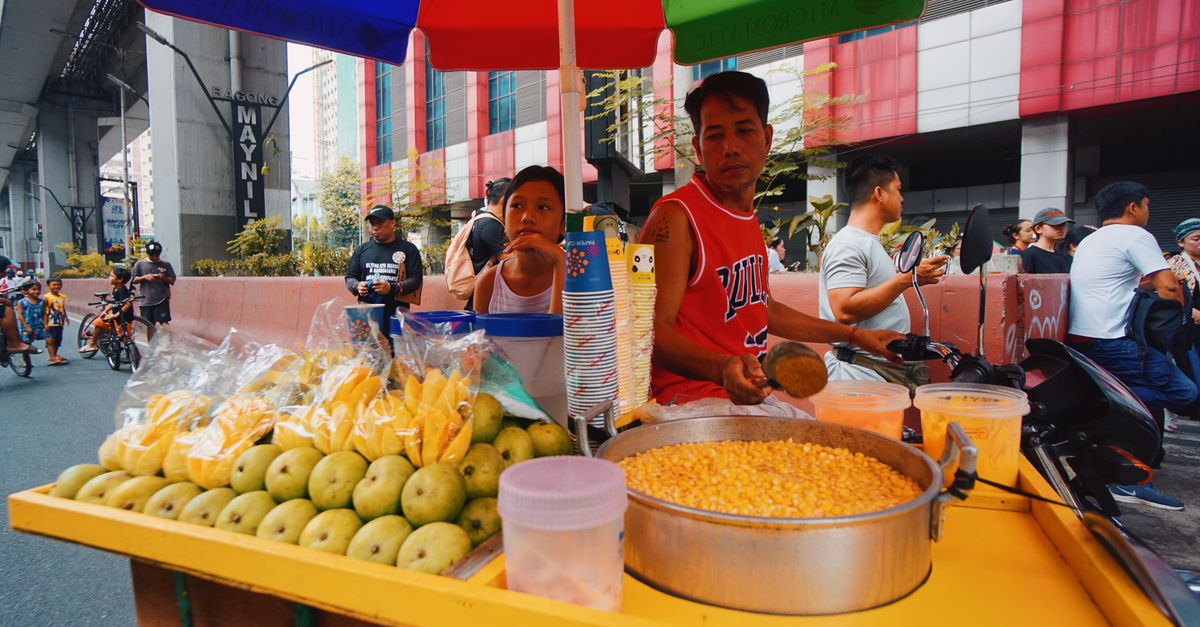
No visit to Manila is complete without experiencing the city's extraordinary food culture. The night markets along Pasay and the hawker lanes of Quiapo serve sisig (sizzling chopped pork face), halo-halo (crushed ice with tropical fruits and leche flan), and skewered barbecue at prices that make the city one of the most affordable food destinations in Asia. For a quieter escape, the American-era architecture of Paco Park and the tranquil San Agustin Church, a UNESCO World Heritage site and the oldest stone church in the Philippines, offer moments of unexpected serenity amid the city's organised chaos.